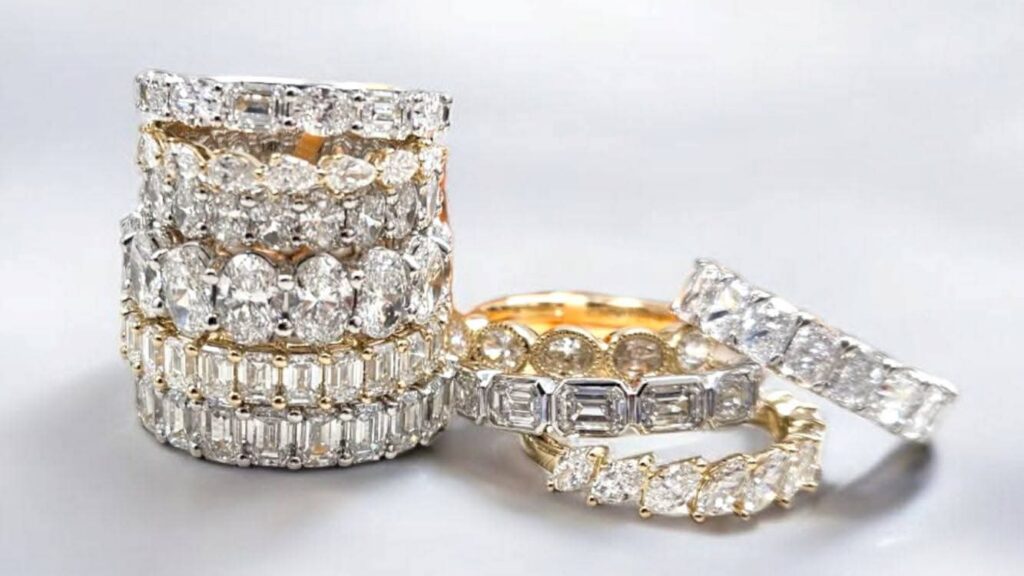
Diamonds have long symbolized love, commitment, and life’s most meaningful milestones. Yet despite their popularity, there are still plenty of misconceptions surrounding these remarkable gemstones. From outdated buying advice to common misconceptions spread online, many shoppers walk into a jewelry store believing things that simply aren’t true.
Before making one of life’s most meaningful purchases, it’s worth separating fact from fiction. Here are four of the biggest diamond myths—and the truth behind them.
Myth #1: Bigger Is Always Better
When most people think about diamonds, the first question that comes to mind is often, “How many carats is it?”
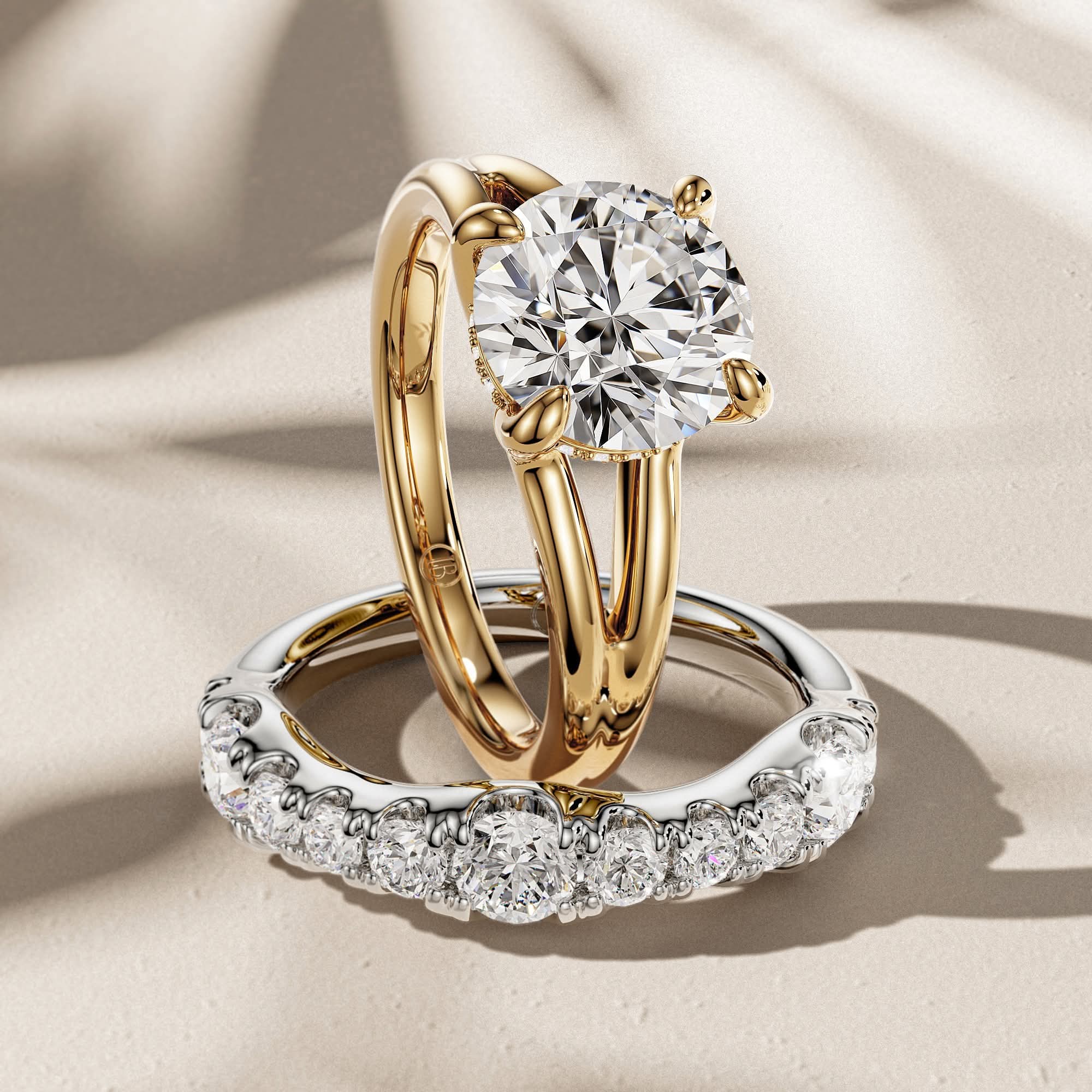
While carat weight certainly plays a role in a diamond’s appearance, it isn’t the only factor—or even the most important one. A beautifully cut one-carat diamond can appear more brilliant and eye-catching than a larger diamond with a poor cut.
Submitted photo
The way a diamond interacts with light determines much of its beauty. A well-cut stone reflects light evenly, creating the sparkle, fire, and brilliance that catch your eye from across the room.
Instead of focusing solely on size, consider the overall balance of the diamond. Often, choosing exceptional craftsmanship over additional carat weight creates a piece that is even more stunning.
Myth #2: The Highest Grade Is Always the Best Choice
Many buyers assume they need the highest grades in every category—color, clarity, cut, and carat—to purchase a “good” diamond.
In reality, many of the differences between grading levels are nearly impossible to see without specialized equipment.
For example, a diamond with slight inclusions may appear completely flawless to the naked eye while offering significantly greater value than a flawless stone. Likewise, subtle differences in color are often undetectable once the diamond is set into jewelry.
The goal isn’t to chase the highest grades on paper. It’s to find the combination of characteristics that delivers exceptional beauty while staying within your budget.
Myth #3: Lab-Grown Diamonds Are Fake
One of today’s most common misconceptions is that lab-grown diamonds are imitation stones.
They’re not.
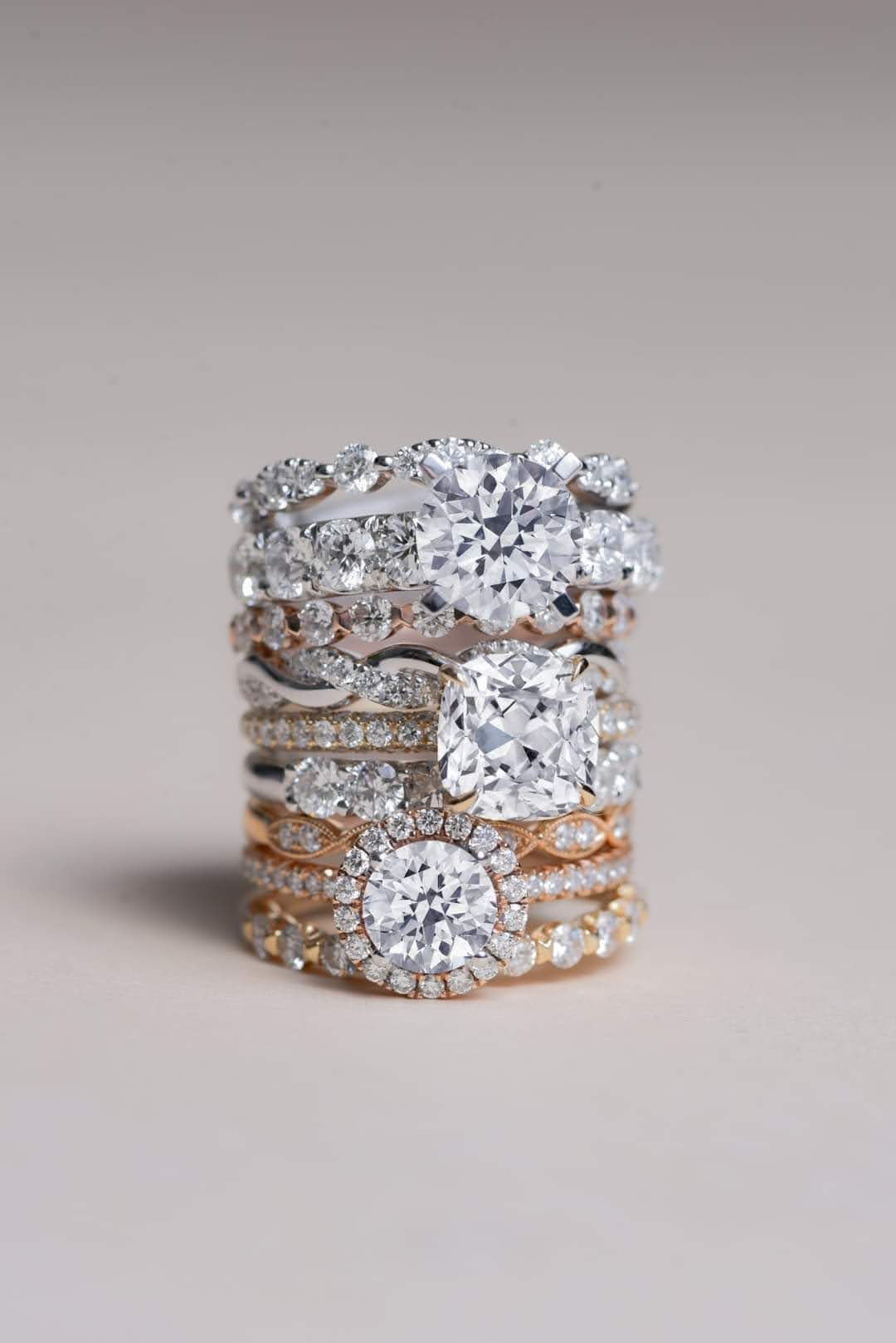
Lab-grown diamonds are real diamonds. They have the same chemical composition, crystal structure, and physical properties as natural diamonds. The primary difference is how they’re formed. Natural diamonds develop deep within the Earth over billions of years, while lab-grown diamonds are created using advanced technology that replicates those natural conditions.
Submitted photo
Neither option is universally “better.” Some buyers appreciate the rarity and history of natural diamonds, while others prefer the value and characteristics of lab-grown stones. The best choice depends on your personal preferences, priorities, and budget.
Myth #4: You Have to Spend a Fortune
Perhaps the biggest myth of all is that purchasing a beautiful diamond requires an enormous budget.
The truth is, there are stunning options available at a wide range of price points. By understanding how the Four Cs work together—and by working with a knowledgeable jeweler—you can often find a diamond that looks incredible without paying for characteristics that may never be noticed.
The most meaningful piece of jewelry isn’t defined by its price tag. It’s defined by the memories it represents.
The Bottom Line
Buying a diamond shouldn’t feel overwhelming. With a little knowledge and guidance from Adler’s Diamonds, finding the right stone can be an enjoyable and rewarding experience.
At the end of the day, the perfect diamond isn’t necessarily the biggest, the rarest, or the most expensive. It’s the one that reflects your story, fits your lifestyle, and marks a moment you’ll remember for years to come.
Because while diamonds may sparkle, it’s the memories attached to them that truly shine.
Any content, resident submissions, guest columns, advertisements, and advertorials are not necessarily endorsed by or represent the views of Best Version Media LLC (BVM) or any municipality, homeowners associations, businesses, or organizations that this publication serves. BVM is not responsible for the reliability, suitability, or timeliness of any content submitted, inclusive of materials generated or composed through artificial intelligence (AI). All content submitted is done so at the sole discretion of the submitting party.