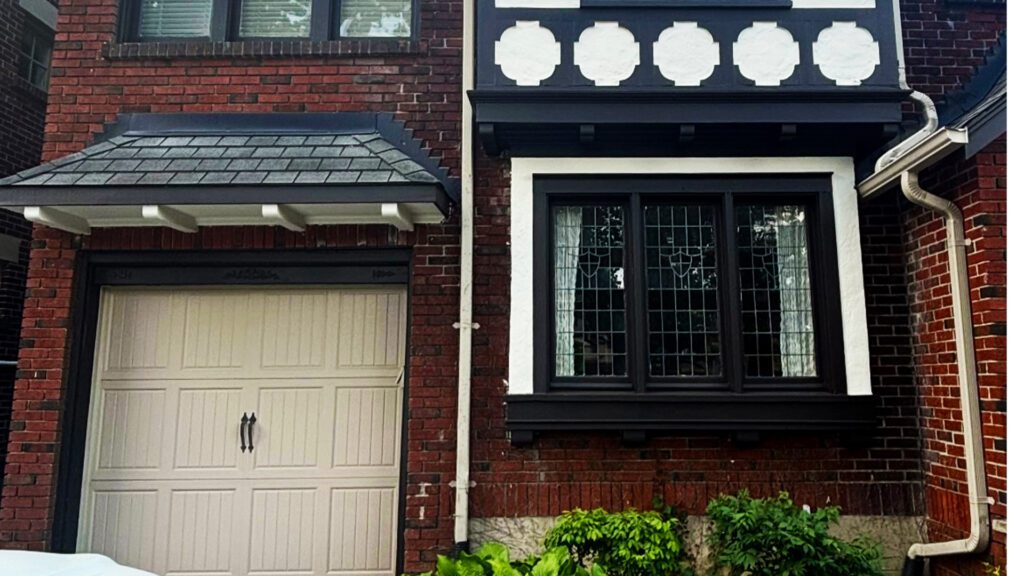

As the heat of summer begins to fade, many property owners shift their focus indoors to prepare for the colder months, leaving the building exterior to bear the brunt of the freezing weather. While a property may appear to be in excellent shape on the surface, autumn is the ideal window to address minor, overlooked wear and tear before the harsh winter. These transitional months represent a valuable opportunity to fortify a building. In Canada, where winter conditions are notoriously unforgiving, a late-summer maintenance routine is not just a seasonal chore but a critical protective measure for your real estate asset.
Over the past few months, properties have accumulated a unique layer of summer debris, especially with the heavy wildfire smoke, introducing a variety of airborne particulates. These pollutants, alongside standard construction dust and pollen, settle into any compromised areas of the building envelope. For properties that already have unaddressed gaps and cracks, or that experienced subtle leaks during the previous winter, allowing this grime to sit through autumn creates a persistent moisture trap. When the freeze-thaw cycles arrive, trapped moisture inside these existing fissures can quietly exacerbate the degradation over time, turning what was a minor vulnerability into a more complex repair down the road.
Beyond acting as a shield, a thorough late-summer cleaning serves as an essential diagnostic tool for your property’s winter readiness. By clearing away the summer’s grit, a professional eye can easily spot the vulnerabilities exposed by months of intense sunlight and heat. Common warning signs include brittle or shrinking caulking, hairline cracks in stucco, fading protective coatings, and wood trim that has begun to crack or warp. Identifying these minor deficiencies in mild weather allows for simple, proactive repairs rather than discovering a major failure in the middle of January.
Winterization should begin with a targeted power wash to strip away baked-on debris and reveal the true condition of the substrate. Once dry, prioritize sealing any cracks or gaps in the building envelope. Failing paint, fasteners, or caulking are among the most common issues. Any failing paint should be touched up before winter to prevent further deterioration of the substrate. This is especially important for wood (which can rot) and metal (which can rust). Trim pieces should be securely fastened, with no gaps, cracks, or missing or loose screws. Finally, all gaps and cracks should be filled with high-grade, flexible sealant. Using premium materials specifically formulated to withstand the Canadian climate ensures your property remains protected from heavy rain and snow, pests, and the freeze-thaw cycle.
Ultimately, late-summer exterior maintenance is a proactive investment that safeguards against winter’s destructiveness. Taking the time to wash, inspect, and seal your building now eliminates the risk of water infiltration and rot later. By addressing these minor vulnerabilities today, property owners can rest assured that their building will remain a safe, resilient, and highly valuable asset throughout the coldest months of the year.
Any content, resident submissions, guest columns, advertisements, and advertorials are not necessarily endorsed by or represent the views of Best Version Media LLC (BVM) or any municipality, homeowners associations, businesses, or organizations that this publication serves. BVM is not responsible for the reliability, suitability, or timeliness of any content submitted, inclusive of materials generated or composed through artificial intelligence (AI). All content submitted is done so at the sole discretion of the submitting party.