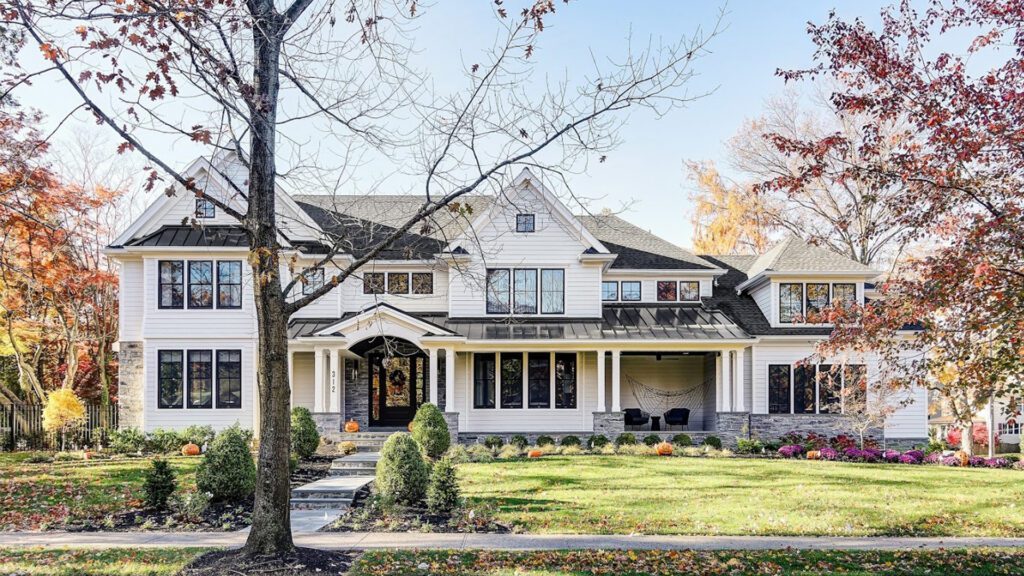
Drive through almost any newer neighborhood today, and you are likely to see some version of what has become known as the modern farmhouse: white siding, black windows, simple rooflines, and contrasting dark accents. The look has become incredibly popular over the past decade, and many homeowners and builders continue to request it.
But is farmhouse style always the right choice?
The farmhouse itself certainly is not new to American architecture. Traditional farmhouses were practical homes designed around the needs of the families who lived and worked on the land. Their forms, materials and layouts developed naturally based on climate, available resources and function. What we now call the “modern farmhouse” takes inspiration from some of those traditional elements but combines them with a much more contemporary aesthetic.
Popularized in recent years through home design television, social media and designers such as Joanna Gaines, the style quickly became recognizable. For many homeowners, that familiarity is part of its appeal. It feels clean, comfortable and approachable while still looking modern.
As an architect, however, I encourage homeowners to look beyond a trend and think about the architecture itself.
Simply making a house white and adding black windows does not make it a farmhouse. Authentic architectural style comes from proportion, scale, rooflines, materials, window placement, and detailing. All of those elements need to work together. Color should complement the architecture rather than define it.
Considering the Neighborhood
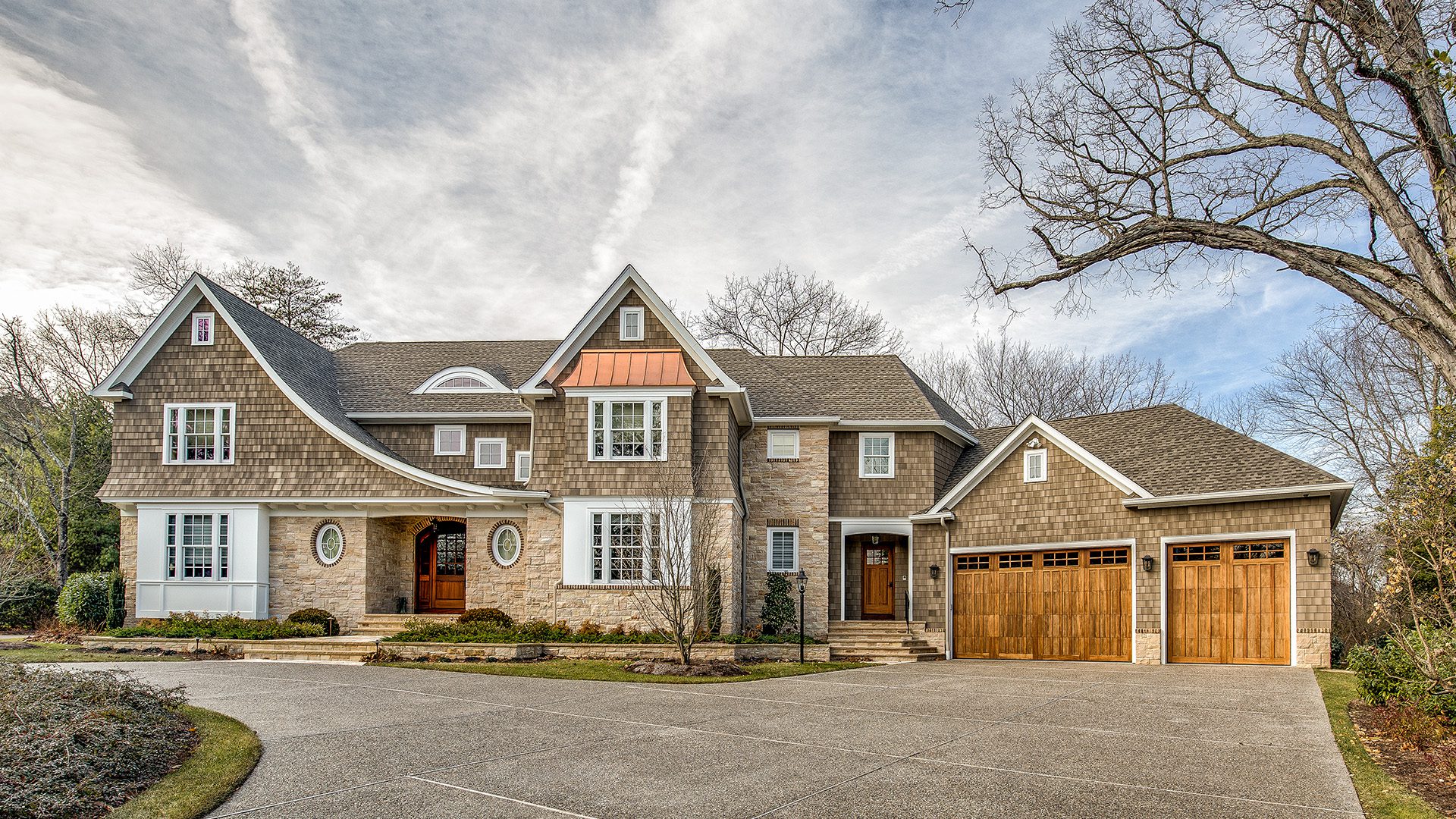
This becomes especially important in established communities like Haddonfield, where homes represent a wide variety of architectural periods and styles. A design that looks great on an open piece of property or in a new development may feel very different when placed between historic Colonial, Victorian, Tudor, or Craftsman homes.
That does not mean a newer home needs to imitate its neighbors. I am a strong advocate for unique architecture. New construction and renovations can have their own identity while still respecting the scale, character, and rhythm of the surrounding streetscape.
Before choosing farmhouse or any other architectural style, consider the context. What makes the neighborhood distinctive? How does the house relate to the surrounding properties? Will the design still feel appropriate years from now?
Trend Versus Timeless Design
Homeowners should also remember that architectural preferences change. The white exterior and black window combination is extremely recognizable right now, but highly recognizable trends can also become associated with a particular era.
We have seen this happen many times before. Think about the avocado green and harvest gold appliances that were everywhere in the 1970s. At the time, those colors felt fresh, stylish, and current. A few decades later, many homeowners could not wait to replace them. The same can be said for other once-popular design choices, from wall-to-wall carpeting in bathrooms to heavy Tuscan-inspired interiors. What feels timeless in the moment can sometimes turn out to be very much a product of its time.
That does not mean homeowners should avoid something they genuinely love because it happens to be popular. If farmhouse architecture fits the property, the neighborhood and the homeowner’s personal taste, it can be a beautiful choice. But when making a major investment in a home, it is worth considering longevity and potential resale value, as well as current preferences.
Ultimately, the question should not simply be, “Is farmhouse style in?” It should be, “Is farmhouse style right for this house?”
Good architecture is about more than following or avoiding trends. It is about creating a home that responds to its setting, functions well for the people who live there, and has enough character and thoughtful design to remain appealing long after today’s trends have changed.
Any content, resident submissions, guest columns, advertisements, and advertorials are not necessarily endorsed by or represent the views of Best Version Media LLC (BVM) or any municipality, homeowners associations, businesses, or organizations that this publication serves. BVM is not responsible for the reliability, suitability, or timeliness of any content submitted, inclusive of materials generated or composed through artificial intelligence (AI). All content submitted is done so at the sole discretion of the submitting party.