Ann sat at the edge of her seat in the exam room, twisting the strap of her purse around her fingers. Less than a month ago, she had come in for her annual mammogram, the same routine test she had been getting every year since turning 40. However, this time, they had found something—a one centimeter irregularity. This led to a second mammogram and breast biopsy which unfortunately returned positive for breast cancer. Two mammograms and one biopsy later, she finds herself sitting in the office, waiting to meet a surgeon.
I see women like Ann often as part of my clinical practice. Some are visibly scared. Others are quiet and want to focus on the next steps. Almost all of them ask me the same first question: “Is this treatable?”
Here is what I tell every one of them, and I also want every reader to know: breast cancer is common, but it is also, more often than not, survivable, especially when caught early. Surgical management is the primary treatment for most early-stage breast cancers. Radiation, antihormonal therapy and less commonly chemotherapy may follow. Chances are you already know someone who has walked this road, whether a mother, sister, coworker or friend.
Why screening matters
Breast cancer death rates have dropped significantly since the late 1980s, largely because of one thing: earlier detection through screening mammography. When breast cancer is caught in its earliest, localized stage, more than 99% of women are still alive five years later.
That is the heart of it. Early detection does not just save lives; it often means a smaller surgery, a shorter recovery and a much lower chance of needing chemotherapy, although radiation therapy and antihormonal therapy are commonly used after surgery to reduce the risk of recurrent cancer.
It is recommended that women aged 40–74 get a screening mammogram every year or every other year. It is a quick appointment that can make an enormous difference.
Understanding cancer stages
When cancer is found, doctors describe it in stages. Stages describe how far the cancer has grown and whether it has spread beyond the breast, and they help guide which treatments make sense.
- Stage 0: noninvasive; cancer has not spread
- Stage 1: small; confined to breast tissue or nearby lymph nodes
- Stage 2: somewhat larger, in the breast, nearby lymph nodes or both
- Stage 3: larger or more widely spread to nearby lymph nodes, skin or chest wall
- Stage 4: cancer has spread to other parts of the body
How it’s treated
Treatment usually starts with surgery to remove the tumor.
Lumpectomy removes the tumor along with a small amount of healthy tissue, preserving the rest of the breast.
Mastectomy removes the entire breast and is typically recommended for larger tumors, multiple areas of cancer or an increased genetic risk.
Sentinel lymph node biopsy removes a small number of lymph nodes under the arm to check whether the cancer has spread and to help plan further treatment.
Surgery may be followed by additional therapy: radiation to reduce the chance of the cancer returning, chemotherapy before or after surgery depending on the tumor’s size, antihormonal therapy for hormone-sensitive cancers or targeted therapy in certain cases. A medical oncologist, surgeon and radiation oncologist typically work together to decide what combination makes sense for each patient. So many factors, including hormonal exposure, menopause, pregnancy history, age and personal preference, shape that plan, which is why it’s so important to talk it through with your care team.
You are not alone
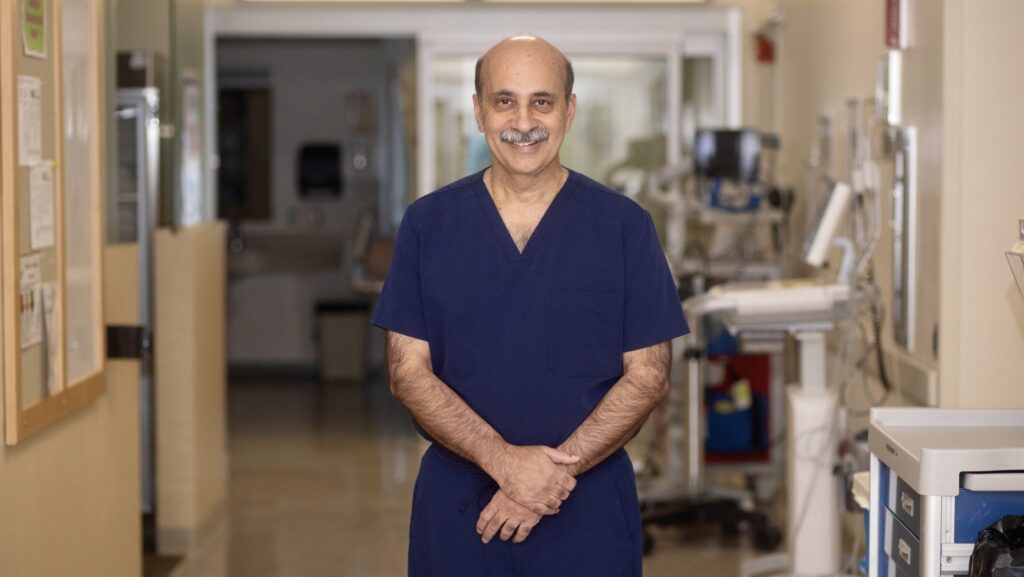
If you or someone you love is facing breast cancer, please know you are not walking this path by yourself. As a surgeon, I have the privilege of caring for and staying alongside patients through some of the hardest moments of their lives. I am continually inspired by their strength.
There is no one-size-fits-all path through breast cancer. You deserve care that is thoughtful, compassionate and built around you.
If you have questions, I am here for you, ready to help you navigate the road ahead with empathy and hope.
Call 360.293.5142 to schedule an appointment.
Any content, resident submissions, guest columns, advertisements, and advertorials are not necessarily endorsed by or represent the views of Best Version Media LLC (BVM) or any municipality, homeowners associations, businesses, or organizations that this publication serves. BVM is not responsible for the reliability, suitability, or timeliness of any content submitted, inclusive of materials generated or composed through artificial intelligence (AI). All content submitted is done so at the sole discretion of the submitting party.