When most people think about their health, they consider their heart, blood pressure, or blood sugar levels. However, one critical area is often overlooked: your gums. Periodontal, or gum disease, is not just a dental issue. It is a chronic inflammatory condition that can significantly impact your overall health.
What makes periodontal disease especially concerning is how common and silent it can be.
According to the Centers for Disease Control and Prevention (CDC), nearly 42% of adults aged 30 and older in the United States have some form of periodontal disease. That number increases significantly with age. In fact, studies show that a large majority of adults over 55 are affected, many without even realizing it.
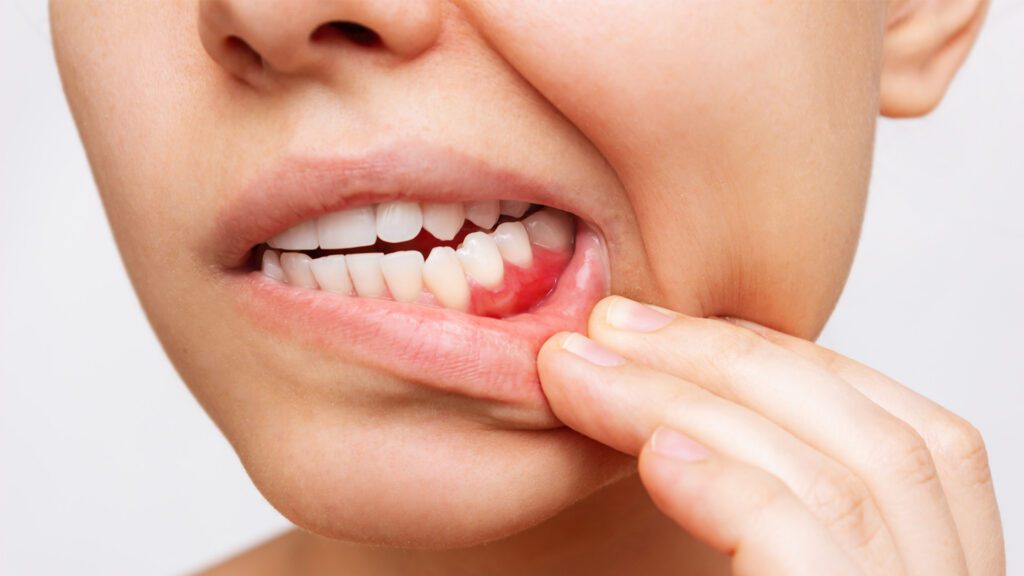
Many patients are surprised to learn they have gum disease because it often develops without pain. Early stages, known as gingivitis, may present with mild symptoms like redness, swelling, or bleeding when brushing. As it progresses to periodontitis, the infection can damage the bone that supports your teeth, eventually leading to tooth loss if left untreated.
However, the effects do not stop there.
Research continues to show a strong connection between periodontal disease and overall health. Chronic inflammation in the gums has been linked to systemic conditions such as heart disease, diabetes, and respiratory concerns. Bacteria from the mouth can enter the bloodstream and contribute to issues elsewhere in the body.
For individuals with diabetes, the relationship is especially important. Gum disease can make it more difficult to control blood sugar levels, while elevated blood sugar can increase the risk and severity of periodontal disease. This creates a cycle that can be difficult to manage without proper care.
So why do so many people have periodontal disease without realizing it?
One reason is that symptoms can be subtle or easily ignored. Another is that many people do not maintain regular dental visits, where early signs can be detected and treated. Routine dental checkups are key to identifying gum disease before it becomes more serious.
Several risk factors increase the likelihood of developing periodontal disease, including smoking, poor oral hygiene, certain medications, and chronic conditions such as diabetes. Genetics can also play a role, meaning some individuals may be more susceptible even with good home care.
The good news is that periodontal disease is largely preventable and manageable when caught early.
Daily brushing and flossing are essential for removing plaque, the sticky film of bacteria that leads to gum inflammation. Professional cleanings and regular dental exams allow your dental team to monitor your gum health and address any concerns early on. In cases where disease is present, treatments such as deep cleanings (also known as scaling and root planing) can help control the infection and prevent further damage.
At Hooie Dental, we believe that education is one of the most powerful tools in preventing disease. Understanding the connection between your oral health and your overall well-being empowers you to take proactive steps toward a healthier life.
If it has been a while since your last dental visit, or if you have noticed symptoms like bleeding gums or persistent bad breath, now is the time to take action. Your gums may be telling you more about your health than you realize.
Because when it comes to periodontal disease, what you do not know can hurt you, but what you do know can help protect both your smile and your health.
Any content, resident submissions, guest columns, advertisements, and advertorials are not necessarily endorsed by or represent the views of Best Version Media LLC (BVM) or any municipality, homeowners associations, businesses, or organizations that this publication serves. BVM is not responsible for the reliability, suitability, or timeliness of any content submitted, inclusive of materials generated or composed through artificial intelligence (AI). All content submitted is done so at the sole discretion of the submitting party.