What regenerative laser science is teaching us about healthier skin—and why it matters.
The tan fades. The DNA damage does not.
But research suggests certain fractional lasers may help aging skin repair more than just its appearance.
Colorado gives us plenty of reasons to be outside—and our skin a long memory. Years of sun exposure can later appear as brown spots, rough texture and fine lines.
Those changes are not just cosmetic. They can signal that ultraviolet light has altered cells beneath the surface.
Laser resurfacing has long been used to soften pigment, smooth texture and stimulate collagen. Now researchers are asking: Could treatments that improve sun-damaged skin also reduce the risk of certain common cancers? Early research is promising.
Sun damage is more than a brown spot
UV light can injure DNA inside skin cells. Healthy skin has safeguards that help damaged cells repair themselves or stop dividing. With age and repeated sun exposure, those safeguards become less dependable.
Sun-exposed skin may contain altered cells—a phenomenon called “field damage.” Some rough, scaly patches are actinic keratoses, or AKs, which can progress to squamous cell carcinoma.
How fractional lasers wake up repair
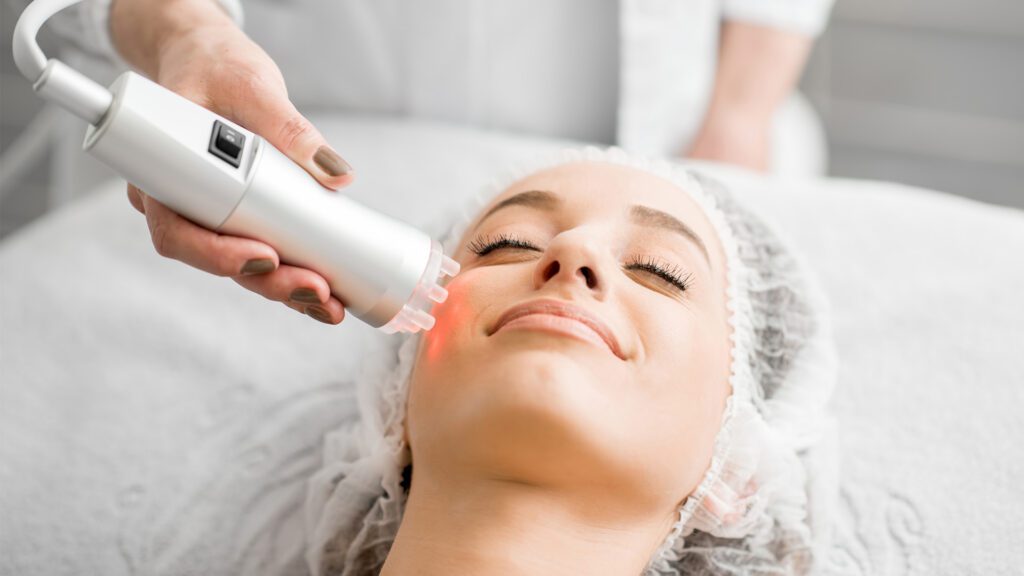
Fractional resurfacing lasers treat skin in tiny columns while leaving healthy skin between them. Think of it like aerating a lawn instead of digging up the entire yard.
These lasers create a controlled wound-healing response that clears damaged cells, encourages fresh cell turnover and rebuilds collagen and elastin. Research suggests they may also support healthier cellular signaling as skin ages.
What the studies found
In a randomized trial of adults over 60 with significant sun damage, laser-treated forearms developed fewer actinic keratoses and substantially fewer non-melanoma skin cancers than arms that were not treated with a laser.
A 2025 scientific review found fractional infrared lasers promising while emphasizing the need for larger trials.
Promising does not mean proven
Laser resurfacing is not a substitute for skin-cancer screening, and research does not show that it prevents melanoma or erases a lifetime of UV exposure. Daily sunscreen, protective clothing, self-checks and professional skin exams remain essential.
Any spot that is new, changing, bleeding, crusting, tender or simply looks different should be evaluated before cosmetic treatment. Diagnosis comes first.
Regeneration, with medical judgment
At Rocky Mountain Beauty Bar, skin treatment should do more than chase a wrinkle. A physician-led plan considers health history, medications, skin type, prior skin cancers, sun damage and healing. Treatment may include fractional resurfacing, medical-grade skin care, prevention—or a dermatology referral first.
We are entering an exciting era of regenerative aesthetics: looking better may be a welcome side effect of helping skin function better. No one should promise that a laser will prevent cancer. But these treatments may be more than purely cosmetic.
Your Beauty. Our Science.
Author bio
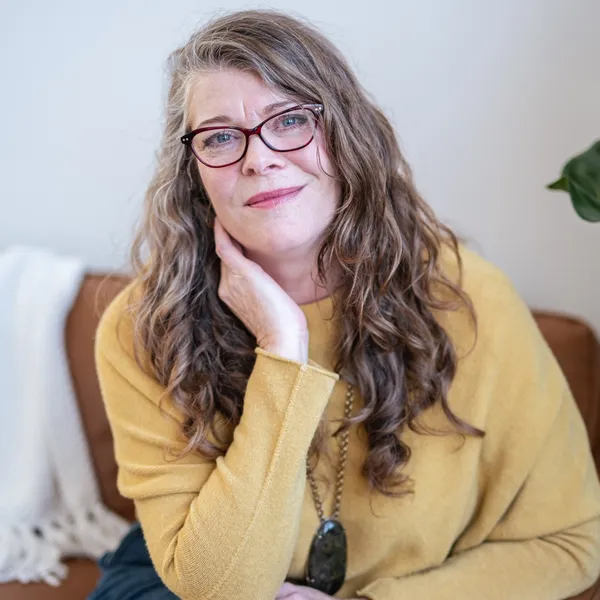
Kellie Stivers, MD, is a board-certified anesthesiologist, aesthetic physician and Medical Director of Rocky Mountain Beauty Bar in Longmont and The Confidence Room in Lafayette, with a focus on natural results and physician-led safety.
Any content, resident submissions, guest columns, advertisements, and advertorials are not necessarily endorsed by or represent the views of Best Version Media LLC (BVM) or any municipality, homeowners associations, businesses, or organizations that this publication serves. BVM is not responsible for the reliability, suitability, or timeliness of any content submitted, inclusive of materials generated or composed through artificial intelligence (AI). All content submitted is done so at the sole discretion of the submitting party.