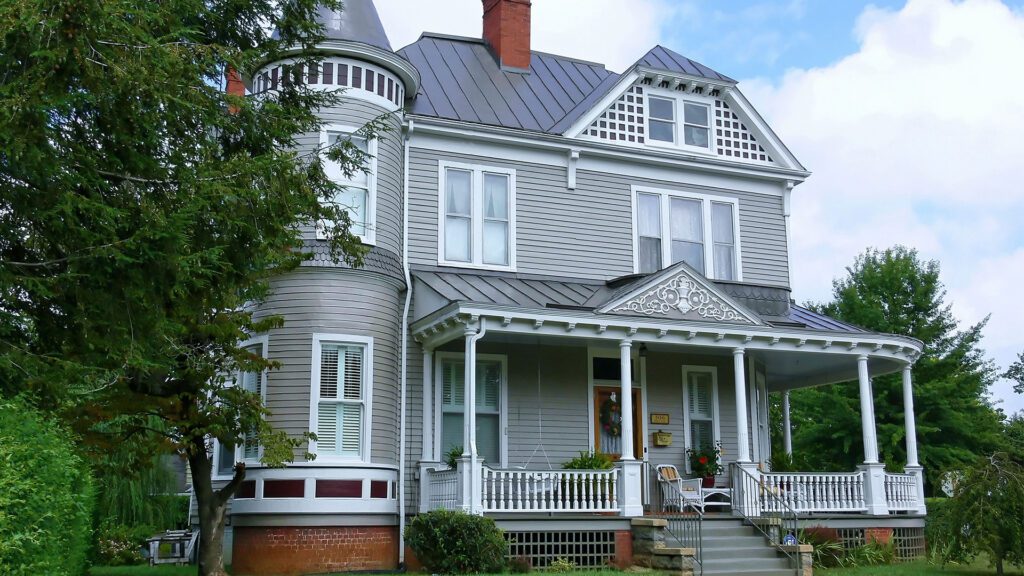
Older homes have character that cannot be easily reproduced. One thing I always recommend to homeowners is to understand as much as possible about the house before opening up walls. The more you understand about the existing conditions, the better you and your contractor can prepare for the project ahead.
1. Safety Comes First
When restoring or preserving a century-old home (or older), safety should always be at the top of the priority list. Older homes may have conditions that are not immediately visible, including knob-and-tube wiring, galvanized pipes, moisture or mold issues, foundation shifts, and uneven or compromised floors. These conditions do not necessarily mean the home cannot be restored, but they should be identified and addressed correctly before moving forward with cosmetic improvements.
2. What You See Is Not Always What Is There
A wall may look perfectly fine from the outside, but once it is opened, you may discover old wiring, plumbing that has been modified several times, water damage, missing insulation, or framing that does not meet today’s construction methods.
This is one of the biggest differences between renovating an older home and working on newer construction. You have to be prepared to adapt to what the building tells you once the work begins.
3. Plan for the Unexpected
New construction tends to be more exact and can often be priced down to the dollar. However, when restoring or preserving an old structure, there needs to be room in the budget for surprises. For older or historic homes, I recommend keeping a 20-30% contingency in the renovation budget for unexpected conditions. That does not mean you will necessarily spend it. It means that if something important is discovered during demolition, there is room in the budget to address it properly without bringing the entire project to a stop.
4. Preserve Before You Replace
Original windows, trim, flooring, plaster, masonry, and other materials are often part of what gives an older home its character.
Replacement is sometimes necessary, but it should not always be the first option. Before removing original materials, determine whether they can be repaired or restored. Recreating those original details later can be difficult and expensive.
5. Experience Matters
Preserving or restoring an old structure is not a typical construction project. Whenever possible, I recommend hiring an experienced contractor or company that understands older homes and knows how to evaluate existing conditions before deciding what should be repaired, replaced, or preserved.
The goal should not be to make an old house behave exactly like a new one. It should be to make it safe, preserve the character that makes it special, and improve it in a way that will continue to serve the homeowner for years to come.
Any content, resident submissions, guest columns, advertisements, and advertorials are not necessarily endorsed by or represent the views of Best Version Media LLC (BVM) or any municipality, homeowners associations, businesses, or organizations that this publication serves. BVM is not responsible for the reliability, suitability, or timeliness of any content submitted, inclusive of materials generated or composed through artificial intelligence (AI). All content submitted is done so at the sole discretion of the submitting party.