October is Breast Cancer Awareness Month, a time when much of the conversation understandably centers on screenings, treatment, research, and survivorship. There is another part of the experience that can feel deeply personal for many women undergoing cancer treatment: hair loss.
For some, losing their hair is simply another physical change to navigate. For others, it can feel surprisingly emotional. Hair is often connected to identity, femininity, privacy, and the familiar face we expect to see when we look in the mirror.
A wig can offer a little bit of normalcy during a season when so much may feel unfamiliar.
If you know ahead of time that your treatment may cause hair loss, shopping for a wig before that process begins can be helpful. You can more easily match your current color, texture, and hairstyle, and you may have more energy to explore your choices before treatment is underway. Taking a few photographs of your current hairstyle can also give your wig consultant a useful reference.
Submitted photo
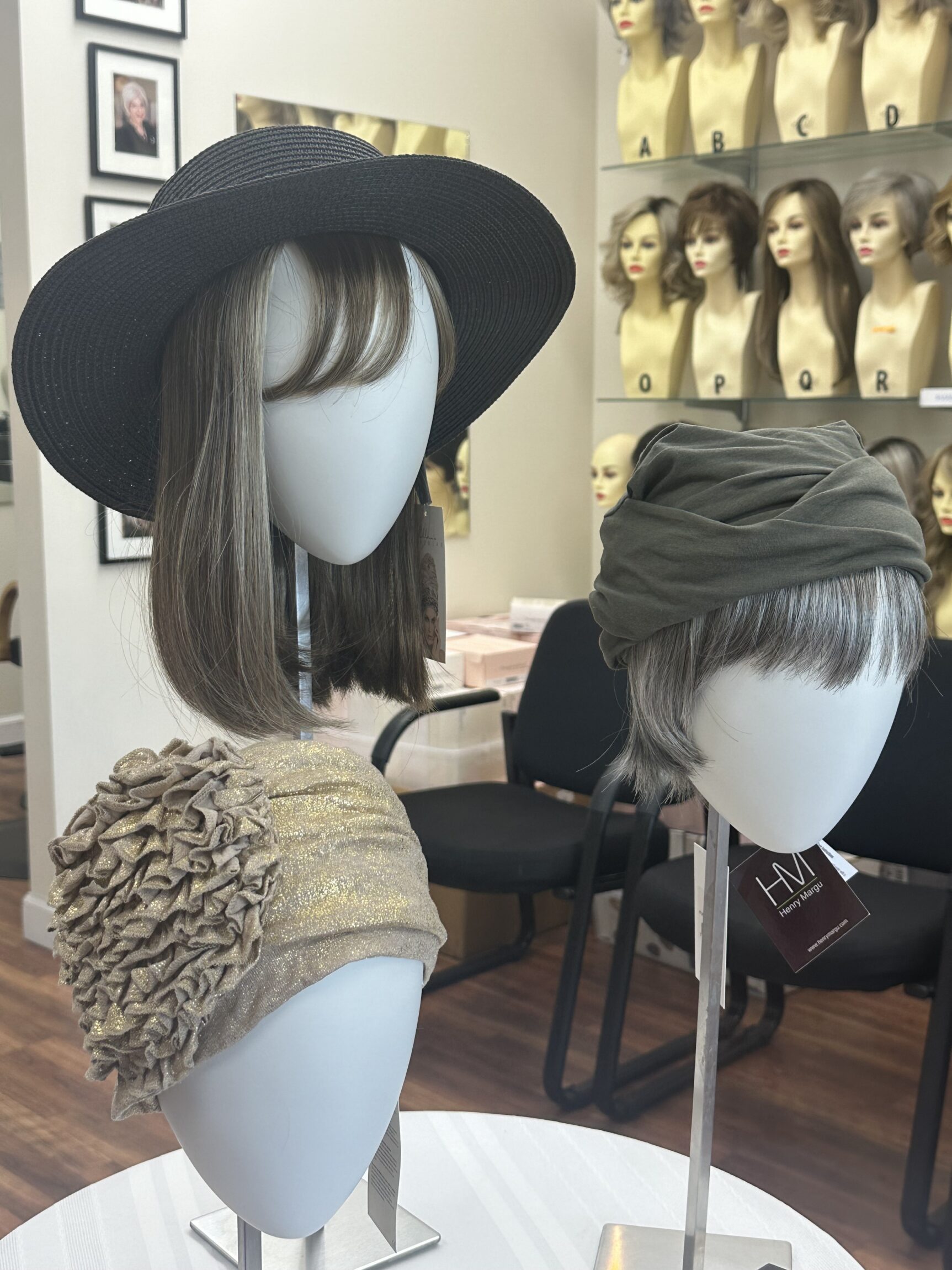
Many women are surprised by how many options are available today. Wigs come in synthetic and human hair, along with a variety of cap constructions, colors, lengths, and styles. Some women want something that looks as close as possible to the hair they have always worn. Others decide this is the perfect opportunity to try a slightly different cut or color.
Comfort matters just as much as appearance. Cancer treatment can sometimes leave the scalp more sensitive, making the weight, fit, breathability, and construction of a wig especially important. A properly fitted wig should feel secure without being uncomfortably tight. Soft wig liners and grip bands can also make daily wear more comfortable.
Synthetic wigs are a popular choice because they generally require less maintenance and retain their style after washing. Human-hair wigs offer greater styling flexibility, although they typically require more upkeep. There is no single “best” choice. The right wig is the one that feels comfortable, manageable, and most like you.
One tip many people do not know: some health insurance plans may help cover the cost of a wig for medically related hair loss when it is prescribed as a cranial prosthesis. Coverage varies, so it is worth contacting your insurance provider and asking about your specific benefits.
Most importantly, choosing a wig should never feel like one more medical task to complete. It can be a very personal experience, and having someone take the time to help with fit, color, style, and questions can make the process feel much less overwhelming.
At Merle Norman in Chapin, helping women find wigs and hairpieces is an important part of what we do. We understand that sometimes a wig is about much more than hair. It can help someone walk into work, attend a family gathering, run errands, or simply look in the mirror and recognize herself again.
This Breast Cancer Awareness Month, we honor the women in our community who are facing treatment, those who have come through it, and the families and friends walking alongside them.
This is your magazine! If you have a story, friend, photo, recipe, pet, or content to share please reach out to maryalexander@bestversionmedia.com.
Any content, resident submissions, guest columns, advertisements, and advertorials are not necessarily endorsed by or represent the views of Best Version Media LLC (BVM) or any municipality, homeowners associations, businesses, or organizations that this publication serves. BVM is not responsible for the reliability, suitability, or timeliness of any content submitted, inclusive of materials generated or composed through artificial intelligence (AI). All content submitted is done so at the sole discretion of the submitting party.