The cost of owning a vehicle includes much more than the monthly payment. Fuel, maintenance, repairs, insurance, depreciation and unexpected breakdowns can all affect your budget. While some expenses are unavoidable, a proactive approach can help control long-term costs and extend the life of your vehicle.
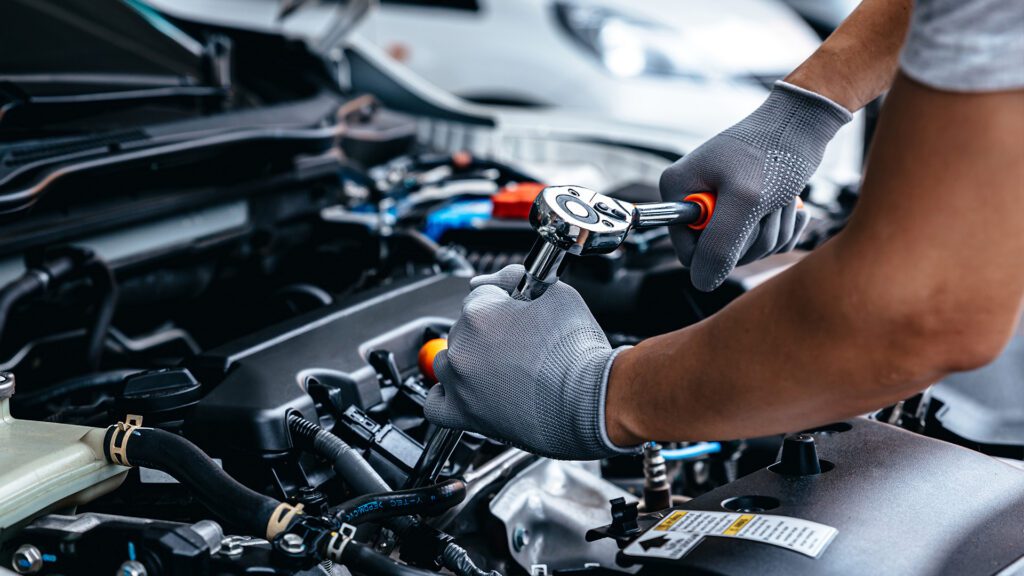
The most important step is to follow a maintenance plan. Oil changes, fluid services, filters and other routine maintenance may seem like added expenses, but they are generally far less costly than repairing damage caused by neglect. Your vehicle’s maintenance schedule provides a useful starting point, although driving conditions, mileage and vehicle use should also be considered.
Regular inspections are equally valuable. Identifying a small coolant leak, worn belt or damaged suspension component early may prevent a breakdown or a much larger repair. Ask your repair facility to help prioritize recommendations by separating immediate safety concerns from maintenance that can be planned for a future visit. This allows you to budget more effectively without ignoring developing problems.
Take care of your tires. Maintaining the correct tire pressure improves fuel economy, handling and tire life. Regular rotations and wheel-alignment checks help prevent uneven wear. When purchasing tires, consider overall value rather than price alone—a quality tire that lasts longer and performs better may have a lower cost per kilometre.
Driving habits also make a difference. Hard acceleration, aggressive braking and excessive idling increase fuel consumption and wear. Smooth driving reduces strain on the brakes, tires and drivetrain. Removing unnecessary weight and roof-mounted accessories when they are not needed can also improve fuel efficiency.
Keep accurate maintenance and repair records. Good records help prevent duplicate services, make it easier to track recurring concerns and demonstrate that the vehicle has been properly maintained. This can also improve its resale value when it is time to sell or trade it. When repairs are required, consider the complete value of the work. Proper diagnosis, quality parts and a strong warranty may cost more initially but can reduce the risk of repeat repairs. The least expensive estimate is not always the least expensive solution over the life of the vehicle.
Finally, plan ahead. Setting aside a small amount each month for maintenance and repairs makes normal vehicle expenses easier to manage. Before replacing an older vehicle, compare its expected repair costs with the payments, depreciation and higher insurance costs associated with purchasing something newer.
Controlling vehicle ownership costs does not mean postponing every expense. It means maintaining the vehicle thoughtfully, addressing concerns before they become emergencies and making informed decisions based on long-term value.
Any content, resident submissions, guest columns, advertisements, and advertorials are not necessarily endorsed by or represent the views of Best Version Media LLC (BVM) or any municipality, homeowners associations, businesses, or organizations that this publication serves. BVM is not responsible for the reliability, suitability, or timeliness of any content submitted, inclusive of materials generated or composed through artificial intelligence (AI). All content submitted is done so at the sole discretion of the submitting party.