How restoring deeper facial tissues can create a refreshed, natural-looking result.
For many people, the word “facelift” brings to mind an overly tight or dramatically altered appearance. Modern facial rejuvenation, however, is not simply about pulling the skin tighter. The goal is to address the deeper changes that occur as the face and neck age while preserving the patient’s natural features.
Over time, the supportive tissues of the face gradually descend. This can contribute to flattening through the cheeks, early jowling, loss of jawline definition, neck skin laxity, and visible platysmal bands in the neck.

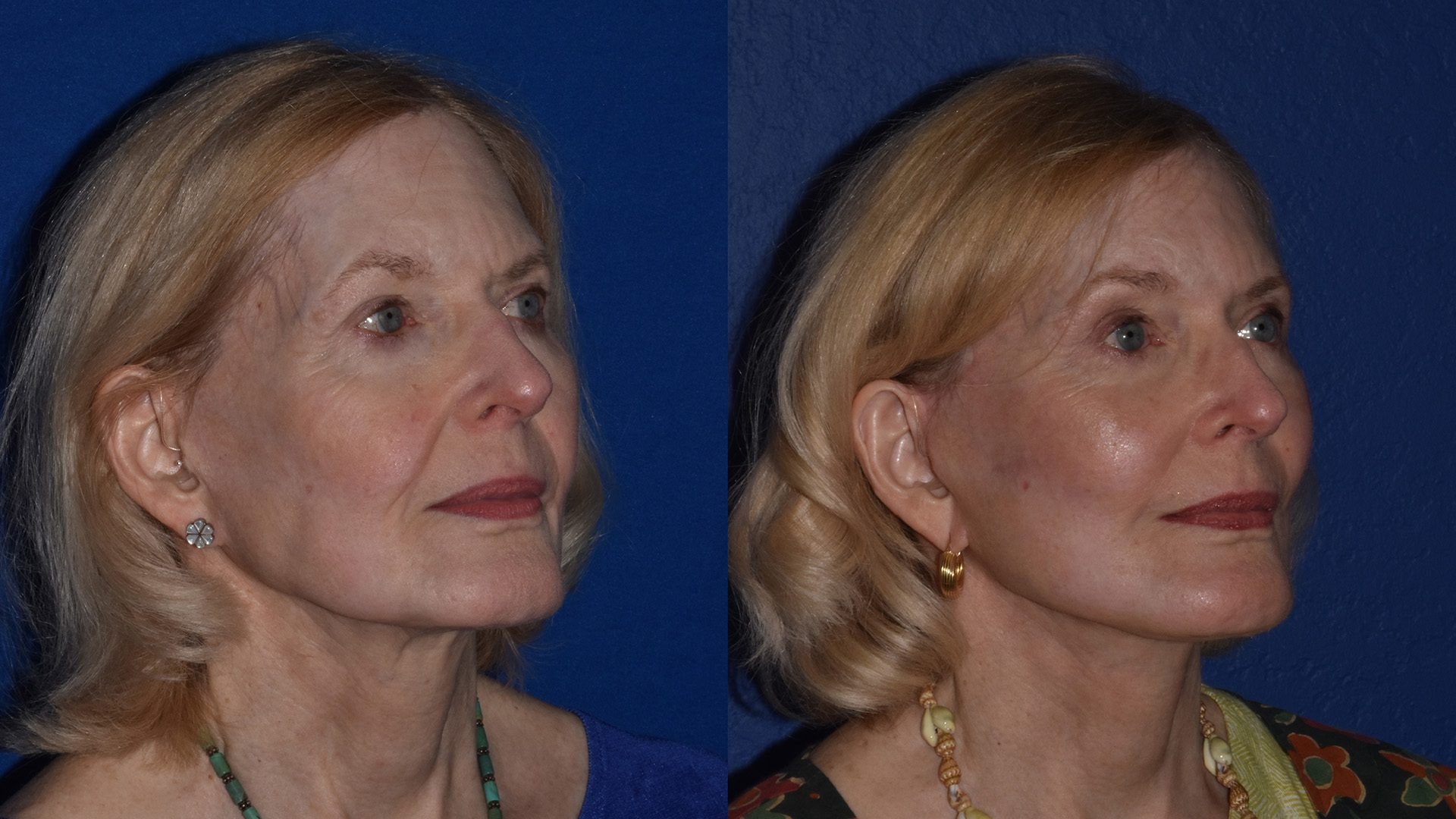
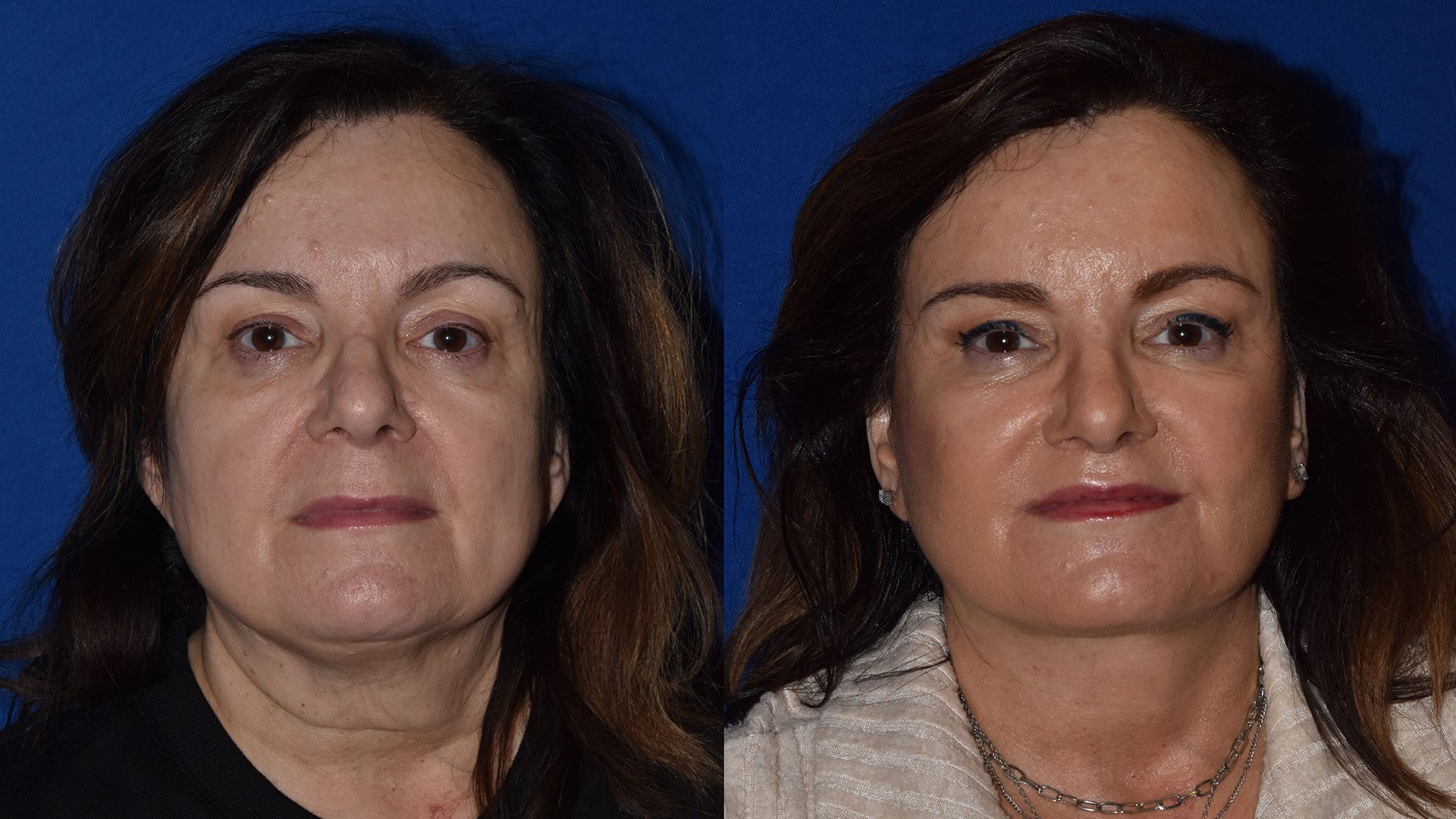
A deep plane facelift (often combined with a brow and neck lift) works beneath the skin, along a natural glide plane, to fully release and reposition these deeper tissues. Rather than placing the tension primarily on the skin, the underlying facial tissue is released and elevated in a more natural, vertical direction. The skin and deeper tissue are lifted together as a thicker composite flap, which maintains a better blood supply to the skin. The skin can then be gently re-draped without excessive pulling or tension.
According to Dr. Christian Conderman, every surgical plan should be tailored to the patient’s unique facial anatomy, degree of tissue descent, and personal goals. The objective is not to change the patient’s identity, but to restore a more rested or refreshed version of themselves.
Addressing Common Facelift Fears
1. “Will I look pulled or unnatural?”
This is one of the most common concerns patients express. An unnatural appearance can occur when too much tension is placed on the skin. A deep plane approach focuses on repositioning the deeper tissues responsible for facial shape, helping create a softer, more natural-looking and longer-lasting result.
2. “Will everyone know I had surgery?”
Most patients want to hear that they look refreshed—not be asked whether they had a facelift. Swelling and bruising are expected during early healing, but the appearance gradually softens as the tissues settle. Final results are not immediate and continue to become more refined over time.
3. “Will my scars be noticeable?”
Facelift incisions are carefully designed around the natural contours of the ears and within or along the hairline whenever possible. Every incision creates a scar, but thoughtful placement, meticulous closure, and proper aftercare can help scars become less noticeable as they mature.
4. “Is the recovery extremely painful?”
Patients may experience swelling, tightness, pressure, bruising, and temporary numbness. Discomfort is typically most noticeable during the first 48 to 72 hours. Recovery is different for every patient, but most patients are back to most activities after two to three weeks. Individualized postoperative instructions are provided to support safe and comfortable healing.
5. “Is a deep plane facelift safe?”
Every surgical procedure carries risks. A deep plane facelift requires detailed knowledge of facial anatomy, careful surgical planning, and appropriate postoperative care. Because the skin and deeper tissue are lifted together as a composite flap with a better blood supply, this may help reduce skin blood-supply issues and related complications.
Facelift surgery is never one-size-fits-all. Some patients may benefit from a face and neck lift alone, while others may consider complementary procedures such as a brow lift, conservative upper blepharoplasty, fat grafting, or laser resurfacing. The right combination depends on the patient’s anatomy and concerns.
About Dr. Conderman
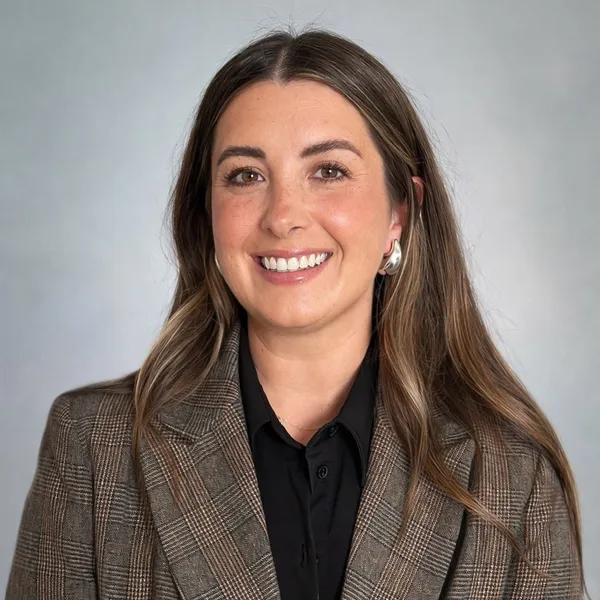
Christian P. Conderman, MD, FACS, is a double board-certified facial plastic surgeon whose practice is dedicated exclusively to the face and neck. He emphasizes transparency, an anatomy-based approach to facial aging, personalized consultations, honest guidance, patient safety, and refined, natural-looking results.
Any content, resident submissions, guest columns, advertisements, and advertorials are not necessarily endorsed by or represent the views of Best Version Media LLC (BVM) or any municipality, homeowners associations, businesses, or organizations that this publication serves. BVM is not responsible for the reliability, suitability, or timeliness of any content submitted, inclusive of materials generated or composed through artificial intelligence (AI). All content submitted is done so at the sole discretion of the submitting party.