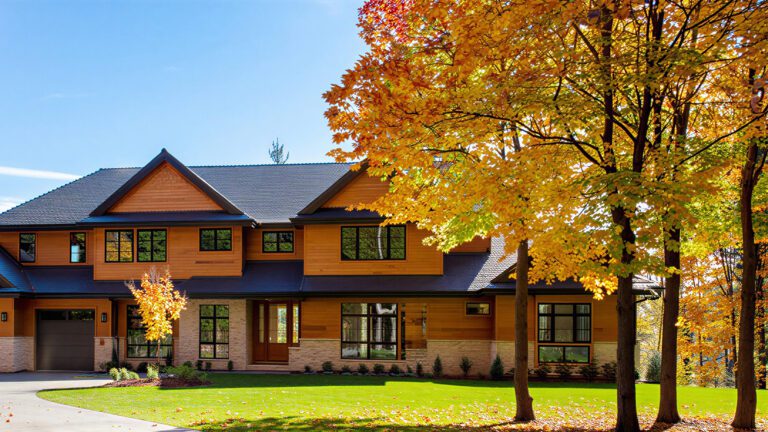
A home addition, new driveway, pole barn, or major landscaping project can be an exciting improvement to your property. During the planning process, it is easy to focus on the building, the equipment, and the finished result. The mature trees around the project may seem sturdy enough to take care of themselves.
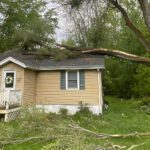
Unfortunately, construction damage is one of the easiest ways to shorten the life of an otherwise healthy tree.
The most important thing to understand is that a tree is much more than the trunk and branches we can see. Its root system spreads through a large area of soil, often extending well beyond the edge of the canopy. Many of the roots that absorb water and nutrients are fairly close to the surface. That means excavation, trenching, heavy equipment, and even repeated vehicle traffic can cause serious damage.
A common misconception is that a tree is safe as long as no one hits the trunk. In reality, soil compaction can be just as harmful. When trucks, skid steers, or piles of building materials sit beneath a tree, the soil becomes compressed. This reduces the air space in the soil and makes it harder for roots to receive oxygen and water. The tree may not show symptoms immediately. Decline can begin months or even years after the project is finished, which makes the original cause easy to overlook.
Cutting roots is another major concern. A trench for utilities or drainage may remove a large portion of the root system on one side of a tree. This can affect both the tree’s health and its stability. Adding or removing soil around the base can also create problems by changing the amount of oxygen and moisture available to the roots.
The best time to protect a tree is before construction begins. Identify the trees you hope to preserve and establish a generous protection zone around them. Temporary fencing should keep equipment, vehicles, materials, and excavated soil away from the trunk and root area. The farther that activity stays from the tree, the better.
It is also helpful to involve a qualified tree professional early in the planning process. At Kuiper Tree Care, we would much rather help a homeowner protect a good tree before work begins than explain later why it is declining. Sometimes a small change to the route of a driveway, utility line, or access path can make a significant difference.
Mature trees add shade, character, and value that cannot be quickly replaced. With a little planning and communication, your next property improvement can make room for both the new project and the trees that already make the property special.
Any content, resident submissions, guest columns, advertisements, and advertorials are not necessarily endorsed by or represent the views of Best Version Media LLC (BVM) or any municipality, homeowners associations, businesses, or organizations that this publication serves. BVM is not responsible for the reliability, suitability, or timeliness of any content submitted, inclusive of materials generated or composed through artificial intelligence (AI). All content submitted is done so at the sole discretion of the submitting party.