Why Diabetic Eye Awareness Matters
Diabetes can affect nearly every part of the body, including the eyes. Over time, high blood sugar damages the small blood vessels nourishing the retina, the light-sensitive tissue at the back of the eye. Diabetes also increases the risk of cataracts, glaucoma and other vision problems. Because some diabetic eye diseases develop gradually with few or no early symptoms, awareness and regular eye care are critical.
Diabetic eye disease does not automatically cause vision loss. Early detection, treatment and careful diabetes management often protect sight. Comprehensive eye exams allow professionals to spot changes before they worsen.
Diabetic Retinopathy: A Major Concern
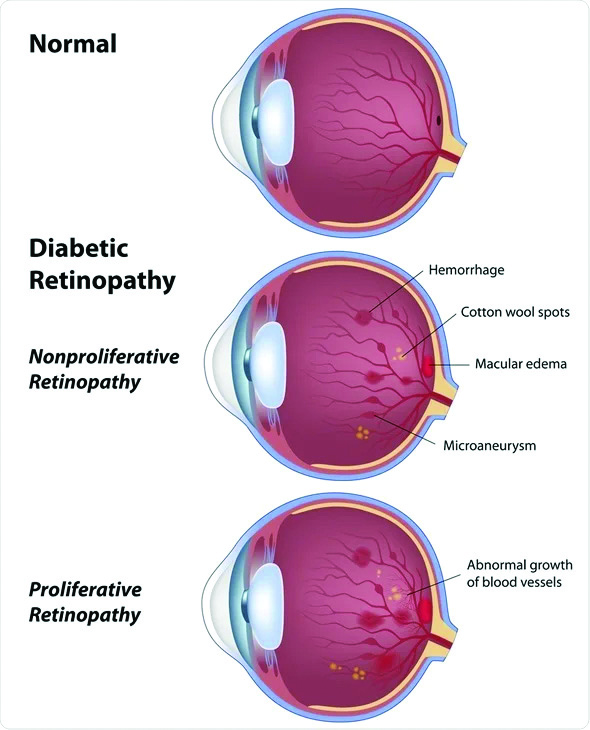
Diabetic retinopathy is a major diabetes complication occurring when elevated blood glucose damages retinal blood vessels. In nonproliferative diabetic retinopathy, vessels weaken, leak fluid or blood, or swell. In advanced proliferative diabetic retinopathy, abnormal new blood vessels grow on the retina, threatening vision.
Submitted photo
Diabetic macular edema occurs when damaged vessels leak fluid into the macula, which handles detailed central vision. It causes blurred or distorted sight and can occur at any stage of diabetic retinopathy.
Symptoms May Not Come First
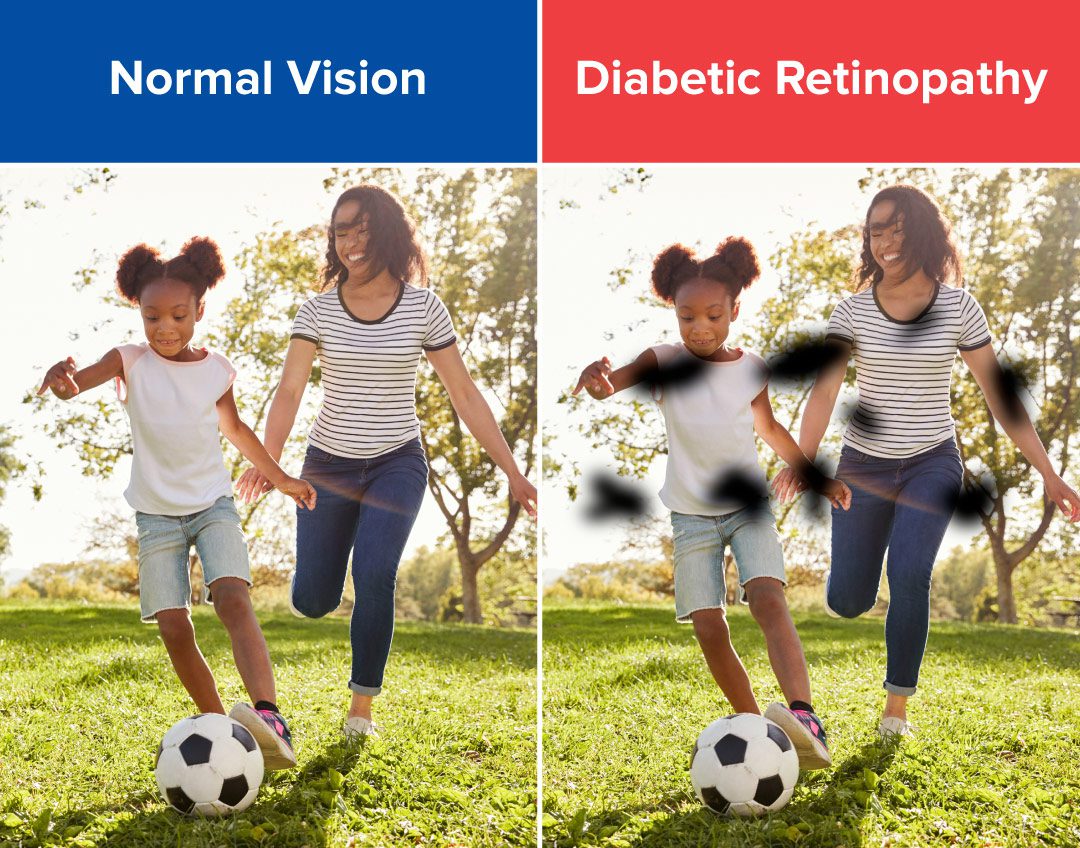
Clear vision does not guarantee healthy eyes, as diabetic eye disease can progress silently. When symptoms appear, they include blurred or fluctuating vision, dark spots or floaters, poor night vision, altered color perception or missing areas of vision. Sudden changes require prompt evaluation. Do not wait for symptoms to schedule an exam; early detection provides more opportunities to monitor and treat conditions.
The Importance of a Comprehensive Eye Exam
A dilated eye exam lets professionals evaluate the retina and internal structures, ordering extra imaging if needed. Exam schedules depend on diabetes type and control, pregnancy, age, prior eye findings and treatment history. Discuss your specific schedule with an optometrist or ophthalmologist and keep appointments to protect long-term sight.
Managing Diabetes Helps Protect the Eyes
Eye health ties directly to diabetes management. Managing blood glucose, blood pressure and cholesterol with your care team reduces complication risks. Taking medications, eating well, staying active and avoiding tobacco support overall health. These habits complement regular eye care, and strong communication among your medical team ensures changes are addressed quickly.
Submitted photo
Other Eye Conditions Associated With Diabetes
Diabetes raises the risk of cataracts—clouding of the lens—which may develop earlier or progress faster. It also increases glaucoma risk, a group of conditions damaging the optic nerve that causes permanent vision loss if untreated. Comprehensive exams determine whether findings require observation, medication, lasers, injections or surgery.
When to Seek Prompt Eye Care
Report new or worsening vision changes immediately. Seek urgent care for sudden vision loss, increased floaters, flashes, a shadow across your field of vision or other major changes. Pregnant individuals with diabetes should also discuss eye care with providers, as pregnancy affects retinopathy monitoring.
Simple Steps for Diabetic Eye Awareness
- Schedule recommended eye examinations.
- Remember that eye disease can exist without symptoms.
- Manage blood glucose, blood pressure and cholesterol.
- Take medications consistently and keep routine appointments.
- Share your diabetes history, medications, pregnancy and vision changes with your eye doctor.
- Seek prompt care for sudden vision changes.
- Encourage loved ones with diabetes to prioritize eye health.
A Clear Message: Protect Your Vision
Vision loss is not an inevitable outcome of diabetes. Proactive care—regular exams, early detection and good diabetes management—preserves sight. If you have diabetes, partner with your eye doctor and report changes promptly.
Learn more by calling Sehy and Jones Community Eye Care at (217) 342-2672 or online at www.communityeyecare.com
Any content, resident submissions, guest columns, advertisements, and advertorials are not necessarily endorsed by or represent the views of Best Version Media LLC (BVM) or any municipality, homeowners associations, businesses, or organizations that this publication serves. BVM is not responsible for the reliability, suitability, or timeliness of any content submitted, inclusive of materials generated or composed through artificial intelligence (AI). All content submitted is done so at the sole discretion of the submitting party.