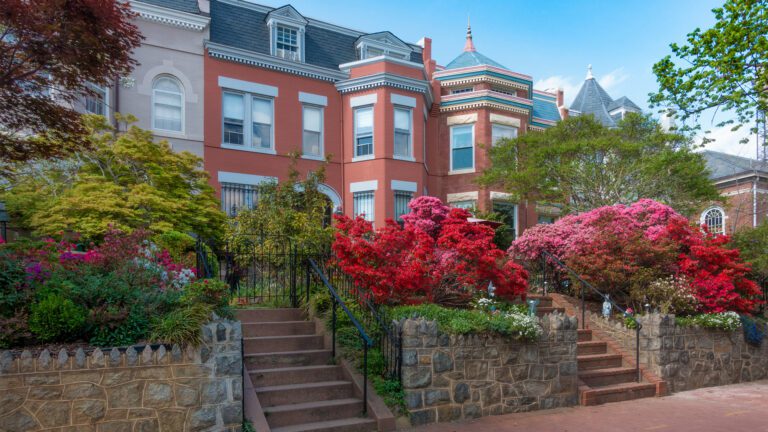
It’s fall planting season again. How time flies. Whether you’re adding plantings this season or planning for next spring, now is a great time to look around your neighborhood and along your daily route for plants that catch your eye. Leaves are turning color. Plants are setting berries and seed pods. Plants are out there just waiting to add interest to your garden.
If your garden hits a lull at certain times of the year, or feels a little drab, pay attention to your surroundings. Go for a walk or visit a nursery. Places like Dumbarton Oaks, the U.S. National Arboretum and Brookside Gardens are great local resources to wander, to remind yourself of what is at it’s best right now. Look for plantings that add a particular seasonal interest, an additional texture, or a new plant you may not be familiar with. You can, of course, look online or in reference books, but nothing beats seeing plants in person, touching them, appreciating their character and textures, and seeing what plants others may have grouped together in interesting combinations.
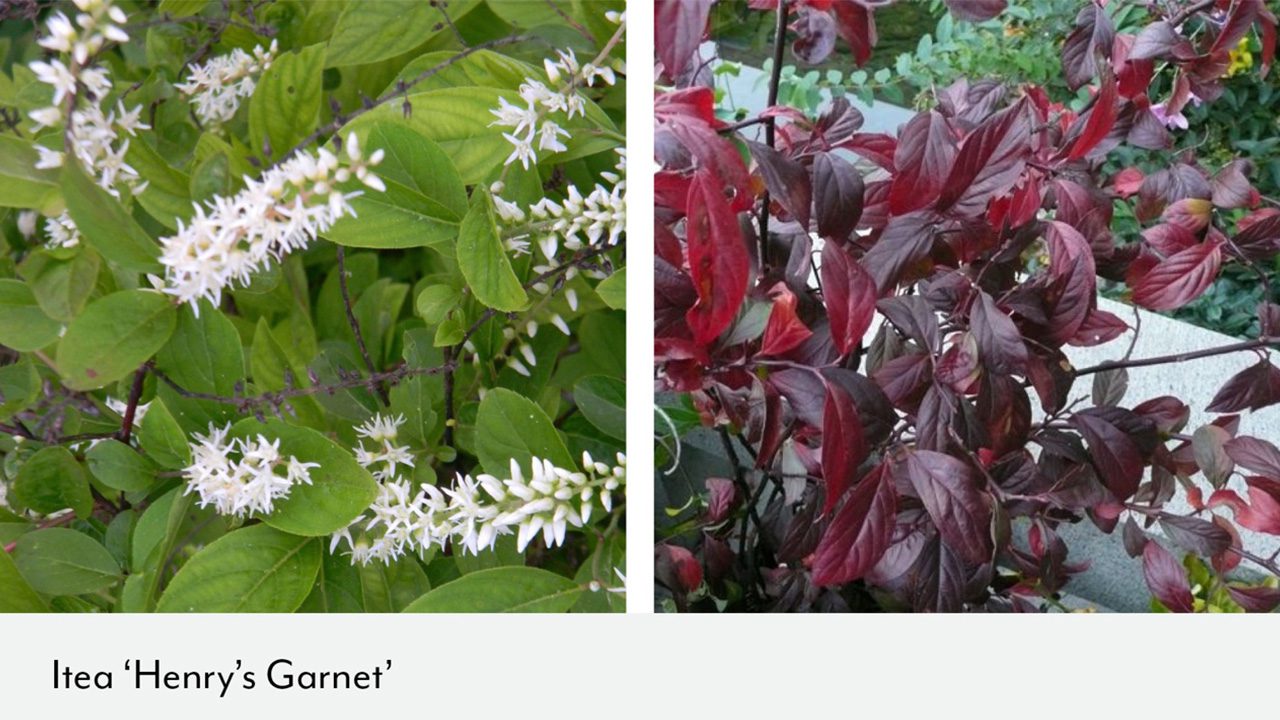
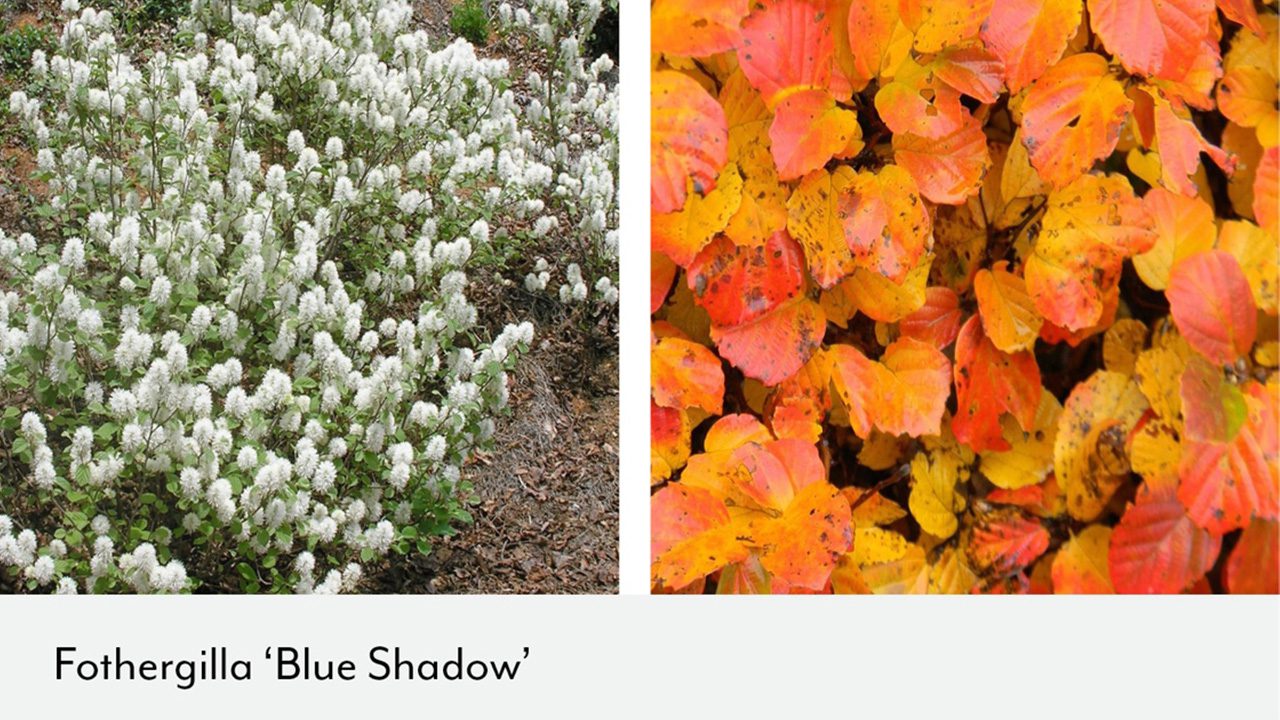
Evergreen plantings can help carry a garden through winter, but it’s the plantings that fill in around the underlying structure that can make a real difference through the balance of the year. A number of natives offer wonderful multiple- season interest. Fothergilla and clethra have early-season flowers, interesting form and beautiful fall color. Virginia sweetspire (Itea virginica), especially ‘Henry’s Garnet’, provides interest throughout the seasons and spectacular fall color. Before adding any plantings, first observe whether your space gets sun or shade; fortunately for our region, there are plantings with wonderful fall interest for both.
Once you’ve found plants you like, you may ask: will this do well in my garden? That’s a great question. We’ve noticed many changes through our years in practice. Some plantings that used to do well here no longer perform, while others that were not cold hardy now are, given the changing climate and/or changes in hybridization. There are camellias and gardenias we grow today that did not do well 40-some years ago, when I began my practice. And plants like rhododendron, certain azaleas, pieris and mountain laurel, which once performed well here in the Mid-Atlantic and were staples in gardens, now often struggle or die due to problems such as Phytophthora and other pests and diseases.
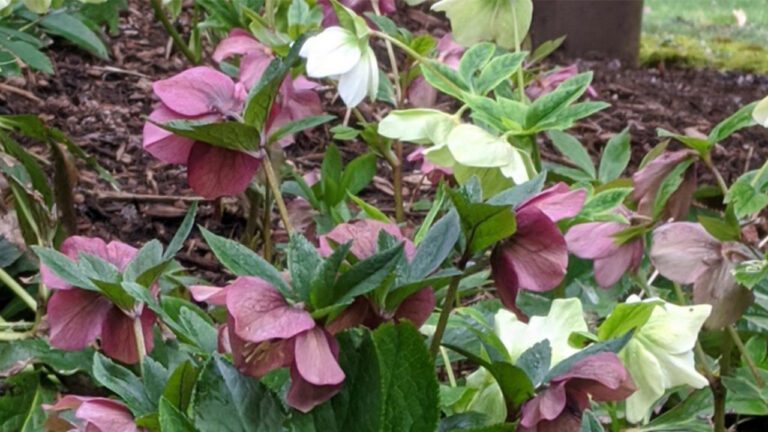
Some plants with multiple-season interest we have found to perform particularly well in recent years are fothergilla ‘Mount Airy’ and ‘Blue Shadow’; certain hellebores, such as the many varieties of Helleborus orientalis and its hybrids; and ferns such as Dryopteris erythrosora ‘Brilliance’, which take difficult shady spots. Abelia ‘Rose Creek’ and Deutzia gracilis ‘Nikko’ are smaller shrubs that are hardy performers with multiple-season interest. We’ve limited the boxwoods we use, given blight and other pest problems. The NewGen varieties such as ‘Independence’ do well, and Saunders Brothers boxwood growers publish a great chart of boxwood varieties and their strengths and weaknesses against pests and diseases. Ilex verticillata ‘Sparkleberry’ adds beautiful red berries to the fall landscape. Many of the spireas and viburnums are tried-and-true hardy plants for our area.
The garden space you have determines whether there is room for any small tree for seasonal interest or a larger shade tree(s). If you have room, katsura (Cercidiphyllum japonicum), American yellowwood (Cladrastis lutea) and Persian ironwood (Parrotia persica) all offer wonderful fall interest. In smaller spaces, serviceberry (‘Autumn Brilliance’) provides wonderful fall color, and fringetree (Chionanthus virginicus) and witch hazel (Hamamelis virginiana) are natives with lovely yellow fall color. Sweetbay magnolia (Magnolia virginiana) is a native understory flowering tree. It handles a wide range of soils and light conditions and it’s a great performer.
Of course, we have the deer factor in our region. Luckily, many of the plants I’ve mentioned are quite tolerant of deer, though the list of plants they don’t bother grows shorter over time. They don’t seem to read the lists of things they don’t like.
There are always things you want to try. If you’re not certain how something will do, plant one or two and see how they do before you make the investment in planting an entire area. So take a walk and see what you find!
Any content, resident submissions, guest columns, advertisements, and advertorials are not necessarily endorsed by or represent the views of Best Version Media LLC (BVM) or any municipality, homeowners associations, businesses, or organizations that this publication serves. BVM is not responsible for the reliability, suitability, or timeliness of any content submitted, inclusive of materials generated or composed through artificial intelligence (AI). All content submitted is done so at the sole discretion of the submitting party.