3 Strength Training Myths and What You Really Need to Know
In recent years, research around strength training has shown that it improves everything from muscle mass and bone density to heart health and mental well-being. Heck, strength training is one of the few things that both medical doctors and online influencers agree on!
But there are still a few lingering myths about strength training that we continuously find are holding people back from reaping all its awesome benefits. Let’s clear a few of those up!
Myth 1: Strength training is dangerous
Rates of strength training injuries tend to be lower than those in other sports, including running! With higher-intensity workouts (think faster-paced, less rest), injury rates can increase slightly, so if this is a concern for you, try a slower-paced strength training session that relies on progressive overload to safely build strength.
Myth 2: Strength training builds bulky muscles, while Pilates and yoga build long, lean muscles
There are no “different” types of muscles that your body can build. You either have more muscle or less muscle, and strength training is the most efficient way to grow muscle because it provides a heavy enough stimulus for your body to respond. Women in particular may have been taught that they don’t want to look muscular, but many find they actually enjoy how they look with some muscle—plus, the health benefits are undeniable.
Myth 3: Strength training is for men who are already jacked
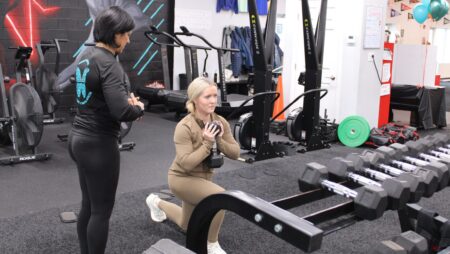
If you think of Arnold Schwarzenegger when you think of strength training, it’s understandable to feel like the weight section of the gym isn’t for you. But the reality is that most people who strength train aren’t “rippling” with muscles, nor are they trying to be. Most clients we see at Magnitude Strength & Power just want to feel better, look a little tighter, and perform their daily activities with ease.