Building a Fire Resilient Home: Materials and Upgrades That Matter
As the anniversary of the devastating Palisades fires approaches, homeowners across California are once again reminded of how quickly threats can turn into reality. The 2025 fire destroyed more than 6,800 structures and left thousands displaced. In a state where drought, high winds, and dense vegetation are common, home hardening is no longer optional- it’s essential. While wildfires remain a top concern, the reality is that most residential fires start from far more common sources such a neighbor’s house catching fire from a cooking mishap or forgotten candle, an electrical short, or embers drifting from a nearby structure fire. Fortunately, today’s building materials and technologies offer reliable ways to significantly increase your home’s resilience without sacrificing curb appeal. One of the most impactful upgrades? Replacing vulnerable exterior materials with noncombustible options like fiber cement siding.
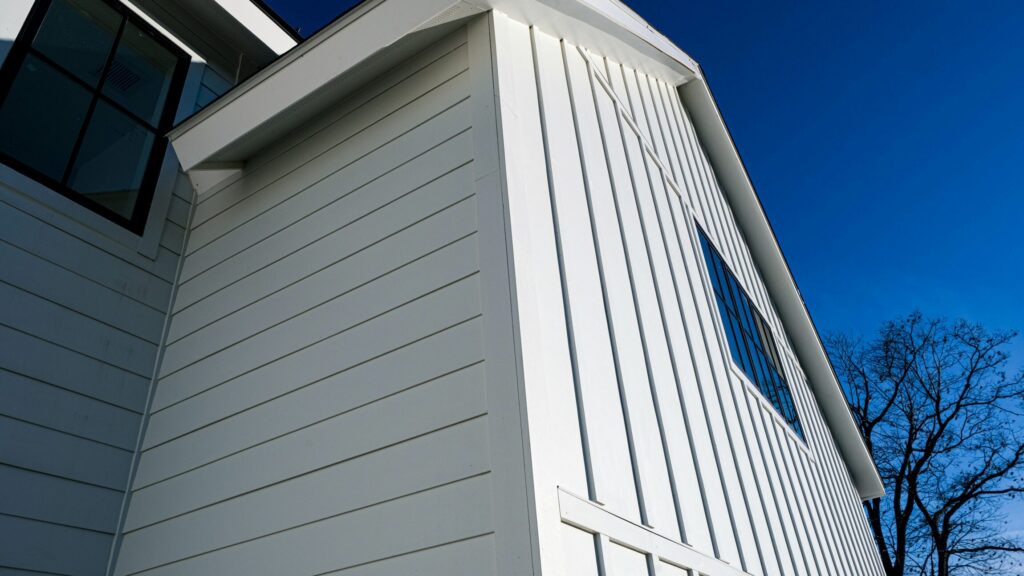
We here at Peninsula Siding Company love fiber cement products, and we are enthusiastic about the standards that companies like James Hardie uphold to keep your investment safe. James Hardie has become a leading choice in both new construction and re-siding projects in high risk regions. Its durability, Class A fire rating (per ASTM E84), and resistance to warping or melting under extreme heat making it one of the most reliable exterior cladding options available. What does that mean in real world conditions? In past incidents, homes clad in James Hardie siding have withstood direct flames while adjacent wood sided homes were reduced to ash.
Unlike wood or vinyl, James Hardie products do not ignite when exposed to direct flame or flying embers, which are responsible for the majority of home ignitions whether from a wildfire, a backyard grilling mishap, or heat exposure from a neighboring structure fire. Its dimensional stability and low maintenance needs also make it ideal for both full time homes and vacation homes that may be unoccupied for long stretches. With a range of colors and wood tone finishes, homeowners no longer have to choose between safety and style.
But siding is only one layer of a fire resistant home. Every potential entry point for flame and embers windows, vents, soffits, roofing, gutters must be strengthened. Windows play a critical role during a fire event. Dual pane tempered glass is incredibly more resistant to cracking than older single pane windows, which can fracture under heat and allows embers to enter the home. Fire officials widely recommend replacing outdated windows with modern, fire rated versions. Vent openings should be fortified with products like Vulcan Vents, which use intumescent mesh with a honeycomb matrix that swells shut in extreme heat. These vents prevent embers from infiltrating attics, crawl spaces, and foundations some of the most common ignition points in both wildfire and structure to structure fires.
Roofing, gutter systems, exterior details, and even gardening choices play a larger role in fire spread than most homeowners realize. Metal or Class A composite roofs offer significantly better protection than wood shake or aging asphalt shingles. Automated exterior sprinkler and fire retardant systems, such as the Frontline Wildfire Defense System, can apply a protective barrier even when evacuation orders prevent last minute preparation. Other upgrades include ember resistant gutter guards, noncombustible decking, and maintaining at least five feet of hardscape or gravel around the home can drastically reduce ignition risk. Vegetation should be routinely maintained, and combustible items like mulch, wooden patio furniture, or fences located too close to the structure should be avoided. Experts emphasize creating an “ember resistant zone” immediately surrounding the home, using noncombustible materials and minimizing anything that can carry flame. For any California homeowner and especially those with a vacation home that may sit unattended these improvements can mean the difference between devastation and preservation of a home of memories.
Ultimately, fire preparedness works best when layered: noncombustible materials, upgraded windows, ember resistant vents, clean roofs, smart landscaping, and a focus on eliminating ignition sources near the home. As we honor the communities impacted by the Palisades fires, it’s also a moment to empower homeowners with the information they need to protect their families, their investments, and their neighborhoods. The right materials and upgrades truly make a difference and the time to strengthen both your home and your home away from home is before the next fire season arrives.