Clear Vision Through the Cold: Your Guide to Winter Eye Safety
Winter in Elko has its own magic. The sun rises over frosted rooftops, the Ruby Mountains glow against the white landscape, and weekends fill with sledding, snowshoeing, and cozy nights by the fire. But while we adjust our wardrobes and routines for the season, our eyes often get overlooked and winter can be surprisingly tough on eye health.
One of the first things many people notice is dryness. Cold air holds less moisture, and indoor heating systems reduce humidity even further. The result is that the eye’s natural tear film evaporates more quickly. That gritty, burning feeling after a few hours outside or an evening spent in a heated home is a sign your eyes are working overtime. Contact lens wearers can feel this even more intensely, making winter a time when artificial tears and hydration matter. Simple routines like running a humidifier or taking screen breaks can help restore the balance.
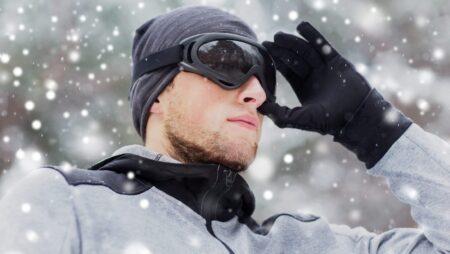
Snow-covered mountains also bring a hidden threat: UV exposure. Even though the air is chilly, sunlight reflecting off snow can nearly double the amount of UV rays hitting your eyes. Anyone who has spent a bright day skiing or ice fishing knows the sting that can follow hours outdoors. It is possible to sunburn the surface of the eye, a condition called photokeratitis, and it can be painful. The easiest line of defense is a good pair of sunglasses that block 100 percent of UVA and UVB rays. Wraparound styles work especially well for snowy conditions because they keep sunlight from sneaking in from the sides.
Winter also tends to be a time when colds and flu spread quickly, and rubbing irritated eyes makes it easy for infections to follow. Children, especially those in close-contact school settings, are prone to pink eye this time of year. Washing hands often and avoiding touching the eyes are small habits that offer big protection.
As the days get shorter, many of us spend more time indoors on screens for work, school, or entertainment. Focused screen time reduces the number of times we blink, adding to dryness and eye fatigue. If you notice headaches, blurred vision in the evening, or trouble focusing, your eyes may be telling you they need a break. Looking up from the screen regularly and focusing on a distant object helps relax the muscles inside the eyes, a quick reset that can make a big difference.
Outdoor work and winter hobbies introduce their own set of risks. Whether you are chopping wood, hunting in the wind, or clearing snow from the driveway, tiny particles, ice chips, and cold gusts can irritate or injure the eyes. Protective eyewear is not only for summer activities. Goggles and safety glasses help keep the elements out and your vision safe, especially when the weather gets blustery.
With all these seasonal changes, winter is a smart time to schedule an eye exam. Dryness, redness, or sudden vision changes should never be brushed off as “just the winter blues.” The expert providers at Focus Eye Care in Elko can evaluate symptoms, adjust contact lens recommendations, suggest moisture-preserving treatments, or help you choose eyewear that offers proper protection for winter recreation.
The beauty of this season comes with bright light, brisk winds, and long hours indoors. A little attention to your eyes can keep you enjoying everything winter brings, from gliding across fresh powder to watching snowflakes fall from a warm living room window.
To maintain comfort and protect your vision through every season, connect with the team at Focus Eye Care. Caring for your eyes today helps ensure a lifetime of clear views of the mountains we love most.