Fresh Starts: How to Keep Your Home Smelling as Inviting as It Looks
When we think about preparing a home for sale, we usually focus on what buyers see—fresh paint, tidy landscaping, sparkling windows. But there’s another sense that plays a powerful role in first impressions: smell. A fresh, clean scent can make a home feel inviting, while certain lingering odors can give a very different message. One you may not have heard about—but that science says is very real—is sometimes called “aging odor.”
Researchers have identified a natural compound called 2-nonenal, which can accumulate on the skin as we age. It’s a normal byproduct of our body’s chemistry—something that tends to increase after about age 40 as our skin’s oils change and oxidize. It has a slightly waxy or grassy scent, not unpleasant on its own, but when it accumulates in fabrics, furniture, or walls over time, it can give a home a faint musty or stale undertone.
Let me say right away: this isn’t about hygiene or cleanliness. It’s just one of those quiet realities of life, much like silver hair or laugh lines. But if you’re thinking about selling your home, it’s worth addressing, because buyers can be very sensitive to scent when touring properties.
The good news? It’s easy to freshen things up once you know what’s causing it. Start with soft surfaces—curtains, bedspreads, sheets, towels, throw pillows, and carpets —since they tend to retain odors. Professional carpet or upholstery cleaning can make a significant difference. Wash or replace old linens and drapes if possible. For hard surfaces, wipe walls, cabinets, and countertops with a gentle vinegar-and-water or citrus-based cleaner to cut through the oils that can trap odor.
If the smell lingers after cleaning, consider a primer/sealer before repainting walls and ceilings—products like Kilz or Zinsser help lock in any residual odors before adding a fresh coat of paint. And while scented candles or plug-ins can be pleasant for showings, try to keep them light and natural—buyers often prefer a “clean” scent to a perfumed one.
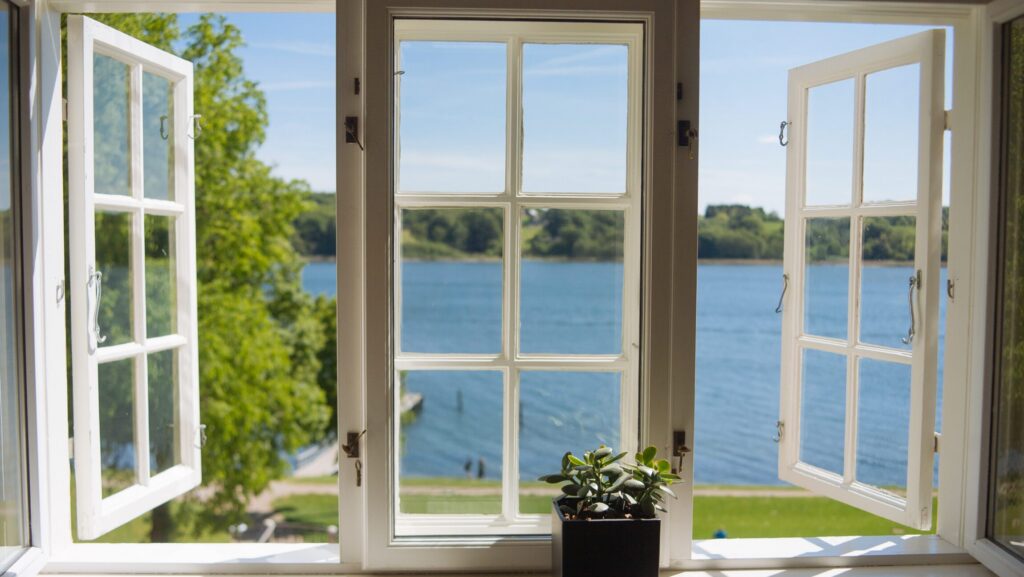
Ventilation also plays a big role. Opening windows for a few minutes each day, using fans, or running an air purifier with a HEPA and activated carbon filter can significantly improve air quality. For more stubborn situations, some professional cleaners offer ozone treatments to neutralize airborne and surface odors.
There’s also a health side to be aware of. A sudden or strong change in personal or home odor can sometimes indicate a medical issue—certain metabolic or liver conditions, for example, can subtly alter body scent. If you or a loved one notices a new odor that doesn’t respond to cleaning or lifestyle changes, it’s worth a friendly conversation with your healthcare provider.
Caring for Yourself from the Inside Out
Because aging odor comes from natural changes in skin oils, a few gentle self-care habits can help keep things fresh. Regular bathing with a mild, pH-balanced soap removes oxidized oils without over-drying the skin. Light exfoliation—using a soft washcloth or gentle scrub—helps slough away older surface oils where odor tends to form. Moisturizing afterward keeps skin balanced and less prone to oxidation.
What you eat and drink matters too. Staying hydrated and enjoying foods rich in antioxidants, such as colorful fruits and vegetables, green tea, and nuts, can help reduce the breakdown of skin oils that contribute to odor. Some studies suggest that vitamin C, vitamin E, and omega-3 supplements may also support healthier, more balanced skin from within.
This isn’t about masking or hiding; it’s about simple, everyday self-care that helps us feel comfortable, confident, and ready to share our homes (and our next chapters) with pride.
Selling a home is as much about feeling as it is about features. A touch of attention to how your home smells—just like how it shines—can make all the difference in helping it find its next happy owner.