Moving from living in a home for years to a personal care home can be an adjustment that may take time to settle. Dealing with change is even more of a challenge when you are in your eighties. As a close friend or relative, there are a number of things that you can do to help the stress of the move more quickly become a positive experience.
- Help decorate the new apartment. Having a close friend or relative help pick out furniture and decorations that make the new apartment look more like the home they left will provide positive memories of their past. Having personal support during the move-in process really does help the transition.
- Listening is equally vital. Encourage your loved one to express how they feel about their care and take their concerns seriously. Sometimes advocacy simply means being the person who hears them fully and communicates their needs when they cannot.
- Begin by establishing open communication with the staff. Introduce yourself to the nurses, aides, and administrators, and learn their routines and expectations. A friendly, respectful relationship with caregivers and management ensures that your loved one’s preferences are known and helps staff view you as a partner rather than an outsider.
- Encourage friends and relatives to visit often. Consistent companionship can make the new environment feel familiar and comforting.
- Keep up with any health issues and provide historical perspective to assist the staff in providing care.
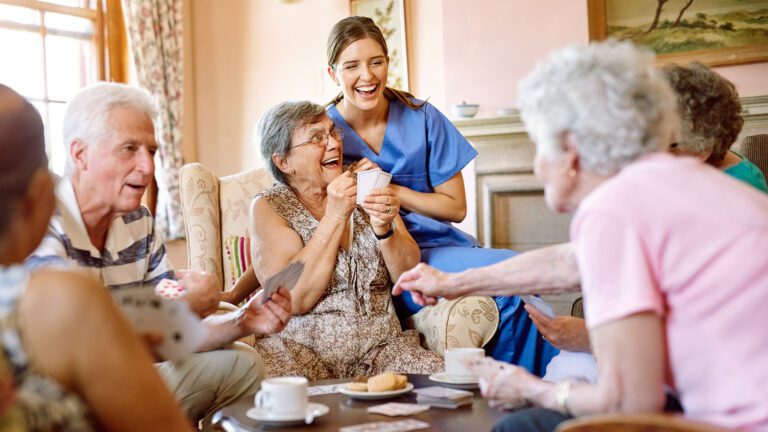
- Ask the staff for a copy of the activity schedule and try to join your loved one in some of the activities to help them make friends with other residents. Isolating themselves by not coming out of their apartment for meals and activities can quickly become depressing.
- Participate in facility-planned events for Christmas, the 4th of July, Thanksgiving, and—most importantly—their birthday. Your presence ensures they don’t feel abandoned by family and friends.
Ultimately, the goal is to help your loved one feel seen, supported, and securely anchored in their new surroundings. With patience, presence, and steady encouragement, even a daunting transition can become an opportunity for renewed connection and a richer quality of life. Your involvement—whether through conversation, advocacy, shared activities, or simply showing up—reminds them that while their setting may change, the love and relationships that matter most remain constant.
Any content, resident submissions, guest columns, advertisements, and advertorials are not necessarily endorsed by or represent the views of Best Version Media LLC (BVM) or any municipality, homeowners associations, businesses, or organizations that this publication serves. BVM is not responsible for the reliability, suitability, or timeliness of any content submitted, inclusive of materials generated or composed through artificial intelligence (AI). All content submitted is done so at the sole discretion of the submitting party.