Ice, Moisture and Temperature Swings: The Hidden Winter Threats to Your Roof
The Quiet Impact of Winter Weather
Winter can be tough on a roof, even when storms are mild. What many homeowners don’t realize is that the biggest threats this time of year often come from the freeze–thaw cycle, rising and falling temperatures, and the moisture they leave behind. These subtle forces work together in ways that slowly weaken roofing materials and shorten a roof’s lifespan.
How Ice Dams Form—and Why They Matter
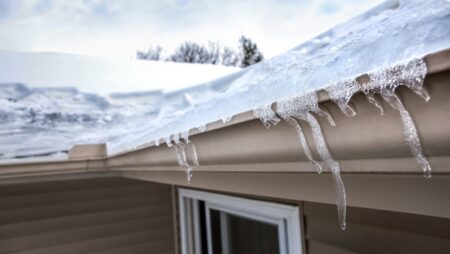
One of the most common winter issues is the formation of ice dams. These occur when heat escapes from the attic, warming the roof’s surface and melting the snow above it. As the water runs down the roof, it refreezes at the colder edges, creating a ridge of ice. Over time, melted snow begins to pool behind this ridge, and that trapped water can find its way under shingles or flashing. Even a tiny opening is enough for moisture to seep in, leading to hidden leaks or structural damage.
The Freeze–Thaw Cycle and Roofing Materials
Temperature swings can be equally damaging. Roofing materials expand as they warm and contract as the temperature drops. This natural movement happens daily throughout the winter and can loosen shingles, weaken seals, and cause small cracks to widen. Over time, these gaps allow water to penetrate the roof system, especially during rainy or icy conditions. While the changes aren’t always visible from the ground, they can compromise the roof’s ability to protect the home.
Moisture and Attic Ventilation
Moisture doesn’t only threaten the exterior of a roof. Poor ventilation inside the attic can cause interior condensation, especially when warm indoor air meets the colder underside of the roof decking. This moisture can lead to mold growth, wood rot, or sagging materials. Proper airflow is essential during colder months because it helps regulate temperature and reduces the risk of condensation-related damage.
Protecting Your Home Through Awareness
While winter roofing damage often goes unnoticed until spring, a little awareness goes a long way. Paying attention to changing temperature patterns, watching for early signs of leaks, and keeping gutters clear can significantly reduce the strain on your roof. Winter may be a quiet season, but its effects on your home’s most important protective structure are constant—and understanding these hidden threats is the first step toward preventing costly repairs.