January Is Glaucoma Awareness Month: Why Routine Eye Exams Could Save Your Sight
Each January, we shine a spotlight on one of the most silent yet sight-stealing eye diseases: glaucoma. Often called the “silent thief of sight,” glaucoma can progress for years without noticeable symptoms. By the time a person realizes something is wrong, the damage is often permanent. As an optometrist, I see firsthand how vital early detection is—and how easily it can be missed without routine eye examinations.
Understanding Glaucoma
Glaucoma is a group of eye diseases that damage the optic nerve, the structure responsible for transmitting visual information to the brain. Most commonly, this damage is caused by elevated eye pressure, although glaucoma can develop even with normal pressure. What makes glaucoma so dangerous is its subtlety. The disease typically starts by affecting peripheral (side) vision—something many people don’t consciously notice. As it progresses, vision loss creeps toward the center. Once optic nerve fibers are lost, they cannot be restored.
Who Is at Risk?
While anyone can develop glaucoma, certain individuals face a higher risk:
Adults over age 40
Those with a family history of glaucoma
People with diabetes or high blood pressure
Individuals who are significantly nearsighted
African American, Hispanic/Latino, and Asian populations
Because many of these risk factors are invisible or related to overall health, comprehensive eye exams—not just vision screenings are essential.
Why Early Detection Matters
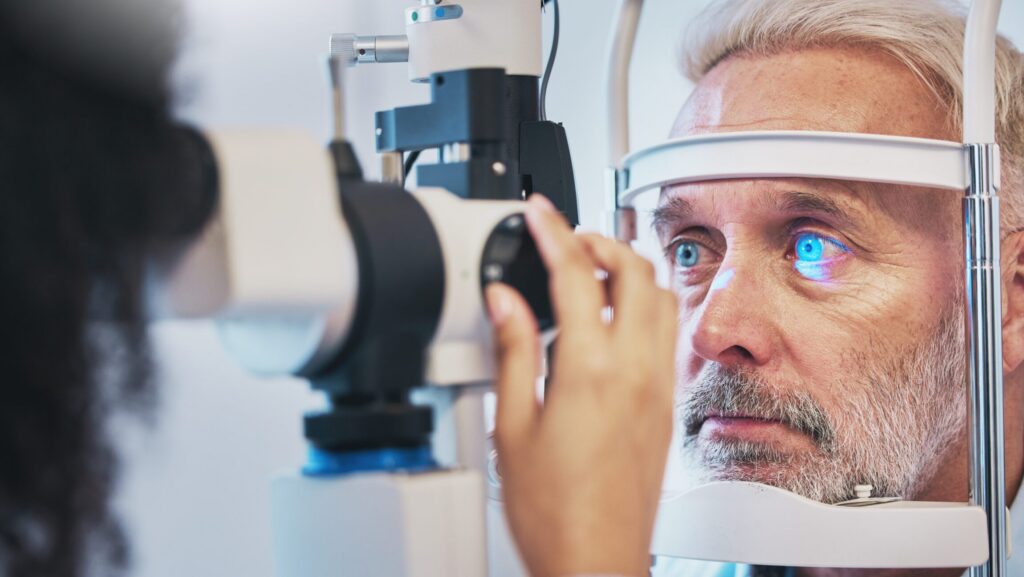
Glaucoma damage is permanent, but early detection can slow or prevent vision loss. With modern technology, optometrists can identify structural changes in the optic nerve long before symptoms appear. Tools such as optical coherence tomography (OCT), visual field testing, and precise pressure measurements allow us to detect even the earliest signs technology we at Fort Gibson Family Eyecare are proud to have. These advanced instruments help us monitor subtle changes over time and provide our patients with the most thorough care possible.
When found early, glaucoma can often be controlled with eye drops, laser therapy, or other minimally invasive treatments. The key is diagnosing the disease before vision is lost.
The Role of Routine Eye Exams
A routine, comprehensive eye exam is far more than a check of your glasses prescription. It is a window into your overall eye health and a primary line of defense against glaucoma.
During an annual exam, we:
Measure eye pressure
Evaluate the optic nerve
Assess peripheral vision
Examine the drainage angle
Monitor changes over time
If you’ve skipped your eye exam for a year or two or longer Glaucoma Awareness Month is the perfect reminder to prioritize your vision.
Protecting Your Vision Starts Today
Glaucoma affects nearly 3 million Americans, but many don’t know they have it. Routine eye examinations remain the best tool we have to preserve vision for a lifetime. This January, take the opportunity to educate yourself, spread awareness, and schedule a comprehensive eye exam for yourself and your family.
Eyesight is precious—and prevention starts with one simple step. Let’s make this year one of awareness, action, and lifelong eye health.