Neurodiversity in the Classroom: Empowering Every Learner to Thrive
Every student learns differently, and that’s not a challenge to overcome, but an opportunity to embrace. Neurodiversity, a term that encompasses a range of neurological differences, reminds us that there is no single “right” way to learn, think, or communicate. Schools thrive when they recognize and celebrate the full spectrum of human cognition and create environments where every learner is valued and supported.
Families: Advocates and Partners
Families play the first and most crucial role in empowering neurodiverse learners. When parents understand their child’s strengths and challenges, they can clearly communicate those needs to educators. It’s important for families to approach teachers as partners by sharing insights about what strategies help their child focus, regulate emotions, or demonstrate understanding.
Equally vital is fostering self-advocacy at home. Encouraging children to articulate how they learn best builds confidence and prepares them to communicate their needs in academic and social settings. Families can also help by normalizing conversations about neurodiversity, highlighting role models who think differently, and reframing labels from limitations into lenses for understanding.
Teachers: Architects of Inclusion
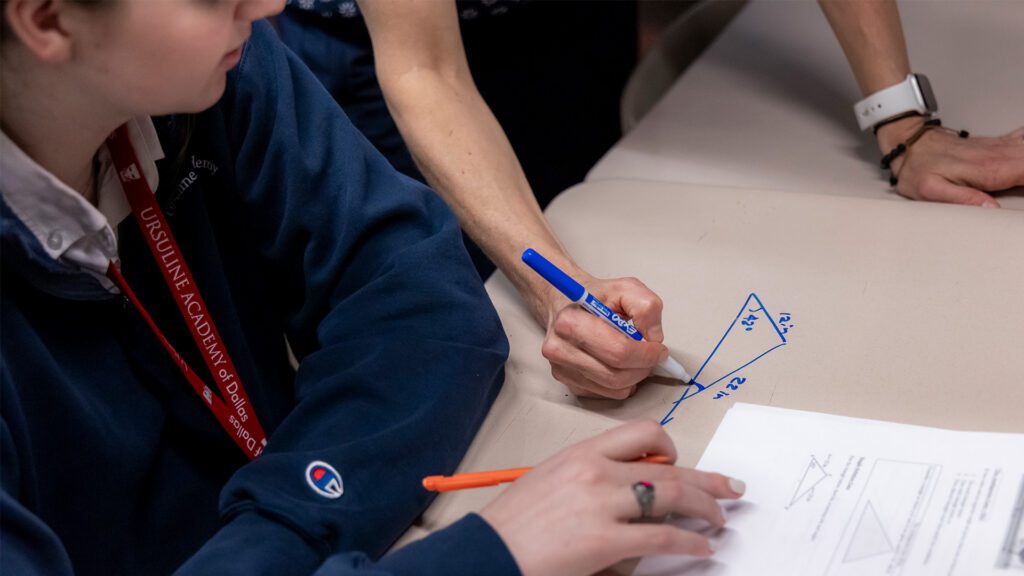
Teachers are at the heart of creating an inclusive classroom. Inclusive teaching begins with building flexibility into lessons so all students can engage with the material meaningfully. Offering choices in how students can learn and show mastery benefits not only neurodiverse learners but also every student.
Small shifts can have a large impact: visual aids, breaking instructions into manageable steps, allowing movement breaks, or giving extra processing time. However, the most powerful tool a teacher can wield is empathy. When teachers believe in the capabilities of every learner and celebrate growth instead of perfection, they create a classroom culture where all students feel seen and capable.
Peers: Allies in Understanding
Social belonging is as important as academic success. For neurodiverse students, peer acceptance can transform the school experience. Teachers and schools can cultivate this by embedding social-emotional learning into the curriculum and explicitly teaching empathy, communication, and perspective-taking.
When students see their peers and teachers using inclusive language, being patient with different communication styles, and celebrating each other’s strengths, those behaviors become the norm. Schools might also encourage “buddy systems” or interest-based groups that bring neurodiverse and neurotypical students together around shared passions, building friendships rooted in mutual respect.
A Shared Vision
When families, educators, and students work together, neurodiverse learners don’t just “fit in,” they flourish. They develop resilience, creativity, and unique problem-solving skills that enrich the entire classroom community. The goal is not to make every mind think alike, but to make every mind feel valued.
By embracing neurodiversity as a strength, schools can model a powerful truth: learning differently is another way of being brilliantly human.
Disclaimer: The information and suggestions in this article are general in nature and reflect personal observations and educational best practices. I am not a specialist nor an expert in neurodivergence or learning differences. Families should seek guidance and support from qualified professionals, such as doctors, psychologists, or educational specialists, when making decisions about their child’s individual needs.