Non-Surgical Spinal Decompression: The Missing Piece in Fixing Your Low Back and Neck Pain
Back and neck pain are among the most common reasons people seek healthcare, affecting daily activities, work, and overall quality of life. For many individuals, the goal is simple: reduce pain, avoid surgery if possible, and return to living an active life. One conservative option gaining attention in chiropractic and rehabilitative settings is non-surgical spinal decompression.
What is non-surgical spinal decompression?
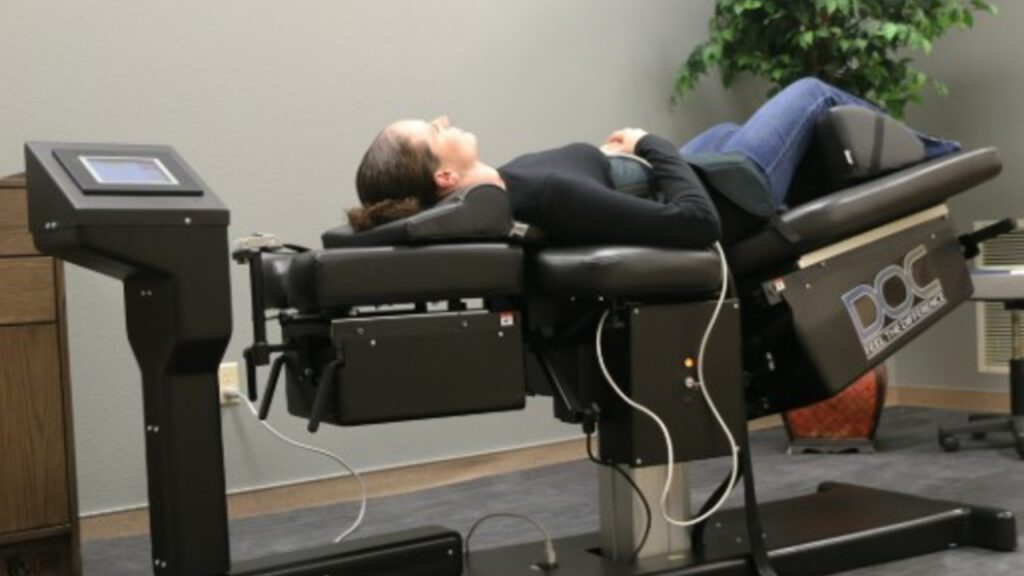
Non-surgical spinal decompression is a gentle, computer-controlled form of traction designed to reduce pressure on the spine and surrounding nerves. During treatment, patients lie comfortably on a specialized table while targeted forces are applied and released in a controlled pattern-We call this a pumping mechanism. This approach allows spinal muscles to relax while specific areas of the spine are gently decompressed.
Unlike traditional traction, modern decompression systems are programmed to adjust forces based on patient comfort and clinical findings. Treatments typically last 15–30 minutes and are often combined with chiropractic care, Class IV Laser, Softwave therapy, corrective exercises, and lifestyle recommendations.
How decompression may help
The spine is made up of vertebrae separated by intervertebral discs, which act as shock absorbers of our spine. Over time, and sometime after injury, these discs can bulge, herniate, or lose their hydration, placing pressure on nearby nerves. Decompression aims to reduce this pressure, which may help calm irritated nerves, improve mobility, and promote a healthier spinal environment.
While decompression does not “push discs back into place,” it may help reduce mechanical stress and create conditions that support the body’s natural healing processes.
Conditions commonly treated
Non-surgical spinal decompression is most often recommended for people with specific mechanical causes of back or neck pain, including:
- Disc bulges and disc herniations
- Sciatica and radiating leg or arm pain
- Degenerative disc changes
- Pinched nerves (radiculopathy)
- Certain cases of chronic neck or low back pain
What results can patients expect?
Results vary based on the condition, severity, and consistency of care. Many patients who respond well report gradual improvements over several weeks, including reduced radiating pain, improved movement, and better tolerance for daily activities such as sitting, walking, or exercising.
Importantly, decompression works best as part of a comprehensive care plan. Strengthening the core, improving posture, and addressing movement habits are key factors in achieving lasting results.
Who is (and isn’t) a good candidate?
Non-surgical spinal decompression is not appropriate for everyone. Individuals with fractures, advanced osteoporosis, spinal instability, certain post-surgical conditions, or progressive neurological symptoms may not be candidates. A thorough evaluation, and imaging when indicated, is essential before beginning care.
The takeaway
For individuals looking to manage disc-related back or neck pain without surgery, non-surgical spinal decompression can be a valuable conservative option. When thoughtfully applied and combined with active rehabilitation, it offers a non-invasive path toward pain relief, improved function, and a return to everyday life.
If you’re interested in learning more about Decompression Therapy, visit our website at www.midwestchiroandwellness.com or call us at 952-303-4590.