Nourishing the Mind: How Diet Impacts Mental Health
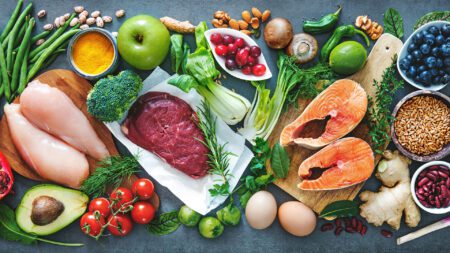
It’s time to navigate anxiety and despair with diet and exercise, which involves focusing on whole, anti-inflammatory foods while reducing processed items and incorporating a healthy pattern that stabilizes blood sugar and supports gut health. Nutritional strategies include eating plenty of fruits, vegetables, omega-3-rich fish, and beans, while limiting sugar, refined grains, caffeine, and alcohol. Meal prepping is as essential as proper hydration, and mindful eating can further support mental well-being. Take a 30 minute walk daily to release all those great endorphins that fuel our brains. Walking is the most underrated exercise of all.
A Recipe for Mental Health
By eating healthy, you feel good. Your body receives sustained energy and nutrients, leading to stable moods and focus, while eating junk food can cause a temporary high from sugar and fat, followed by a crash and feelings of guilt. Junk food triggers the brain’s reward system with dopamine, but this is a fleeting effect that can lead to cravings, while healthy foods provide long-lasting physical and mental benefits.
The reason why you feel good after eating healthy foods, especially complex carbohydrates, is that they provide a steady release of energy, eliminating potential energy crashes and mood swings.
- Complex carbohydrates are foods we should opt for that contain whole grains, oats, beans, and vegetables to provide steady energy and promote serotonin production.
- Fatty fish like salmon, walnuts, chia seeds, and flax seeds contain omega-3 fatty acids, which have anti-inflammatory properties that support brain function.
- Lean proteins are great sources of amino acids that are important for synthesizing neurotransmitters involved in mood regulation. Poultry, fish, and lentils are a few.
- Probiotic foods are linked to reducing anxiety. Fermented foods such as yogurt, kefir, sauerkraut, and kimchi can support a healthy gut microbiome.
- Leafy green vegetables are especially beneficial for brain health. A high intake of fruits and vegetables is associated with lower odds of depression and mood disorders.
- Foods rich in magnesium provide mood management when high-fiber nuts, seeds, legumes, dark chocolate, and whole grains are included.
- Stay hydrated. Dehydration can only worsen anxiety symptoms, so drink plenty of water throughout the day. Try to make your goal of drinking half of your body weight in ounces.
Try to limit and avoid highly processed foods. Ultra-processed foods, sugary drinks, and refined grains can contribute to inflammation, which is linked to anxiety and depression and can lead to a cognitive decline. Fried foods and fast foods are often high in unhealthy fats and contribute to inflammation. Limit caffeine and alcohol; these substances can negatively impact mood and exacerbate anxiety symptoms. Skipping meals or eating erratically can cause blood sugar spikes and intensify stress. Following a balanced eating pattern will not only improve your gut health it will also stabilize blood sugar and prevent “sugar crash” and fatigue.
Eat mindfully, and nourish your body! Try to pay attention to your meals, eat slowly, and focus on your food to improve digestion and recognize emotional eating triggers.