Protecting Your Vision on the Pickleball Court
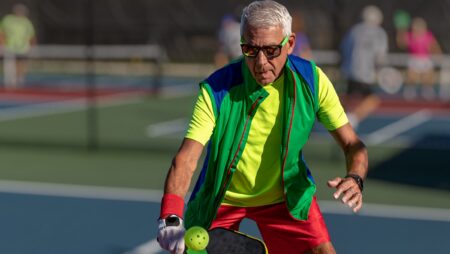
Pickleball has exploded in popularity across the country, especially among adults over 50 who enjoy its fun, social, and low-impact pace. However, with its rise in popularity has come a concerning trend — a surge in serious eye injuries related to the sport.
A recent Medscape report revealed that more than 3,100 pickleball-related eye injuries were treated in U.S. emergency departments between 2005 and 2024, and nearly 70 percent occurred in players aged 50 and older. The number of cases continues to climb, with over 1,200 eye injuries in 2024 alone.
While pickleball is generally considered a safe and social game, the combination of fast-moving plastic balls, compact courts, and close-range volleys can put eyes in harm’s way. Reflexes can slow slightly with age, depth perception can change, and conditions such as cataracts or glaucoma may subtly affect reaction times.
Eye injuries from pickleball can range from corneal abrasions and orbital fractures to hyphema (bleeding in the eye) and retinal detachment. Even mild trauma can cause lasting vision changes if not addressed quickly. If you ever experience redness, soreness, floaters, flashes of light, or blurred vision after being struck in the eye, it’s important to be evaluated right away.
The good news is that most pickleball-related eye injuries are completely preventable. Here’s how to keep your eyes safe while enjoying the sports you love to play:
- Wear impact-resistant eyewear. Use polycarbonate sports goggles or glasses rated to ASTM F803 standards. Regular sunglasses are not designed to protect against impact. We often recommend Trivex, which is lighter, more scratch-resistant, and offers improved optical clarity compared to polycarbonate.
- Use single-vision lenses while playing. Progressive or bifocal lenses can distort depth perception and court awareness.
- Stay hydrated and keep eyes lubricated. Dry or irritated eyes can affect focus and delay reaction time.
- Know the warning signs. Flashes, floaters, or sudden vision loss after impact may signal retinal damage — seek prompt medical attention.
At SouthWest Vision, we’re passionate about helping our patients protect their most valuable piece of sports equipment — their eyes. Whether you’re a seasoned athlete or new to the pickleball craze, our doctors provide comprehensive eye exams, protective eyewear recommendations, and treatment for sports-related eye injuries to keep you seeing clearly and playing confidently.
Get clarity and confidence with sports-specific eyewear from SouthWest Vision — your doubles partner will thank you.
Call 435-673-5577 or visit www.SouthWestVision.com to schedule your appointment today.
Dr. Hutchins recently joined SouthWest Vision and is now accepting new patients. His background includes specialization in sports vision, concussion rehabilitation, and neuro-visual training. He has worked with professional and elite athletes, including MLB players, U.S. Air Force personnel, and U.S. Olympic Ski Team members.