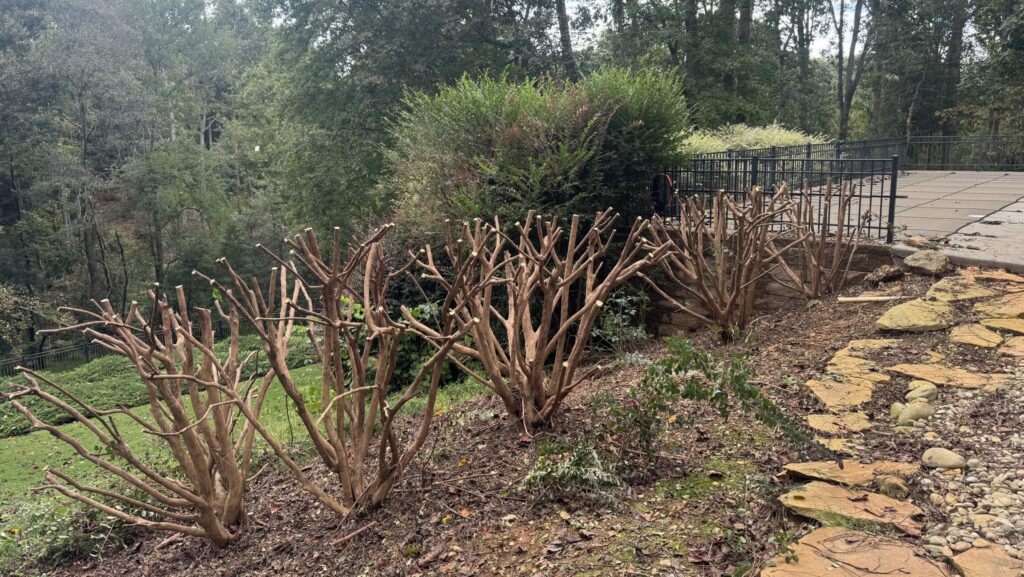
Pruning is Not Punishment
In the verdant landscape of South Carolina’s Upstate, the rhythm of gardening is dictated by a humid subtropical climate, characterized by hot, humid summers and generally mild, but occasionally sharp, winters. For gardeners in Greenville, aligning major tasks like hard pruning and plant installation with this rhythm is not just a recommendation—it is the key to cultivating a thriving and resilient landscape. The best time for these intensive activities converges during the quiet, dormant period of late winter, offering a strategic window of opportunity before the explosive growth of spring.
The period from late January through February is the undisputed champion for hard pruning most trees and shrubs in Greenville. This timing is advantageous for several reasons. First, with the sap down and the plant in a state of dormancy, the stress from such a significant removal of branches is minimized. The architecture of the deciduous plant is fully visible, allowing for precise cuts that shape the plant and remove dead, damaged, or diseased wood. Furthermore, pruning just before the spring surge of growth means the plant will quickly heal its wounds, reducing the window of opportunity for pests and diseases to invade. A critical exception to this rule are spring-blooming shrubs like azaleas, forsythia, and loropetalum, which set their flower buds on the previous year’s growth. Pruning these in late winter would sacrifice the seasonal display; they are best pruned immediately after their flowers fade.
Coinciding perfectly with the ideal pruning window is the premier season for installing most hardy trees, shrubs, and perennials in the Greenville area. Planting in late winter, from February into early March, provides the most favorable conditions for root establishment. The cool, moist soil and mild air temperatures allow new plants to focus their energy on developing a robust root system without the simultaneous demand of supporting top growth or battling the scorching heat. By the time the intense heat and potential drought stress of a Greenville summer arrive, a fall- or late-winter-planted specimen has a well-established root system capable of seeking out moisture and anchoring the plant securely. This gives it a significant survival advantage over a plant installed in the heat of May or June, which will require constant, vigilant watering to avoid transplant shock.
In conclusion, while gardening is a year-round passion in Greenville, the most impactful groundwork for long-term success is laid during the calm of late winter. By wielding the pruning saw and the shovel during this dormant season, gardeners work in harmony with nature’s cycle. They prepare their plants for a season of vigorous, healthy growth and beautiful blooms, ensuring the landscape is not only surviving but truly thriving in the face of the coming summer heat. This strategic patience is the hallmark of a master gardener in the Upstate.
natures-canopy.com