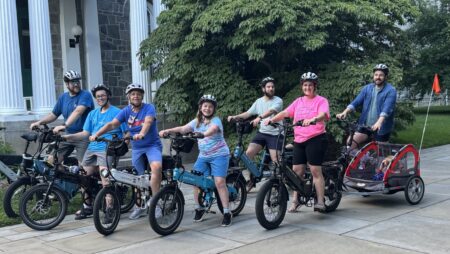
Riding Toward Access: E-Bike Laws, Safety and Etiquette
Electric bicycles, better known as e-bikes, are changing the way people move through our communities and trails. They are not scooters, mopeds or motorcycles. They are bicycles first, equipped with pedals and designed to be powered by human effort with the option of electric assist. That distinction matters. Scooters and mopeds fall under different legal categories, often requiring licensing and registration. E-bikes, by contrast, are regulated as bicycles in Pennsylvania, making them accessible to riders of all ages and abilities.
Pennsylvania law defines an e-bike as a pedal cycle with electric assist that weighs no more than 100 pounds, has operable pedals and is powered by a motor of 750 watts or less. The motor cannot propel the bike faster than 20 miles per hour on its own, and it must shut off when braking. Devices that exceed these limits are not considered e-bikes and may be prohibited on trails or require licensing as mopeds or motorcycles.
The Pennsylvania Department of Conservation and Natural Resources (DCNR) permits e-bikes on most trails and public-use roads where traditional bicycles are allowed, with exceptions for natural areas, designated hiking trails and routes marked closed to biking. On non-motorized trails, riders must pedal or use pedal-assist; throttle-only riding is prohibited. On motorized trails and public-use roads, e-bikes are generally welcome unless signage indicates otherwise.
Local rules also apply. The Schuylkill River Trail, one of the region’s most popular multi-use paths, enforces a 15-mile-per-hour speed limit for all bicycles, including e-bikes. This limit reflects the trail’s heavy use by walkers, runners and families, and it underscores the importance of adjusting speed for conditions and respecting shared spaces.
“On the Schuylkill River Trail, all bikes—including e-bikes—must stay under 15 mph.”
Age and helmet requirements also matter. Riders must be at least 16 to operate an e-bike on state or local highways. Helmets are required for riders under 12, but safety experts strongly recommend helmet use for all ages. Simply put, helmets save lives.
Safety is about more than equipment. Riders must control their speed, remain visible with lights and reflective gear and avoid distractions such as headphones. Riding defensively—anticipating the actions of drivers, pedestrians and other cyclists—keeps everyone safer. Trail etiquette ensures harmony: Wheels yield to feet, riders announce their presence when passing and everyone stays on designated paths to protect ecosystems.
E-bikes expand opportunities for recreation and transportation, allowing people of varying ages and abilities to enjoy cycling. They reduce reliance on cars, promote healthier lifestyles and connect communities. By following the law, respecting trail etiquette and prioritizing safety, riders ensure that e-biking remains a welcome and inclusive part of our neighborhoods and natural spaces.