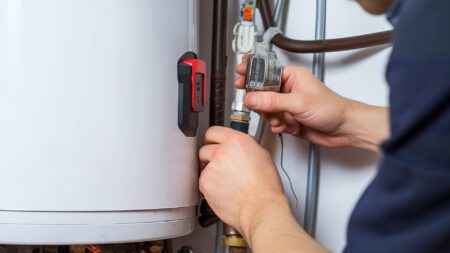
Simple Steps to Extend the Life of Your Water Heater
Hot water is one of those everyday comforts we tend to take for granted—until it’s gone. From morning showers and washing dishes to doing laundry, your water heater plays a key role in keeping your household running smoothly. Like most home systems, water heaters don’t last forever, and the cost to replace them has increased significantly in recent years. Fortunately, with a little preventative care, homeowners can often extend the life of their water heater and improve its efficiency.
Flush Sediment Annually
Most tank-style water heaters naturally collect sediment at the bottom of the tank over time. This sediment comes from minerals in the water supply and is especially common in areas with harder water. You don’t need to completely drain the tank each year, but draining several gallons from the bottom can help flush out buildup. Removing sediment allows the heater to transfer heat more efficiently, reduces noise, and minimizes stress on the tank, all of which can help extend its lifespan.
Understand the Importance of the Anode Rod
Inside every tank-style water heater is an anode rod, often called a sacrificial rod. Its purpose is to corrode instead of the steel tank, protecting it from rusting from the inside out. Over time, this rod wears down and becomes less effective. Typically, it should be inspected every few years and replaced when depleted.
For newer water heaters, one option to consider is a powered anode rod made of titanium. These rods use a small electrical current to prevent corrosion rather than sacrificing metal. When installed early in the life of a water heater, they can significantly slow corrosion and help extend the life of the tank.
Tankless Water Heaters Need Regular Maintenance
Tankless water heaters are efficient and compact, but they are not maintenance-free. Manufacturers require annual maintenance, which includes flushing the system with a specialized descaling solution to remove mineral buildup from the heat exchanger. In addition, inlet filters should be cleaned regularly. Skipping this maintenance can reduce efficiency, cause error codes, and shorten the life of the unit.
Water Pressure and Water Quality Matter
Excessive water pressure puts added stress on your plumbing system and water heater, increasing the likelihood of leaks and premature failure. Water pressure should be tested periodically and adjusted if necessary. Water quality also plays a major role. Hard water and high levels of chlorine or chloramine can accelerate wear on water heaters and plumbing fixtures. Installing a properly sized water softener and filtration system can help protect your investment while also improving the quality of water throughout your home.
When to Call a Professional
While some homeowners are comfortable performing basic maintenance, many prefer the peace of mind that comes with professional service. A licensed plumber can safely handle water heater maintenance, pressure testing, and water quality evaluations. If you have questions or would like help maintaining your water heater, Champion Plumbing is here to help.
651-365-1340