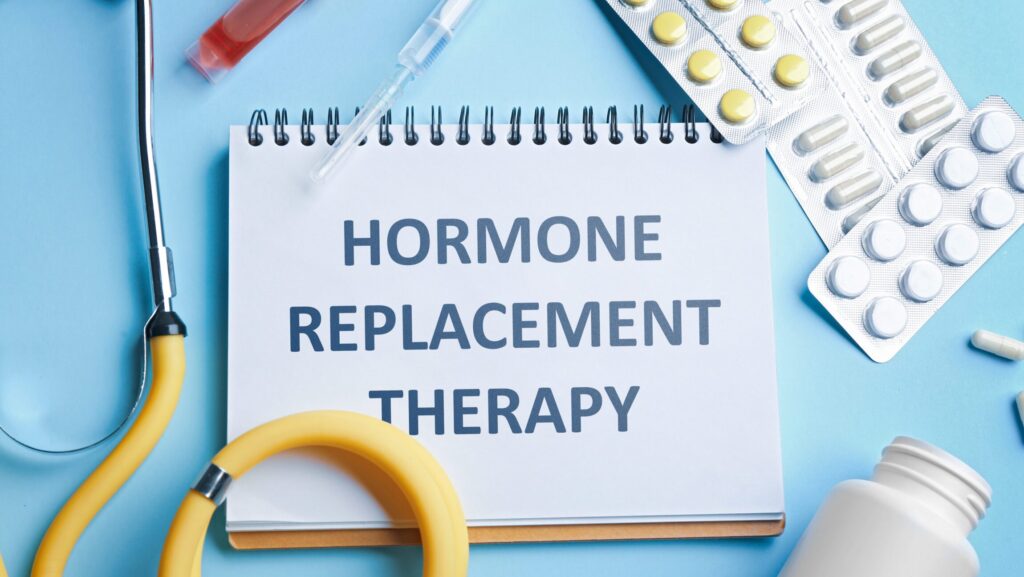
The FDA Updates Hormone Replacement Therapy: What It Fixes and What It Misses
For decades, hormone replacement therapy (HRT) has carried unnecessary fear for many women. The fear was driven by misleading language, outdated science, and misinterpreted data from the Women’s Health Initiative. In late 2025, the FDA demonstrated a new commitment to women’s health: it announced the removal of the long-standing “black box” warning on many HRT products. While meaningful, this change does not yet solve all the shortcomings in treating women’s hormone health.
1. What the FDA Did — and Why It Did It
HRT carries fearful labeling for risks of cardiovascular disease, breast cancer, and probable dementia. The FDA removed these warnings after acknowledging they were overstated and failed to reflect modern evidence. These warnings also failed to capture the safety of modern, bioidentical formulations and patient demographics. Today, bioidentical HRT started in younger women has demonstrated substantially lower risks and clearer benefits when individualized to the woman.
However, while the FDA corrected one major misstep, it did not broaden the scope of what hormones are considered “essential” for women’s health.
2. Women Still Aren’t Routinely Offered Important Hormones
Despite this progress, three critical hormones remain largely ignored in standard women’s healthcare: testosterone, dehydroepiandrosterone (DHEA), and estriol.
- Testosterone is not a “male hormone.” It can play a critical role in libido, motivation, muscle mass, bone density, cognitive clarity, and overall vitality. Levels drop by over 50% by midlife. Yet most women are never tested, counseled, or offered treatment—even when symptoms are obvious.
- DHEA, a precursor to both estrogen and testosterone, also declines with age and chronic stress. Low DHEA levels are associated with fatigue, reduced stress resilience, mood changes, impaired immune function, and genitourinary symptoms. Again, testing and replacement are rarely discussed.
- Estriol plays a significant role in vaginal, urinary, skin, and immune health, and it can provide many local benefits without the systemic risks associated with higher-potency estrogens.
The lack of FDA-approved prescriptions or guidance specifically for women leads to them being told their labs are “normal” while their quality of life steadily declines.
3. Why Traditional HRT Still Misses the Mark
A woman’s optimal hormone balance is often unique and may require “nonstandard” doses and combinations. Compounding pharmacies are essential for many women to achieve the right dose and delivery method (e.g., cream). No two women are identical. But estrogen is only part of a woman’s hormone health. Cortisol, insulin, and thyroid balance are often overlooked in women, resulting in partial improvement at best and persistent symptoms at worst. This fragmented approach explains why some women feel “better, but not right” on standard HRT.
Optimizing women’s health requires a holistic diagnostic and treatment plan, not simply replacing hormones and hoping for the best.
A More Complete Path Forward
The FDA’s decision is a welcome and overdue acknowledgment that HRT deserves nuance, not fear. But true progress in women’s health will require moving beyond minimal standards toward comprehensive, individualized care. Hormone replacement is not optional – it can be lifesaving.