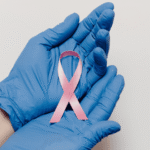
The Hidden Connection Between Skin Cancer and Breast Cancer
When it comes to protecting your health, knowledge truly is power. Most people know the importance of regular skin checks and mammograms, but what many don’t realize is that skin cancer – especially melanoma – and breast cancer can be linked. Understanding this connection can help you take even better care of your health.
How Are They Connected?
Recent studies have found that people who have had melanoma are more likely to develop breast cancer later on. The reverse is also true – breast cancer survivors have a higher chance of developing melanoma. While the connection might seem surprising, there are a few possible reasons behind it.
Some of it comes down to genetics. Certain inherited gene mutations, such as BRCA2 (Breast Cancer Gene 2), are known to increase the risk of both breast and skin cancers. Hormones may also play a role, as estrogen and other factors can influence how certain cancer cells grow. And finally, environmental exposure – especially UV damage from the sun – can lead to changes in the skin’s DNA over time, increasing the risk for melanoma.
Why This Matters for You
If you have a personal or family history of either breast cancer or melanoma, it’s important to be extra vigilant with your screenings. For those who have had breast cancer, scheduling annual full-body skin checks with a board-certified dermatologist can help detect any early signs of skin cancer.
Likewise, if you’ve been treated for melanoma, don’t skip your mammograms. Staying consistent with breast screenings and communicating openly with your doctors about your medical history can make a real difference in catching potential issues early.
Early detection is key – both melanoma and breast cancer have much better outcomes when found in their earliest stages.
Prevention and Awareness Go Hand in Hand
At Skin & Laser Center of NJ, we remind our patients that prevention starts with small, daily habits. Wear broad-spectrum sunscreen every day (yes, even in the winter), avoid tanning beds, and seek shade when the sun is strongest. Make a habit of checking your skin once a month – look for any new, changing, or unusual spots, and let your dermatologist know right away if something doesn’t look right.
Given the importance of proactive care – our practice utilizes one of the world’s most advanced and rare, radiation-free, full-body imaging system. With over 90 cameras, our “Spotter 360” builds a personalized skin avatar that tracks lesions with exceptional accuracy, highlights risky changes, and reduces unwarranted biopsies.
For breast health, keep up with regular mammograms, perform monthly self-exams, and don’t hesitate to discuss any changes you notice with your healthcare provider.
Whole-Body Wellness
Your skin is your body’s largest organ – and it often reflects what’s happening inside. By thinking about your health as a whole rather than in separate parts, you can take a more proactive, preventive approach to your well-being.
At SLCNJ, our goal is to keep your skin healthy, radiant, and protected – while supporting your overall wellness. Because when you care for your skin, you’re caring for your whole self.
When to See a Dermatologist
Tip: Even if your skin looks healthy, an annual visit with a board-certified dermatologist can help catch potential issues early and give you peace of mind.