The Hidden Dangers of Frozen Pipes in Winter
Winter brings picturesque snowfall, festive holidays, and cozy nights indoors — but it also introduces serious risks to homes and buildings. One of the most costly and dangerous winter hazards is frozen pipes. While frozen pipes may seem like a minor inconvenience, they can cause extensive property damage, create health hazards, disrupt daily life, and lead to expensive repairs. Understanding why pipes freeze, the dangers they pose, and the consequences of ignoring the problem is essential for homeowners, renters, and property managers alike.
Why Pipes Freeze
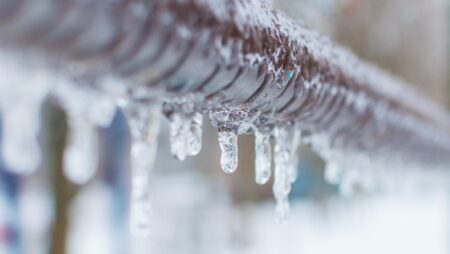
Pipes freeze when temperatures drop below 32°F (0°C) and water inside them turns to ice. As water freezes, it expands. This expansion puts immense pressure on pipes, particularly those made of copper, PVC, or galvanized steel. Pipes located in unheated or poorly insulated areas — such as basements, crawl spaces, attics, garages, and exterior walls — are especially vulnerable.
Even pipes inside the home can freeze if cold air reaches them through cracks, gaps, or insufficient insulation. A sudden cold snap, power outage, or prolonged absence from the home can increase the likelihood of frozen pipes. Contrary to popular belief, it is not the freezing itself that causes the most damage but the pressure buildup between the ice blockage and the closed faucet, which often leads to pipe bursts.
Burst Pipes & Water Damage
One of the most severe dangers of frozen pipes is the potential for bursting. When a pipe bursts, it can release hundreds of gallons of water into a home in a matter of minutes. This flooding can damage walls, floors, ceilings, insulation, furniture, and personal belongings. Water can seep into structural components, weakening the integrity of the building and leading to long-term problems. Water damage often extends beyond what is immediately visible. Moisture trapped behind walls or under floors creates ideal conditions for mold growth, which can develop within 24 to 48 hours. Mold not only damages materials but also poses health risks, particularly for individuals with asthma, allergies, or compromised immune systems. In severe cases, entire sections of a home may require demolition and reconstruction.
Financial Costs
The financial consequences of frozen and burst pipes can be significant. Repairs include professionally drying the section(s) of the structure affected and, potentially, replacing damaged pipes, repairing drywall, restoring flooring, repainting, and replacing furniture or appliances. Depending on the extent of the damage, costs can range from a few hundred dollars to tens of thousands.
Health & Safety Hazards
Frozen pipes can also create health and safety risks. When water lines freeze, access to clean running water may be disrupted. This can prevent proper handwashing, sanitation, cooking, and drinking water access. In homes with frozen sewer lines, wastewater backups can occur, posing serious hygiene and contamination concerns. In extreme situations, attempts to thaw frozen pipes using unsafe methods — such as open flames, blowtorches, or space heaters — can lead to fires, burns, or carbon monoxide exposure. Every winter, house fires are caused by improper pipe-thawing techniques, turning a plumbing issue into a life-threatening emergency.
Prevention is Critical
The dangers of frozen pipes highlight the importance of prevention. Proper insulation, maintaining indoor heat, sealing drafts, and allowing faucets to drip during extreme cold are simple measures that can significantly reduce risk. Awareness and preparation are far less costly than dealing with the aftermath of a burst pipe.
Conclusion
Frozen pipes are far more than a winter nuisance — they are a serious threat to homes, health, finances, and safety. From catastrophic water damage and mold growth to fire hazards and infrastructure disruptions, the consequences can be devastating. As winter temperatures drop, vigilance and proactive measures are essential. By understanding the dangers of frozen pipes and taking steps to prevent them, homeowners and communities can protect their property, their health, and their peace of mind throughout the coldest months of the year.
Disaster Relief
716-560-7525