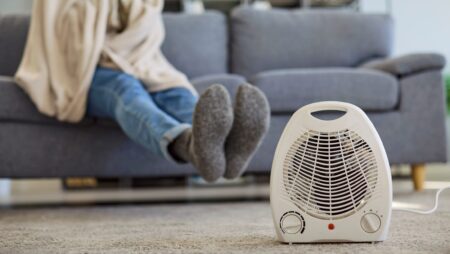
The Truth About Space Heaters and Winter Fire Risks
Every winter here in Springfield, homeowners try to fight the cold with a quick, portable solution: the space heater. They’re convenient, affordable, and effective—but they’re also one of the leading causes of winter house fires nationwide. As your local electrician and someone who has seen the aftermath of electrical hazards firsthand, I want to help you understand the real risks and the right way to use space heaters safely.
Why Space Heaters Are So Dangerous
According to national fire data, space heaters are involved in thousands of home fires each year, most of which happen between December and March. What surprises most homeowners is that the danger isn’t usually the heater itself—it’s how it’s used.
Here are the most common causes:
- Plugging space heaters into power strips or extension cords
- Running heaters on circuits already near their limit
- Placing heaters too close to furniture, bedding, curtains, or Christmas trees
- Leaving them running while asleep or out of the house
- Using older heaters with outdated safety features
Because space heaters draw a lot of power—often 1,500 watts—they can overload circuits quickly, especially in older homes around Springfield.
The #1 Rule: Never Use a Power Strip
If you take only one thing from this article, let it be this: A space heater must always be plugged directly into a wall outlet.
Power strips and extension cords are not designed to handle the heat and electrical draw. They can melt, spark, or catch fire without warning. Every winter, this is the primary cause of preventable home fires.
Circuit Overload: A Hidden Danger in Older Homes
Many Springfield homes were built long before space heaters were common, meaning circuits are not designed for this kind of demand.
A single heater on a bedroom or family room circuit—especially if lights, TVs, and chargers are already in use—can easily overload the wiring. Signs you’re pushing the system too far include:
- Flickering lights
- Warm or discolored outlets
- Frequent breaker trips
- A burning smell near outlets or the panel
These are not “normal winter quirks”—they’re warning signs that a fire hazard is developing.
Safe Operating Tips Every Homeowner Should Follow
If you’re using a space heater this winter, here’s how to keep your home safe:
- Keep at least 3 feet of open space around the heater
- Plug it directly into a dedicated wall outlet
- Turn it off before sleeping or leaving the house
- Choose modern units with tip-over and overheat protection
- Avoid using heaters in bathrooms unless rated for damp locations
- Inspect cords for damage every season
If your heater’s cord gets even slightly warm, unplug it immediately.
If You Depend on Space Heaters, Your Home May Need Upgrades
Many homeowners use space heaters because certain rooms never get warm enough. This is often a sign of:
- Undersized electrical circuits
- An aging HVAC system
- Poor insulation
- Rooms added without updating electrical loads
Sometimes the safest—and most cost-effective—solution is upgrading the circuit or adding a dedicated line.
A Safer Winter Starts With Awareness
Space heaters can be helpful tools, but they must be used with respect. A few small adjustments can prevent a major disaster. If you have concerns about a circuit, flickering lights, or the safety of your outlets, JDV Electric is always here to help keep your home warm, safe, and protected.
Stay safe, Springfield—winter’s just getting started.