The Upgrade Advantage: How Strategic Improvements Protect the Value of Your 80s–90s Chapel Hill Home
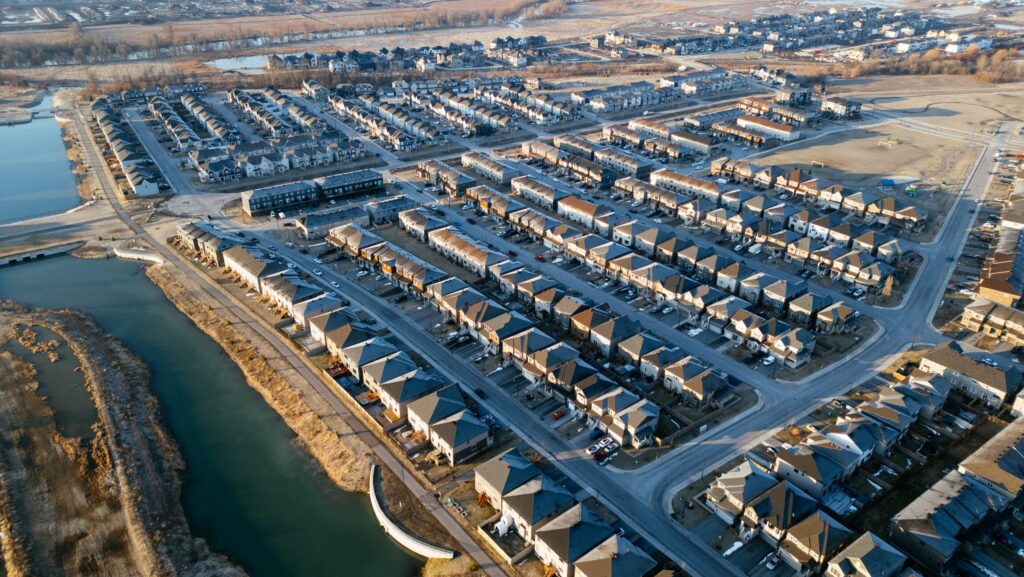
Chapel Hill is home to some of the most well-cared-for properties in the east end, many built in the 1980s and 1990s and lovingly maintained over the years. As buyers enter the market today, their expectations have evolved, and understanding those expectations can help homeowners make informed decisions when planning a future move. Not every home needs updating, and many are already in excellent condition, but for those considering improvements or wondering how their home aligns with what buyers are looking for, it can be helpful to understand a few current trends.
Buyers today often prefer homes that feel move-in ready simply because renovation costs remain high and financing major projects after securing a mortgage is more challenging than it used to be. With busy schedules and limited spare time, many families look for homes that already offer modern conveniences and updated spaces. This does not mean that every home must be fully renovated to be successful on the market. It simply means that if your home does have areas that are older or nearing the end of their lifecycle, addressing them gradually or strategically can make your future sale smoother and more appealing to buyers.
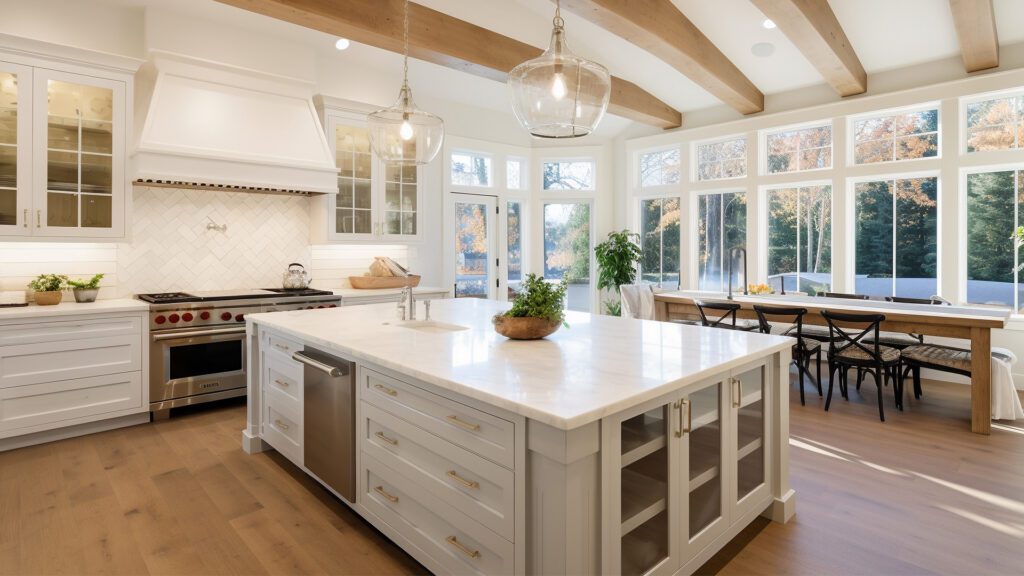
Small improvements can also go a long way. Fresh lighting, newer flooring, updated hardware, or modest bathroom refreshes can help a home feel current without requiring major investment. These changes tend to compound over time, showing buyers that the home has been thoughtfully cared for. For homeowners who enjoy updating their spaces, this can be a meaningful way to protect long-term resale value.
For those considering larger projects, it is natural to wonder about return on investment. A common question is whether a substantial renovation will translate directly into a higher sale price. For example, if a home is worth $700,000 today, would spending $100,000 increase its value to $800,000? The answer depends on the type of work, how it fits within the neighbourhood, and what buyers are prioritizing. It is possible to over-improve a home for its location, so getting clear guidance before committing to major renovations is important. Understanding what that investment will realistically achieve can help avoid unnecessary costs.
If renovations are not in the plans, that is completely fine. Many sellers choose to sell their homes in original or mostly original condition, and with the right pricing strategy and preparation, they still achieve excellent results. The key is simply understanding how your home compares to others on the market and how buyers are likely to perceive it. Appropriate positioning can make a meaningful difference, regardless of whether updates have been completed.
As the spring market approaches, buyers will continue to appreciate homes that offer modern comfort, efficient systems, and the sense that a property has been well maintained over time. Whether your home is fully updated or has areas that could be improved, thoughtful planning can help ensure a successful sale when the time comes.
If you are considering a future move and are unsure which updates matter most or whether renovations would provide a worthwhile return, seeking guidance from a trusted Realtor can help you make confident, informed decisions.
Tristan Pelletier is a REALTOR® with Pelletier Real Estate Team.