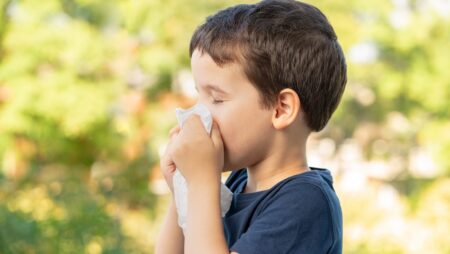
‘Tis the Season to Be Sneezin’: Supporting Your Child’s Immune System During Winter”
As the days get shorter and the weather turns cold, many families notice the same pattern: sniffles, sneezes, and the start of cold and flu season. With the time change and more time spent indoors, viruses spread easily. The good news is that there are practical, everyday ways to support your child’s immune system and help reduce the number of sick days this winter.
First, it starts with the basics: sleep and nutrition. Make sure your child’s sleep routine stays consistent, even during busy holiday weeks. Most school-age children need about 8–10 hours of sleep each night; younger children often need more. Sleep is when the immune system “recharges,” and children who are overtired tend to get sick more often and recover more slowly.
Nutrition matters just as much. Protein is one of the key building blocks of a healthy immune system. Try to include a good source of protein at breakfast—eggs, yogurt, nut butters, cheese, or beans—so your child starts the day with steady energy and the amino acids their body needs for growth and immune support.
The holidays bring lots of treats, and sugar is everywhere from Halloween through New Year’s. It’s perfectly okay to enjoy special foods, but moderation is important. Too much sugar can leave kids feeling sluggish, disrupt the gut, and make it harder for them to focus in school. Balancing sweets with nourishing meals helps support both mood and immunity.
Vitamins can also play a role. During winter, many children benefit from enough vitamin D (from safe sun exposure, fortified foods, or supplements when needed), as well as vitamin C and vitamin A. These nutrients are found in leafy greens, colorful fruits and vegetables, sweet potatoes, carrots, berries, and citrus. If picky eating is a challenge, talk with your pediatrician about appropriate supplementation.
Don’t forget the gut. A healthy microbiome supports immune function. Encourage fiber-rich foods and consider probiotics if your child has frequent stomach issues or they’ve recently taken antibiotics. Fermented foods such as yogurt, kefir, sauerkraut, pickles, and kimchi can help maintain good gut bacteria.
For children prone to seasonal allergies, local honey may be a gentle option in small amounts for those over age one. It can also be a natural way to sweeten foods without added sugar.
Finally, keep up the simple habits: handwashing, staying hydrated, and getting fresh air when possible. Small daily choices add up—and can make this season a little less “sneezin’” and a lot more joyful.