Weight Management With GLP-1 Medications: A Guide to Modern Metabolic Health
Weight management is not just about willpower or eating less. It’s influenced by many factors, including genetics, hormones, sleep, stress, environment, and how the brain regulates hunger and fullness. For many people, the body naturally works to defend its current weight. When someone tries to lose weight, the brain may increase hunger and slow down metabolism in an effort to “protect” the body from what it perceives as starvation. This is one reason why long-term changes can feel so difficult, even when someone is trying hard to eat well and stay active.
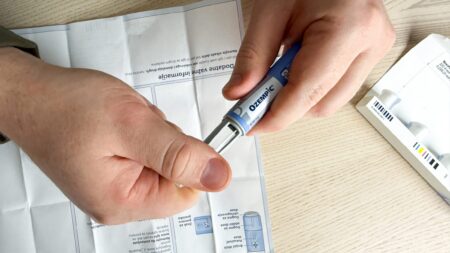
In recent years, a group of medications called GLP-1 receptor agonists (Wegovy®, Ozempic®) has become more widely used to help support people with weight and metabolic challenges. GLP-1 is a natural hormone released by the gut after we eat. It helps tell the brain that we are full, slows how quickly food leaves the stomach, and helps regulate blood sugar levels. GLP-1 medications work by mimicking this hormone, helping people feel satisfied sooner, think about food less often, and better manage hunger signals throughout the day.
For many individuals, these medications don’t eliminate hunger completely, but they help make appetite feel more manageable and less overwhelming. This can create space for people to build healthier habits without feeling constantly preoccupied with food. They also improve how the body handles blood sugar and insulin, which can be especially helpful for people with insulin resistance, prediabetes, or type 2 diabetes.
A newer category of treatment is known as a dual-action incretin medication (Zepbound®, Mounjaro®), with tirzepatide being the drug in this class. Tirzepatide works on two hormone receptors: GLP-1 and GIP, another hormone involved in blood sugar regulation and appetite. By acting on both pathways, it can provide stronger effects on appetite control, blood sugar balance, and metabolic health for some individuals. This dual action has been linked to greater improvements in weight and certain health markers in clinical studies compared to single-pathway GLP-1 medications alone. Some people also find it easier to tolerate, as the GIP effect may reduce certain digestive side effects.
It’s important to understand that these medications are not quick fixes or standalone solutions. They work best as part of a bigger picture that includes balanced nutrition, regular movement, good sleep, and stress management. Eating adequate protein and fiber, staying physically active (especially with strength-based exercise), and prioritizing rest all help support overall health while using these medications. Healthcare providers usually start at lower doses and increase gradually to help the body adjust and minimize side effects.
GLP-1 medications (Wegovy®, Ozempic®) and dual-action medications (Zepbound®, Mounjaro®) are not appropriate for everyone. Like all medications, they come with potential side effects and risks, and they should only be used under the guidance of a qualified healthcare professional. Ongoing follow-up is important to ensure safety, nutrition, and long-term health.
Most importantly, these treatments reflect a growing understanding that weight challenges are not a personal failure, but often the result of complex biological and hormonal factors. When used appropriately and thoughtfully, they can be supportive tools for improving metabolic health, reducing the risk of weight-related conditions, and helping people feel better in their bodies and daily lives.
To discuss your options please contact our clinic or speak with your primary care provider.