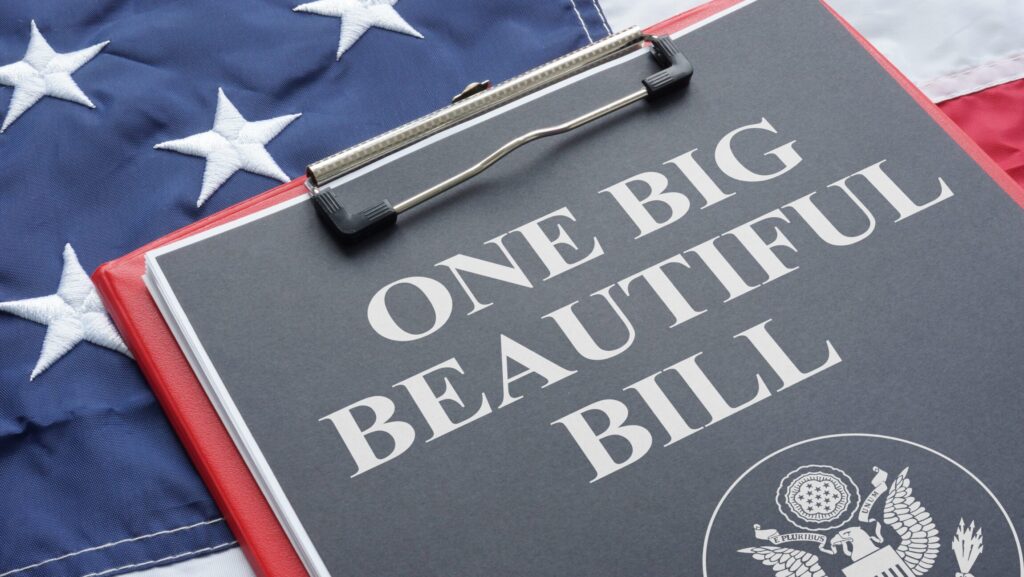
What Changed With the OBBBA and Why It Matters in 2026
The One Big Beautiful Bill Act (OBBBA,) signed into law on July 4, 2025, marks one of the most substantial tax updates in recent years. Building on the framework of the 2017 Tax Cuts and Jobs Act, it makes several key provisions permanent while introducing new incentives and reporting rules. As 2026 begins, both individuals and business owners should understand how these updates could shape their planning for the year ahead.
For business owners
The OBBBA gives businesses more predictability when it comes to deductions and investment planning. One of the most impactful changes is the permanent extension of 100 percent bonus depreciation, allowing companies to fully deduct the cost of eligible equipment, technology and improvements in the year they are purchased. This makes it easier to align investment timing with tax strategy rather than spreading deductions over many years.
The Act also restores immediate expensing for domestic research and development costs, reversing prior rules that required businesses to amortize these expenses. This provides valuable cash flow relief to companies investing in product development, testing and innovation.
Finally, with the 20 percent qualified business income deduction for pass-through entities now permanent, business owners have a reason to revisit their entity structure. Choosing the right mix between salary and distributions, or even between entity types, can have a meaningful impact on overall tax efficiency.
For individuals
For individual taxpayers, the OBBBA solidifies several familiar provisions while introducing changes that can influence planning for 2026 and beyond. First, the lower tax brackets and higher standard deduction established under the 2017 law are now permanent. This prevents the scheduled increase that would have taken effect in 2026 and helps keep filing simpler for many households.
The Act also raises the state and local tax (SALT) deduction cap from $10,000 to $40,000 through 2029, offering relief for taxpayers in higher-tax states and potentially making itemizing more beneficial again.
In addition, the rules for charitable giving have been updated. Taxpayers who itemize may only deduct contributions that exceed 0.5 percent of their adjusted gross income, while those who do not itemize can now deduct a limited amount of charitable giving above the line. These shifts encourage more intentional planning around donations, especially for households that give regularly or in larger amounts.
Lastly, the federal estate and gift tax exemption increases to $15 million per person (or $30 million for married couples) expanding opportunities for tax-efficient wealth transfer. While this higher threshold creates flexibility, it is always subject to future legislative change, making timely review worthwhile.
The bottom line
The OBBBA includes many additional rules and technical provisions beyond the highlights listed here, and the impact will vary by taxpayer. While it does not rewrite the entire tax code, it resets several areas that influence everyday financial decisions for both individuals and businesses. Understanding these changes early can help you make informed choices about timing and strategy. Before making major decisions, consult a qualified tax professional or financial advisor to understand how these updates apply to your situation.