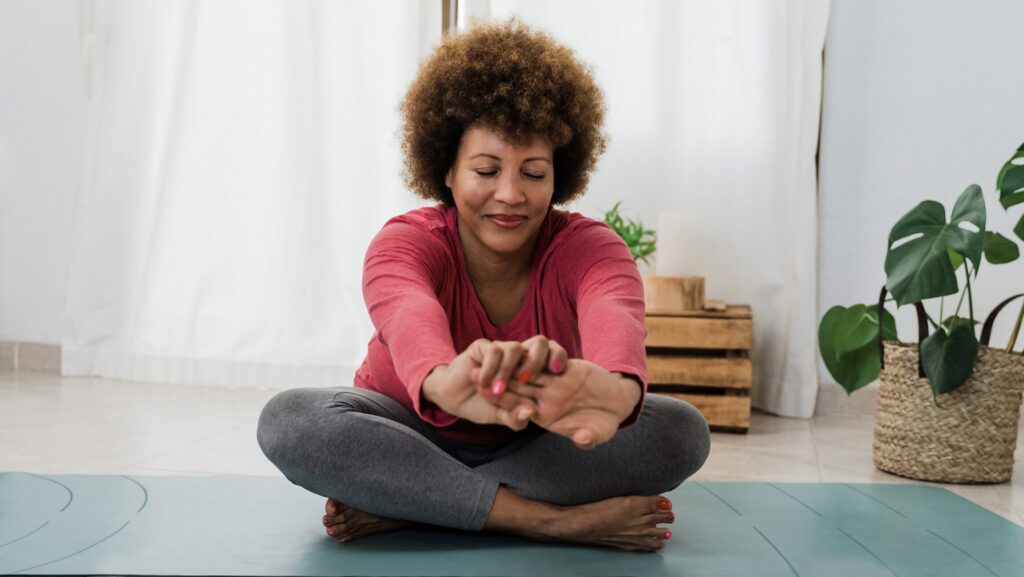
What’s the Deal With Breathing? Why Proper Technique Matters for Daily Wellness
You’ve probably been told by your therapist, your yoga teacher, or your cousin who just discovered mindfulness: “Just breathe.”
And sure, I’ll admit, sometimes it feels like lazy advice, but breath is not just some go-to catchphrase. It’s physiology.
Breath is the bridge between your autonomic nervous system (the part that runs on autopilot: heart rate, digestion, hormones, breathing) and your central nervous system (the part you consciously control: your thoughts, your choices, your actions, your breathing). See? It straddles both! Breathing is our way in. It’s how we shift the way we feel, moment to moment to moment.
When we breathe well, our diaphragm moves freely, massaging our internal organs, pumping fresh oxygen to our brain, and signaling to our body that it’s safe. When we don’t, the opposite happens: our muscles brace, our energy drops, our anxiety rises, and everything feels just a little harder.
And if that’s not enough of a reason to focus on your breathing, did you know the majority of your body’s fat leaves your system through your breath? That’s right – through exhalation. Oxygen metabolizes fat into carbon dioxide and water, which you then exhale. So yes, you literally breathe out fat.
And beyond metabolism, breath carries the energy that fuels your movement. Feeling drained by the end of your workday? It might not be your workload. It might be your breathing.
Our lifestyles do a real number on the physiology of free breathing. We slouch over laptops, clench through traffic, and brace against stress. The result? Postures that physically restrict the breath:
- Collapsed chests
- Tight necks
- Tense midsections
- Shock or stress that literally freezes the diaphragms in the body
If your shoulders hike up when you take a deep breath, that’s a clue that your system could probably be working a little less. Try it right now. Take a deep inhale. Do your shoulders lift? If so, your breathing muscles (the diaphragm, scalenes, and sternocleidomastoids—those big ones in your neck) are overworking or out of sync.
That means less oxygen getting where it needs to go, which translates to fatigue, lousy sleep, a cranky mood, and stressed-out organs.
In Somatic movement and fitness, we retrain the nervous system to release the muscles that aren’t supposed to be doing the job, and reawaken the ones that are. That includes your breathing muscles.
When we release the neck and chest, when we soften the ribs and reeducate the diaphragm, something magical (physiological) happens: You invite the body back into ease. Breath begins to flow, not because you “force” it, but because you’ve gotten out of its way.
From there, your body organizes movement efficiently again. Your energy returns. You feel calm, alert, and alive.
How’s this relate to exercise? Well, try this: before your next workout, pause and take about three minutes to breathe, imagining your diaphragm dropping down into your belly, and your ribs gently expanding. Start shallow and grow the breath. Take your time and keep your ambition low. Once you feel tension anywhere on your inhale, pause and fully exhale before going again. Feel yourself soften from the inside. Then see how you feel (and breathe) during your workout.
You’ll find how incredibly helpful oxygen can be to your intended gains and losses!
If you’re looking for new ways of practicing meaningful self-care in 2026, including expanding and exploring your breath, please reach out! I have a variety of options and modalities to share!