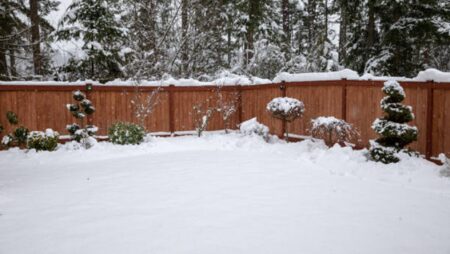
Winter Landscaping … “Snow-scaping”
A fresh layer of snow can be beautiful, but for many of us it also means snow removal. As you clear your front walk, notice whether there are bushes or shrubs in the way where you typically pile snow. If so, this might be an area worth redesigning. For example, shrubs could be replaced with perennials—plants whose foliage dies back in winter but returns in spring.
From the comfort of your warm home, look outside:
Do you see snow resting on evergreens, shrubs, or trees with persistent red berries?
Do you have a small sanctuary where birds and other wildlife can rest in a sunny, protected spot?
If you notice undesirable views or wish you had more winter beauty, now is a great time to take photos and make notes for redesigning areas and installing new plants in 2026. For instance, an evergreen could be planted to hide a utility pole or a neighbor’s shed. Ornamental grasses are an inexpensive way to screen utility boxes and add beautiful “movement” to the winter landscape.
Another consideration when “snow-scaping” is how snow naturally drifts or where piles accumulate along the driveway or front walk. Have a little fun outdoors—create temporary snow seat walls or snow benches where you can sit and enjoy your landscape. Shoveling paths around the house can also spark ideas for future walkways and sitting areas to be added to your landscape design.
Children especially love playing in the snow. Notice where they run, play, or make snow angels—these open, sunny spaces are usually areas where turfgrass lies dormant beneath the snow. This is an excellent time to sketch out new garden beds. Draw lines in the snow (or even shovel an edge) to imagine borders where summer flowers could be planted. These new bed lines not only make mowing easier but also create beautiful spaces for plants and resting places for birds.
Unfortunately, de-icing salts can damage landscapes, but there are ways to reduce or prevent this. Pelletized gypsum helps counteract the negative effects of winter salt. Typically, two applications are recommended along driveways and road edges where salt is applied: one in early winter before the ground freezes, and another in late winter as the soil begins to thaw. Gypsum binds with clay particles, improving soil structure and drainage. It is inexpensive, easy to apply, and particularly useful in parkways where snow tends to be piled.
So, the next time it snows, and you find yourself heading out to shovel, take a moment to snow-scape—imagine new landscape features and create future spaces that will bring you beauty and enjoyment at home.