A Safer Return Home
When a loved one returns home from the hospital, families often assume the hardest part is behind them. But the days and weeks immediately after discharge can be some of the most challenging. In fact, hospital readmissions are most common during this transition home, especially for older adults or individuals managing chronic conditions. The good news: the right in-home support can make recovery smoother, safer, and far less stressful.
Why Readmissions Happen
Even with detailed discharge instructions, recovery at home rarely goes exactly as planned. A few of the most common challenges include:
- Medication confusion: New prescriptions, dosage changes, or overlapping medications can easily lead to errors.
- Mobility issues: Weakness, dizziness, or unsteadiness make falls more likely during the first days at home.
- Missed follow-up care: Appointments, wound care, or therapy sessions can be difficult to manage alone.
- Overexertion: Many patients feel better quickly and unknowingly push themselves too hard.
- Chronic condition flare-ups: Heart disease, COPD, diabetes, or infection recovery all carry elevated risk in the first 30 days.
For families, these risks can feel overwhelming, and understandably so. No one is handed a “recovery manual.” That’s where reliable in-home support becomes an essential part of the healing process.
How Care at Home Supports a Safer Recovery
Post-hospital care is about much more than helping with daily tasks. It creates structure, safety, and consistency at a time when a loved one needs it most.
- A steadier start during the first 72 hours
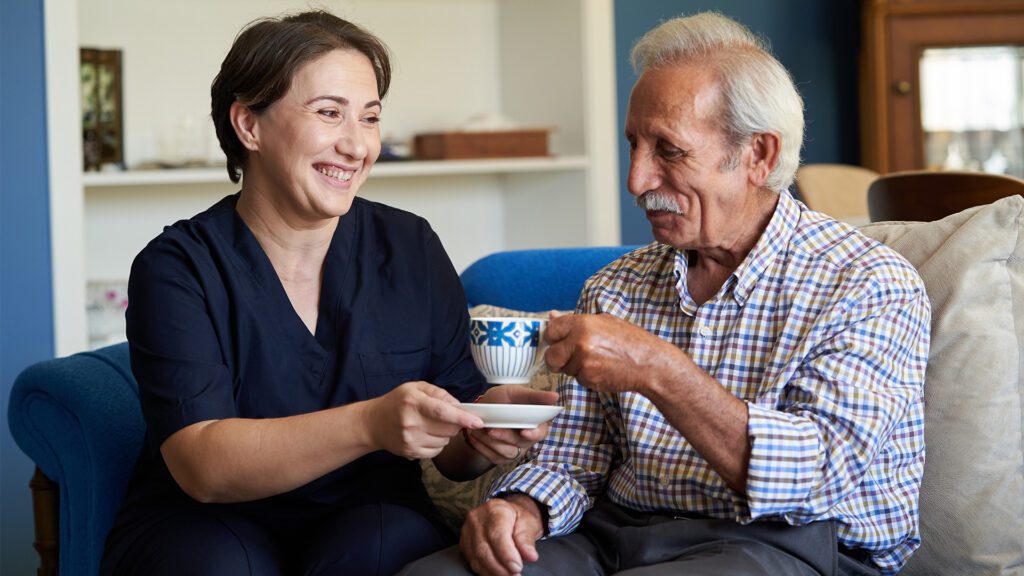
The initial days at home are often the most vulnerable. A caregiver can assist with bathing, mobility, meals, and medication reminders, reducing fall risks and helping clients regain strength without overexerting themselves. - Support that follows the doctor’s plan
Recovery relies on routine. Caregivers help clients stay on track by reinforcing discharge instructions, observing changes in condition, and ensuring follow-up appointments aren’t missed. Early intervention can prevent small concerns from becoming setbacks. - Confidence for clients and relief for families
Families want to be actively involved in their loved one’s recovery, but balancing care, work, and everyday responsibilities can be hard. In-home support provides peace of mind, allowing family members to focus on encouragement rather than constant worry. - Better outcomes for chronic conditions
Those recovering from pneumonia, heart events, COPD flare-ups, or surgical procedures benefit greatly from consistent oversight. A caregiver’s presence helps maintain stability and prevent the complications that most often lead to readmission.
The Takeaway
Healing doesn’t end at discharge; it begins there. With attentive in-home care, clients can transition from hospital to home with greater safety, comfort, and confidence. Families receive reassurance, and loved ones get the steady support they need to recover where they feel strongest: at home with the help of Senior1Care.
SENIOR1CARE • 3131 Grape Road, Mishawaka • (574) 239-2273 • senior1care.com