Breathe Better at Home: Why Indoor Air Quality Is Everything
Indoor air quality is an ever-growing concern for homeowners. With winter in full swing, there are a number of air quality health concerns that you and your family can be affected by. These may include headaches, dry eyes, congestion, tiredness and can lead to lung diseases such as asthma. If you have existing respiratory problems, symptoms can be greater. To maintain good air quality in your home, I recommend checking the following most common issues we find in our client’s homes.
Air Filtration
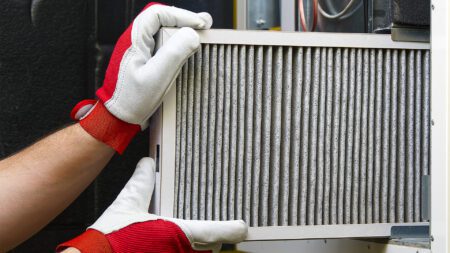
The first, and most important air quality fix is to check and change your furnace filter regularly. All of the air in your home is circulated through that filter, so it is incredibly important to make sure it is filtering as efficiently as possible. Most furnace filters should be replaced every 1-3 months depending on your home, although some high efficiency filters are designed to last 6-12 months, like Lennox’ Healthy Climate filter lineup. Upgrading to a filter with a MERV (minimum efficiency reporting value) rating of 11 or higher is recommended for most homes. The MERV rating of a filter is essentially the grading system of how efficiently it filters particulate matter in the air. If you or your family have any respiratory issues, a filter with as high as a MERV 16 rating may be best for your home.
Humidity
Low humidity is often a major concern in Okanagan homes during the winter. With the heat running more often, the relative humidity can drop significantly. Dry eyes, nasal irritation, chapped lips, and dry itchy skin are all common symptoms of dry air in the home. You may also notice wood trim or flooring splitting and shrinking, house plants needing to be watered more often, or frequent electrostatic shocks when touching surfaces in your home. Adding a whole-home humidifier to your central heating system is the most effective method of resolving low humidity issues, although adding portable humidifiers or boiling water on the stove can mitigate less extreme cases.
Ventilation
You will also want to make sure your home is well ventilated. Build up of carbon dioxide is common this time of year as you spend more time in the home. VOC’s (volatile organic compounds) can also accumulate and cause respiratory irritation and tiredness. A few simple ventilation methods include using kitchen and bathroom exhaust fans regularly, checking the fresh air vent on your HVAC system is clear of debris, and using the fan circulate mode on your thermostat. If you have a heat recovery ventilator (HRV) in your home, the internal air filters should be checked and cleaned every 6-12 months.
Air Quality Testing
If you are unsure about where to start, professional air quality testing can also be performed to learn which indoor air quality issue may need resolving in your home. Several data points and trends can be used to determine the correct course of action your home needs.
Concerned about dust, humidity, or other air pollutants in your home? The experts at Applewood are here to help! Contact Applewood Heating & Air Conditioning for a free consultation to find an air quality solution that fits your home.