Building for the Coast: How Vancouver Island’s Climate Shapes Your Home’s Exterior
Vancouver Island offers one of Canada’s most beautiful places to live, but also one of the most demanding environments for exterior materials. Between heavy rain, salty ocean air, strong UV exposure, and seasonal temperature swings, the Island’s climate can quickly reveal weaknesses in siding, trim, and building envelope systems. For homeowners planning a new build or exterior renovation, understanding these challenges is essential to protecting your home for the long term.
Moisture: The Island’s Biggest Enemy
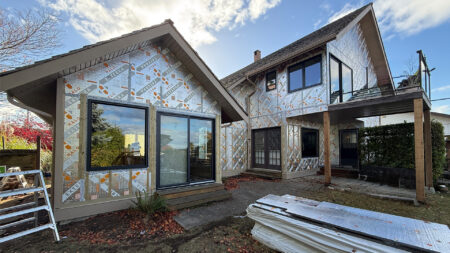
Much of Vancouver Island sits in a coastal rainforest climate, meaning prolonged wet seasons and limited drying time. Constant moisture can lead to mold, rot, and premature deterioration if the exterior system isn’t designed to shed water effectively. Materials such as fiber cement, engineered wood, quality vinyl, and metal cladding perform well here, but only when paired with proper installation. A rainscreen system, correct flashing, and adequate ventilation are critical. Even high-end materials can fail quickly without these essentials.
Salt Air & Coastal Exposure
In shoreline communities, salt-laden air accelerates corrosion of fasteners and metal components. Homes near the ocean should always use stainless steel or hot-dipped galvanized fasteners and materials with coastal-grade coatings. Fiber cement, aluminum, and metal cladding tend to withstand salty environments best, while low-quality metals or untreated steel can degrade rapidly.
Sun Exposure & UV Breakdown
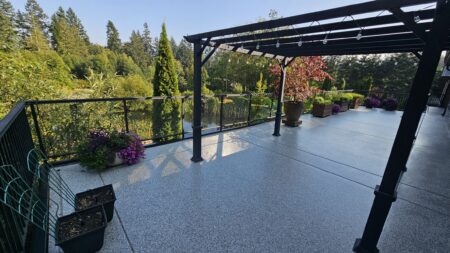
While known for rain, the Island also experiences long, bright summer days that can fade colors and weaken finishes. UV exposure affects darker tones more intensely, causing heat buildup and faster wear. Choosing UV-resistant coatings or factory-finished siding helps maintain appearance and reduce long-term maintenance.
Temperature Swings & Freeze-Thaw Cycles
Northern and inland regions of the Island experience seasonal freeze-thaw cycles. When materials expand and contract, low-quality siding can crack, warp, or delaminate. Vinyl, fiber cement, engineered wood, and metal siding all handle movement well when installed correctly.
Microclimates Matter
Not all areas of Vancouver Island face the same conditions.
- Tofino/Ucluelet: Heavy rain, wind, and salt—durability is key.
- Cowichan Valley: High humidity and sun exposure—ventilation and UV protection matter.
- Nanaimo/Parksville: Moderate climate with more sun—colour stability is a priority.
- North Island: Colder winters—freeze-thaw resistance is essential.
Working with a contractor who understands local microclimates ensures your exterior is tailored to your region’s challenges.
The Bottom Line
Your home’s exterior isn’t just about curb appeal; it’s a protective system that must be designed for our unique coastal environment. The right products, paired with knowledgeable installation, safeguard your home from moisture, salt, sun, and seasonal changes. A carefully planned exterior lasts longer, looks better, and protects your most valuable, asset through every West Coast storm.