Bunions: How to Slow Them Down, Protect the Next Generation, and Know When Surgery Is Truly Needed
Bunions are far more than a cosmetic concern. They are a structural deformity of the foot that can progress over time, leading to pain, stiffness, difficulty with shoes, and limitations in staying active. While genetics play a role, bunions are not inevitable, and there are effective ways to slow their progression and even reduce the risk for future generations.
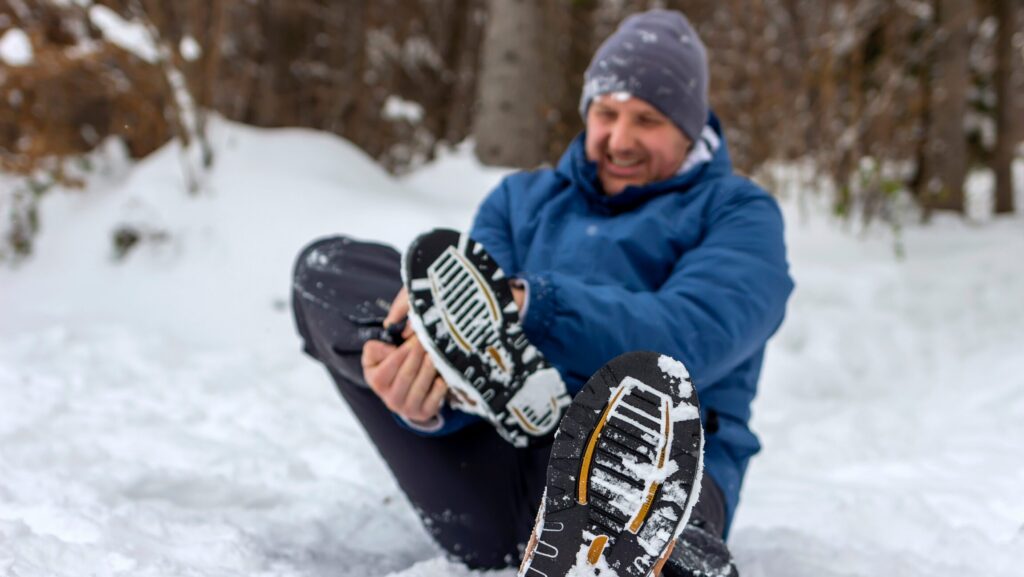
Whether you’re hitting the slopes or stacking up miles on the road, understanding the most common winter foot problems can help you stay active, safe, and moving forward.
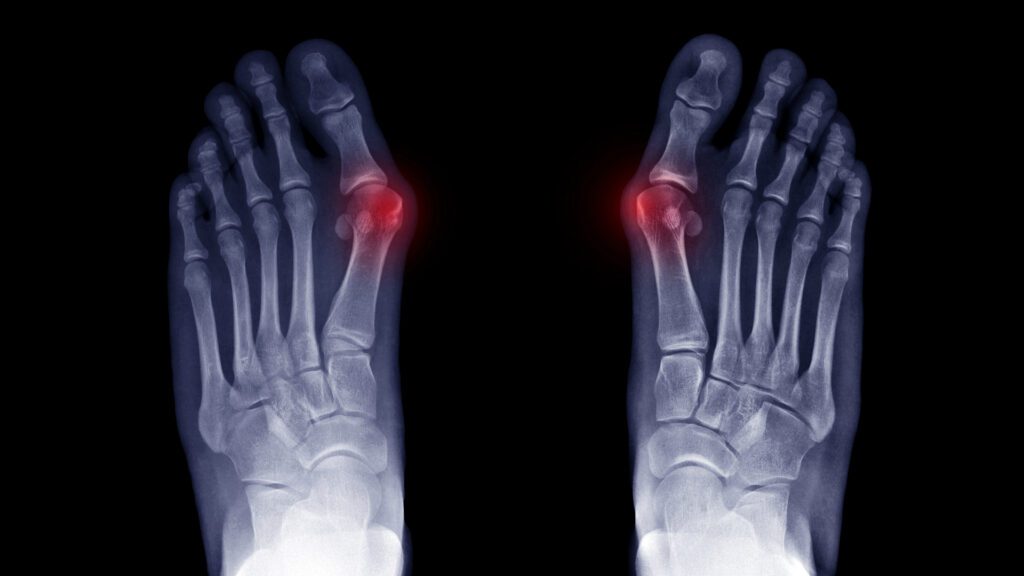
A bunion forms when the first metatarsal bone shifts outward while the big toe drifts inward, creating the noticeable prominence at the base of the toe. This misalignment increases joint stress and inflammation and often worsens with narrow or unstable footwear. Although you may inherit a foot type that predisposes you to bunions, daily mechanics and shoe choices largely determine how quickly they progress.
One of the most important ways to prevent bunions from getting worse is proper footwear. Shoes with a wider toe box, good arch support, and overall stability help reduce abnormal pressure across the big toe joint. Custom orthotics can further improve alignment by controlling excessive motion and redistributing forces during walking and running. When used consistently, orthotics often reduce pain and slow the deformity’s progression.
Strengthening and mobility exercises also play a key role. Targeted foot and ankle exercises help maintain joint motion, improve muscle balance, and support better toe alignment. Teaching children healthy shoe habits early and avoiding overly tight or narrow shoes can help reduce bunion development later in life, even when there is a family history.
Despite conservative care, some bunions will continue to progress. When pain interferes with daily activities, surgery may become an option. Traditional bunion surgery is performed in a hospital setting and involves a larger open incision, bone correction, and internal fixation such as screws or plates. This approach is still appropriate for certain more severe deformities. For many patients, however, advances in podiatric surgery now allow for in-office bunion correction using a minimal incision, often described as a small poke rather than a true incision.
These procedures typically involve no metal hardware or foreign bodies, and usually no sutures. Recovery is often quicker, more comfortable, and less disruptive, while still achieving meaningful correction.
If you are noticing bunion pain, shoe limitations, or changes in foot shape, early evaluation matters. A podiatric assessment can help determine whether conservative care is enough or if newer, less invasive options may be right for you. Schedule a consultation to learn how to protect your feet, preserve your mobility, and keep yourself and your family moving forward comfortably.