Coastal Boating – Tides, Sandbars, Rules, and More, From the Experts
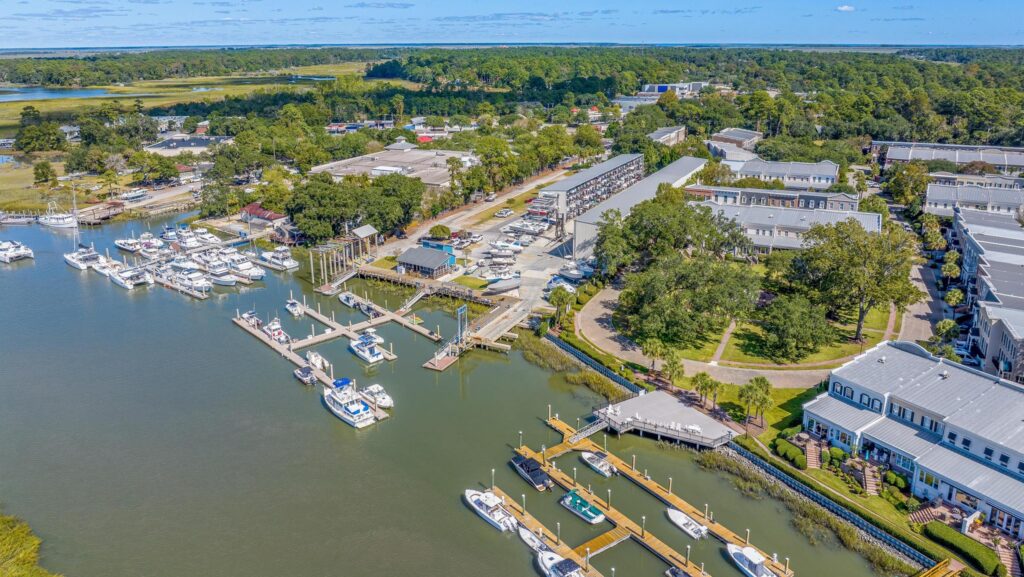
As operators of both coastal and inland marinas, we’ve had the privilege of seeing recreational boating from many perspectives. While a boat operates largely the same everywhere—and despite the frequently asked question, there’s still no brake pedal—coastal boating introduces a few new elements that can feel unfamiliar at first. The environment, water movement, and daily rhythms are different from lakes and rivers, but with a little preparation and curiosity, coastal boating can be one of the most enjoyable and rewarding ways to be on the water.
Many new Savannah boaters grew up around lakes and rivers, so transitioning to coastal waters is a common step. One of the biggest differences you’ll notice right away is the tide. In the Savannah area, tides generally change about every six hours, giving us two high tides and two low tides each day. The peak high and low tides are called “Slack Tides” and occur when the water is still. Between slack tides, the water flows in or out, changing depths by as much as seven feet.
Boaters can easily find tide information by regularly checking a local tide chart found in a newspaper or quick google search. For your first few outings, boating on a low and rising tide can be especially helpful. Not only does this provide extra peace of mind, but it also allows you to better see sandbars and oyster banks that are hidden at higher water levels. These early experiences help build confidence and local knowledge—and yes, even the most seasoned coastal boaters have a “stuck on a sandbar” story or two they’re happy to laugh about.
Another aspect of coastal boating is learning how wind and weather interact with the water. Conditions can change more quickly than on inland lakes, which encourages boaters to become more in tune with their surroundings. Summer afternoons often bring pop-up thunderstorms, so checking the forecast before heading out is always wise. Understanding how wind direction, speed, and tide work together can make a big difference in comfort and safety.
You may also hear coastal boaters talk about “fetch,” which simply refers to the distance wind travels across open water. A sheltered creek or bay may remain calm with winds from certain directions, while the same area can become choppier when wind has miles of open water to travel. With experience, these patterns become second nature and add to the satisfaction of coastal boating.
As confidence grows, many boaters enjoy exploring beyond the creeks and into Savannah’s larger rivers. Our city is home to a vibrant working port, so sharing the water with commercial traffic is part of the coastal experience. Tugboats, barges, and ships move steadily through the river, and recreational boaters can safely coexist by following established navigation rules and staying aware of their surroundings.
A VHF radio is a valuable tool when boating in these areas. Monitoring channel 16 allows you to stay informed and communicate when needed, helping everyone on the water operate smoothly and safely.
At its heart, coastal boating is about discovery, relaxation, and connection—with nature and with each other. Savannah’s waterways offer stunning marsh views, unforgettable sunsets, and abundant wildlife. Take your time as you learn, enjoy the process, and don’t hesitate to ask questions along the way. Coastal boaters are a friendly, welcoming group, always ready with a wave or a helping hand. We look forward to seeing you out on the water and hope you’ll embrace everything coastal boating in the Lowcountry has to offer.