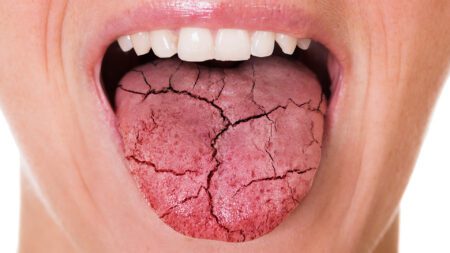
Dry Mouth: More Than Just an Annoyance
Dry mouth, also known as xerostomia, is a common condition that occurs when the salivary glands don’t produce enough saliva. While it may seem like a minor inconvenience, saliva plays an essential role in protecting your teeth, gums, and overall health. Without it, your mouth becomes more vulnerable to decay, infection, discomfort, and nutritional challenges.
Common Causes of Dry Mouth
Dry mouth can be caused by a variety of factors, including:
- Mouth breathing and dehydration
- Medications such as antihistamines, blood pressure medications, and antidepressants
- Cancer treatments like chemotherapy or radiation
- Smoking, alcohol, and caffeine use
- Medical conditions including diabetes, Sjögren’s syndrome, and Parkinson’s disease
Daily Effects You May Notice
Reduced saliva can interfere with everyday activities and comfort:
- Difficulty chewing, swallowing, speaking, or tasting food
- A dry, sticky, or burning sensation in the mouth or throat
- Thick or stringy saliva
- Bad breath caused by increased plaque and bacteria
- Cracked lips, sore throat, hoarseness, or denture discomfort
Long-Term Oral Health Risks
When dry mouth persists, it can lead to more serious issues:
- Tooth decay due to reduced acid neutralization
- Gum disease caused by increased bacterial buildup
- Mouth sores and infections, including oral thrush
Managing and Treating Dry Mouth
Many people find relief with simple lifestyle changes such as sipping water throughout the day, chewing sugar-free gum or lozenges with xylitol, using a humidifier at night, and limiting alcohol and caffeine. Over-the-counter saliva sprays, gels, and dry-mouth toothpastes can also help. In some cases, a dentist or physician may recommend prescription treatments or address underlying causes such as medications or medical conditions. Regular dental visits are especially important to protect teeth and gums.
When to Seek Professional Care
If dry mouth is persistent or worsening, consult a dentist or medical provider to identify the cause and develop a personalized treatment plan.
Dry mouth is more than a simple inconvenience—it can have lasting effects on your oral health. Fortunately, with early recognition, proper daily care, and professional guidance, dry mouth can often be effectively managed. If you believe you may be experiencing symptoms of dry mouth, please call our office at (301) 948-1212 to schedule an appointment—we’re here to help protect your smile and improve your comfort.