February Fatigue Starts at Home
By February, many homeowners feel it even if they cannot quite name it. The heat has been running nonstop, windows have stayed shut for months, and despite a warm thermostat, the house feels dry, stale, or uncomfortable. That mid-winter slump often starts with what is happening inside your home’s air.
In communities like Lexington and across New England, winter homes are sealed tightly to keep heat in and energy bills under control. That efficiency is important, but it also limits the amount of fresh air that can naturally circulate. As your heating system runs day after day, it continually recirculates the same indoor air. Over time, everyday pollutants such as dust, allergens, pet dander, and fine particles accumulate, especially when filtration has not kept pace with demand.
Winter heating also strips moisture from the air. Cold outdoor air holds very little humidity, and once it is heated indoors, moisture levels drop even further. Dry air can irritate sinuses, dry out skin, increase static electricity, and make respiratory discomfort more noticeable. It can also make your home feel cooler than it really is, prompting higher thermostat settings and unnecessary energy use.
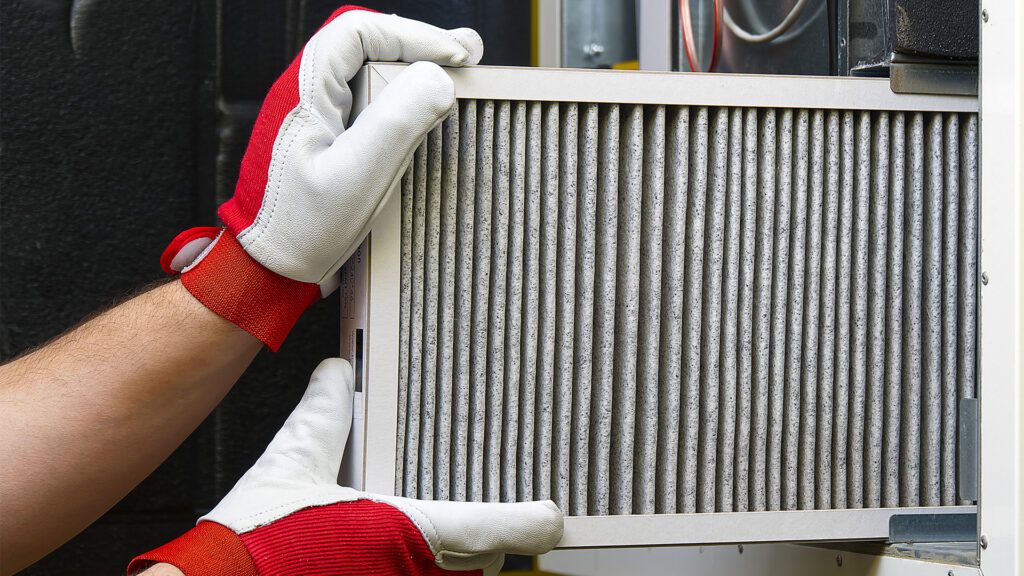
February is also when filtration fatigue sets in. Filters installed in the fall have likely collected months’ worth of debris. When filters become clogged or are not properly sized, they cannot capture particles effectively. That allows contaminants to circulate throughout the home while also restricting airflow, forcing your heating system to work harder than it should.
Ventilation plays a quieter but equally important role. Modern homes are built to be airtight by design, which improves efficiency but limits natural air exchange. Without proper ventilation strategies, stale air lingers. Kitchens, bathrooms, and laundry areas add moisture, odors, and pollutants that have nowhere to go, contributing to overall discomfort and indoor air quality concerns.
The good news is that improving winter air quality does not require major disruption. Simple steps can make a meaningful difference. Replacing or upgrading HVAC filters, making sure return vents are unobstructed, and addressing humidity levels can noticeably improve comfort. In many homes, a properly sized whole-home humidifier restores balance, helping protect both health and the home from the effects of overly dry air.
February is also one of the best times to evaluate how well your heating system is supporting airflow and air quality. Because systems are under peak demand, issues are easier to spot now than during milder seasons. Addressing concerns before spring improves comfort immediately and helps your system transition smoothly into the next season.
Indoor air quality often goes unnoticed until it starts affecting how you feel every day. Paying attention now can help ensure your home remains comfortable, healthy, and efficient through the rest of winter and beyond. At Accutemp Engineering, there is no challenge our team can’t handle, especially when it comes to creating healthier homes in the toughest months of the year.