Growing Through Change: Current Minnesota Tree Trends
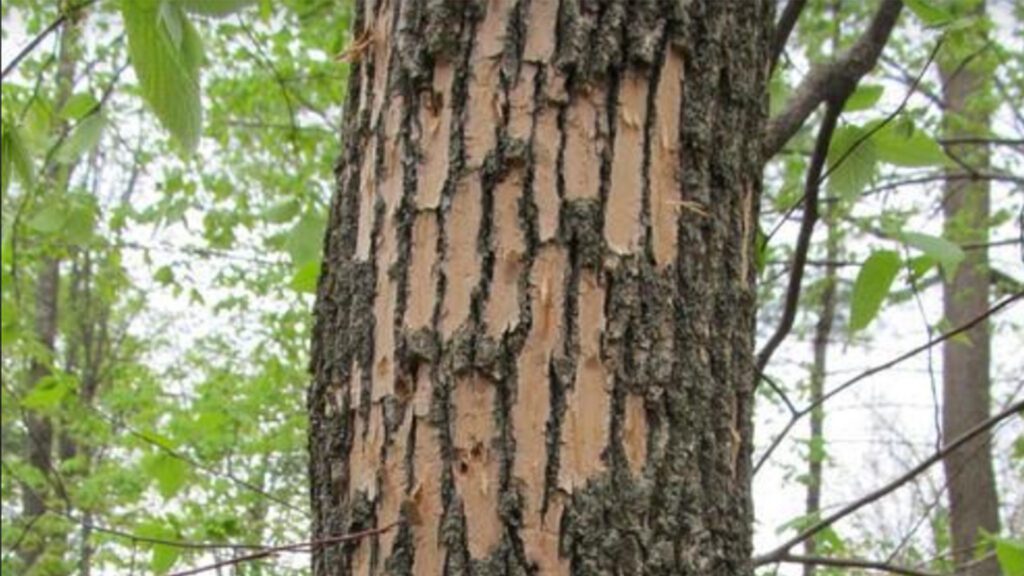
Minnesota’s tree landscape is undergoing significant change in 2026, shaped by invasive pests, large-scale planting efforts, and a growing focus on climate resilience. One of the most pressing challenges remains the continued spread of the emerald ash borer (EAB), an invasive beetle that has devastated ash tree populations across the state. According to the Minnesota Department of Agriculture, EAB has now been confirmed in 59 of Minnesota’s 87 counties, leading to widespread ash tree removals in both forests and urban neighborhoods. As a result, communities are actively diversifying their tree species to avoid future losses caused by monoculture plantings.
To help counter these losses, extensive reforestation efforts are underway. In 2025, The Nature Conservancy planted a record 2.5 million trees across northern Minnesota, focusing on diverse species such as white pine, red oak, and yellow birch. These plantings not only strengthen forest resilience and wildlife habitat, but also support recovery in wildfire-impacted areas, demonstrating a proactive approach to forest management.
Urban forestry is also gaining momentum. Supported by historic state grants totaling $11–12 million, Minnesota communities are investing in urban tree planting, maintenance, and inventory programs to rebuild canopy cover, improve neighborhood equity, and replace trees lost to pests, disease, and storm damage.
Forest health monitoring continues to show mixed results. While adequate precipitation in 2025 helped reduce stress for some species, EAB expansion, spruce budworm damage, and increased storm intensity remain ongoing concerns.
Together, these trends highlight Minnesota’s commitment to protecting its trees—balancing pest management, species diversity, and climate adaptation to safeguard forests and communities for generations to come.
As always, we’re happy to help address any tree concerns you may have. Please feel free to reach out.