Gut Health Starts at the Table: Simple Everyday Choices That Matter
February in Carleton Place has its own quiet rhythm. The Mississippi River moves steadily beneath its winter cover, shop windows glow warmly against the cold, and kitchens become gathering places once again. Valentine’s Day arrives during this slower season, offering a reminder that love isn’t always loud or elaborate — sometimes it’s as simple as sharing a warm meal.
In many homes, the table is where the day begins and ends. It’s where soup simmers on the stove after a long winter walk, where bread is sliced and shared, and where neighbours and family linger a little longer. These moments of connection are also where gut health quietly takes shape.
The gut plays a central role in overall wellbeing, influencing digestion, immunity, mood, and inflammation. When it’s supported, the benefits extend throughout the body, including the heart.
While modern nutrition advice can feel overwhelming, the habits that support gut health are often the same ones our communities have relied on for generations.
Traditional, slow-prepared foods are a natural place to begin. Fermented foods such as kefir, yogurt, and lacto-fermented vegetables introduce beneficial bacteria that help support a balanced gut microbiome. These foods were once everyday staples, made at home or sourced locally, valued for both flavour and nourishment. Even small amounts enjoyed regularly can make a difference.
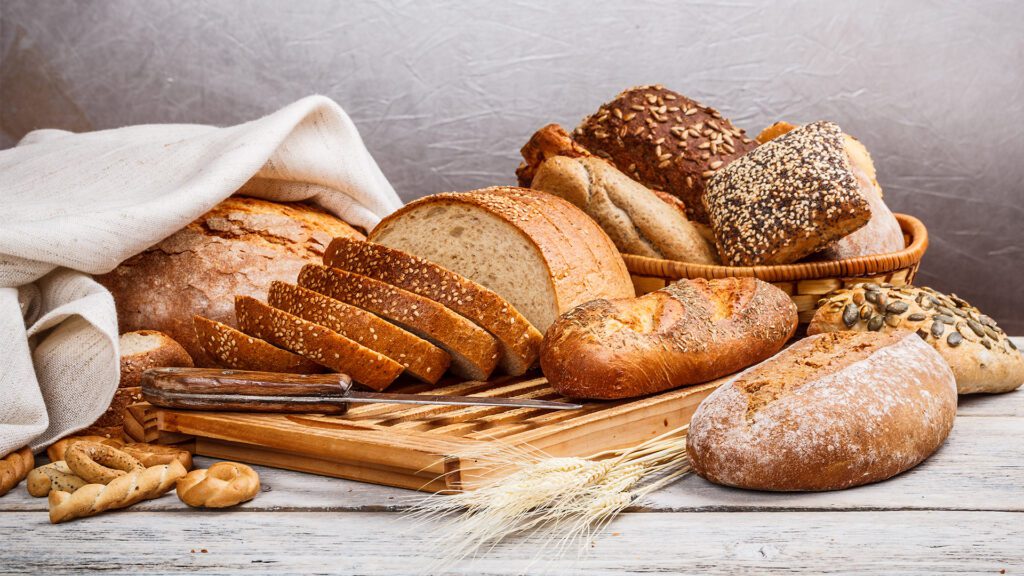
Bread tells a similar story. Naturally, fermented sourdough, made with flour, water, salt, and time, reflects a slower approach to food. The long fermentation process allows the dough to develop gradually, making it easier for many people to digest and more satisfying to eat. Choosing bread made with care is not about nostalgia — it’s about returning to methods that respect both the food and the body.
Winter meals in Carleton Place often revolve around warmth. Soups, broths, and stews provide hydration, minerals, and comfort when the body needs it most. Sitting down to enjoy these meals— rather than eating on the go — supports digestion and helps calm the nervous system. This relaxed state benefits not only the gut, but also heart health, as stress and inflammation are closely linked.
Supporting gut health doesn’t require dramatic changes or strict rules. Small, everyday choices matter most: choosing seasonal produce, cooking more meals at home, adding a spoonful of fermented vegetables to dinner, or taking the time to eat together. For families, these shared rituals create a sense of stability and pass along habits that support lifelong health. Valentine’s Day offers a gentle opportunity to rethink how we express love. Instead of focusing solely on sweets, sharing a nourishing meal, baking bread, or preparing soup for someone you care about can be a meaningful act of connection. Food becomes a way of showing attention, presence, and care.
As February unfolds along the river and through our neighbourhoods, heart health and gut health both begin in the same place — at the table. In choosing foods made with intention and sharing them with others, we practice a kind of love that nourishes from the inside out.