How Design Promotes Love and Connection
Did you know that the way you design, remodel, or even redecorate your home can actually strengthen relationships, celebrate shared interests, and help create a more supportive family environment? It’s true! Thoughtful design has the power to bring people closer together—both inside the home and beyond it. Who knew design could do all of that? We did.
Social interaction is essential to human health and overall wellbeing, and our homes play a huge role in how often and how comfortably those interactions happen. When spaces are designed with intention, they naturally encourage connection, conversation, and togetherness. Here are a few key ways design can promote love and connection in your everyday life.
First, intentional layouts that encourage gathering make a big impact. Think about how much talking, laughing, and sharing happens around a kitchen island. Open layouts make it easier to cook together, eat together, and turn meals into a truly communal experience.
Creating special spaces with purpose is another powerful tool. Game nooks, craft rooms, or hobby spaces promote creativity and shared activities with family and friends. Game rooms, golf simulators, or sports-focused spaces bring people together through friendly competition and teamwork.
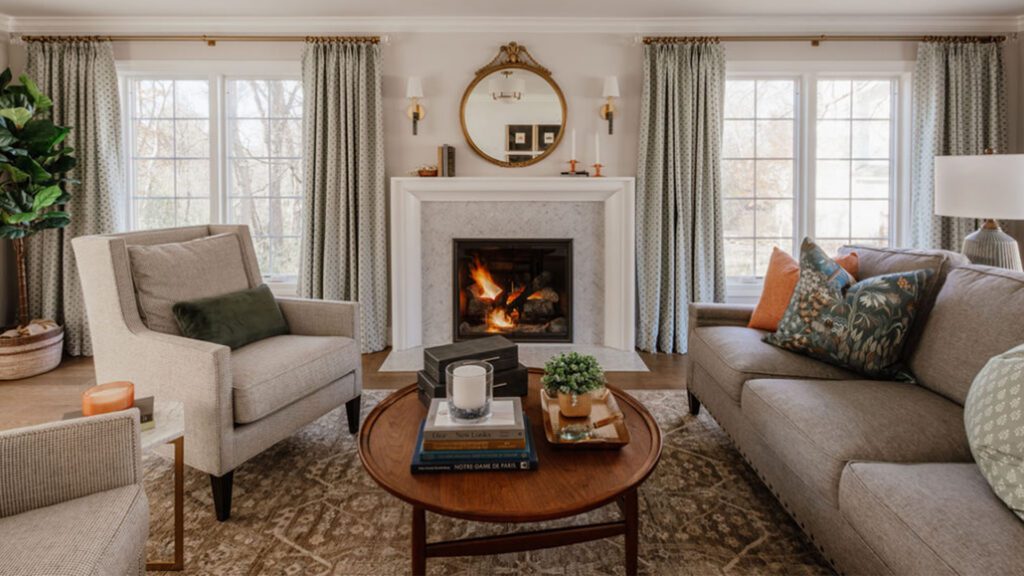
Strategic seating arrangements also matter. In living rooms, grouping chairs together or placing chairs facing a sofa naturally encourages people to look at one another, engage, and enjoy meaningful conversation instead of retreating into their own corners.
Ambiance plays a role as well. Warm, dimmable lighting creates a cozy, welcoming atmosphere where people feel relaxed, comfortable, and more open to talking and connecting.
We can also take inspiration from public spaces. Open areas, courtyards, staircases, and seating with expansive views encourage spontaneous interaction. At home, this mindset translates beautifully to outdoor spaces like porches, patios, pool areas, and fire pits—places designed for gathering and shared experiences.
Finally, accessibility is essential. Thoughtfully designed spaces that accommodate family members or guests who are differently abled—through wider hallways, wheelchair-friendly layouts, or bathroom safety features—ensure everyone feels included and welcome.
Let’s face it: we spend most of our time at home. It’s where relationships are built and values are passed on. If you’d like to learn more about how design can help foster connection in your home, we’d love to help. Reach out anytime or stop by the studio for a chat—we’d be happy to talk design with you.