Indoor Air Quality 101 – Be PROACTIVE
Last time, we discussed the topic of Microbial Growth (Mold), as it is one of the more common biological and health concerns that we face, as homeowners. In this article, we will zoom out a bit, to discuss the broader topic of Indoor Air Quality (IAQ)
According to the EPA, “Indoor Air Quality (IAQ) refers to the Air Quality within and around buildings and structures, especially as it relates to the health and comfort of building occupants. Understanding and controlling common pollutants indoors can help reduce your risk of indoor health concerns. Health effects from indoor air pollutants may be experienced soon after exposure or, possibly, years later.”
The most common indoor pollutants:
- Fireplaces
- Tobacco products
- Household cleaning and personal care products
- HVAC systems and humidification devices
- Excess moisture (leading to microbial growth)
- Outdoor sources such as pesticides and outdoor air pollution
As a Property Restoration Professional, my team and I encounter many of the pollutants listed above, but usually in a REACTIVE situation, where we are providing a solution to a sudden problem, i.e. mold growth. But there are ways for homeowners to be PROACTIVE in protecting their property, their health and the health of their loved ones.
Here are a few steps that every property owner can take to ensure the best Indoor Air Quality within their homes.
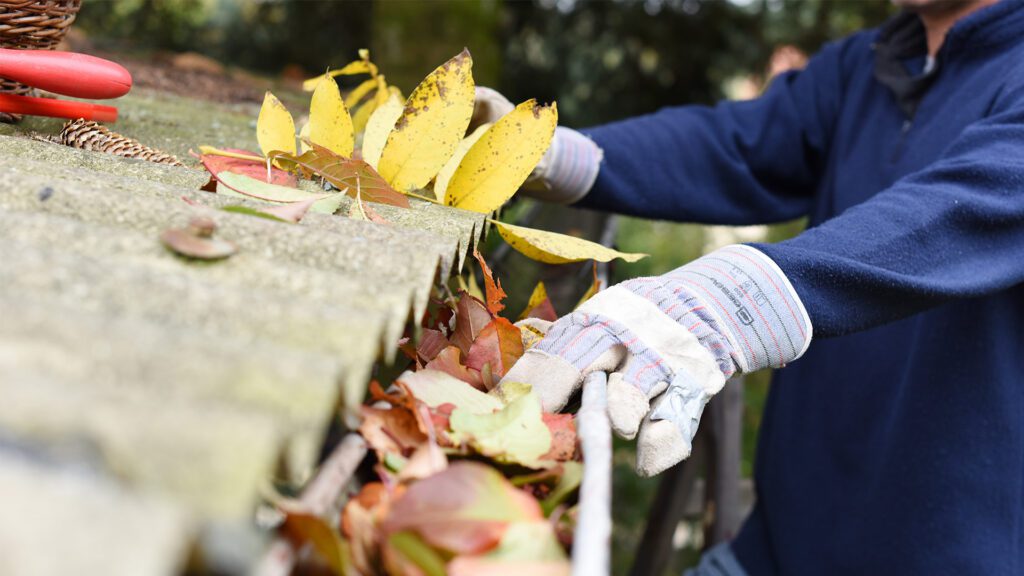
- Make sure your home is dry, well-maintained and well-ventilated.
A routine check for leaks or excessive humidity in and around your home is a good practice. Also, the routine use of indoor fans and HVAC systems increase air circulation, promoting proper ventilation.
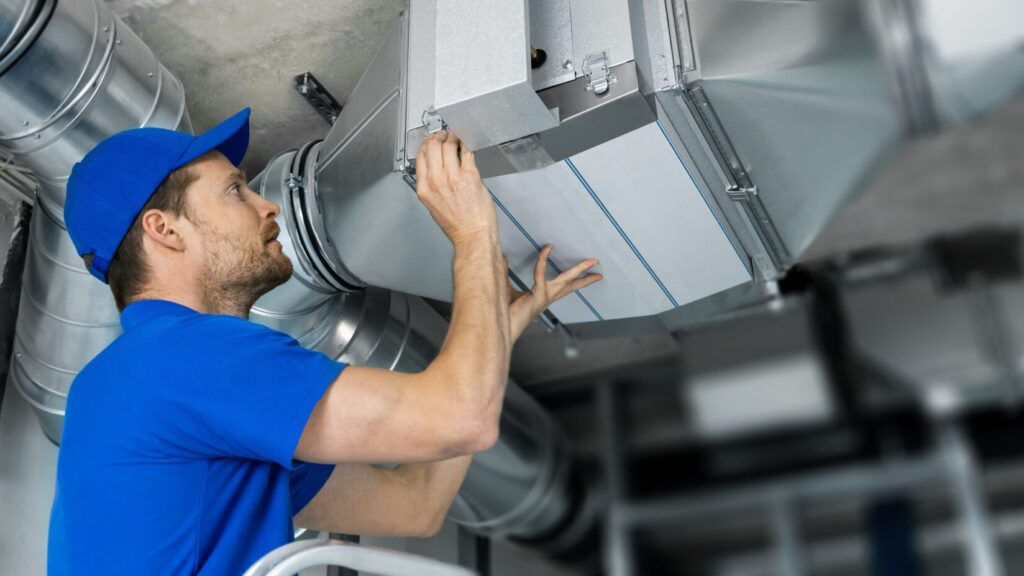
- Change your AC filters on schedule and inspect your HVAC system annually.
If you are unfamiliar with your unit, it’s a good idea to hire a HVAC Professional to provide you with an orientation of your system and the recommended maintenance.
- Deep clean each season.
We routinely wipe down our cabinets and counter tops, but how often are we wiping down the baseboards, cleaning the AC vents, range hood filter, fan blades or the registers of our HVAC systems? These tasks can be tedious to achieve, but performing them affords you the opportunity to better understand your home and to inspect while you clean.
- Use your Senses…what do you See, Smell and Feel?
Visual inspection of accumulated dust around AC vents or a detection of a musty odor are proper reasons to act. The solution could be as simple as increasing air circulation/filtration, but could also be an indicator of a larger problem.
- Additional steps to consider.
On many Mitigation and Remediation jobs where microbial growth is present on surfaces and in the air, our team routinely performs:
- Deep Carpet Cleaning
- Air Duct Cleaning
- Negative Air HEPA Filtration- ‘Air Scrubbing’
This combination of measures helps to achieve State-Mandated and Industry Standards for surface and
air quality. But, many of our diligent customers and proactive property owners also see the value in
performing these steps as a preventative measure to achieve and maintain optimal Indoor Air Quality.
So, BE PROACTIVE AND BREATHE WELL!
Any comments or questions about the article or topic, please feel free to reach out to me directly: ty.nickleberry@pauldavis.com
(o) 512-722-3236
(c) 214-923-7813