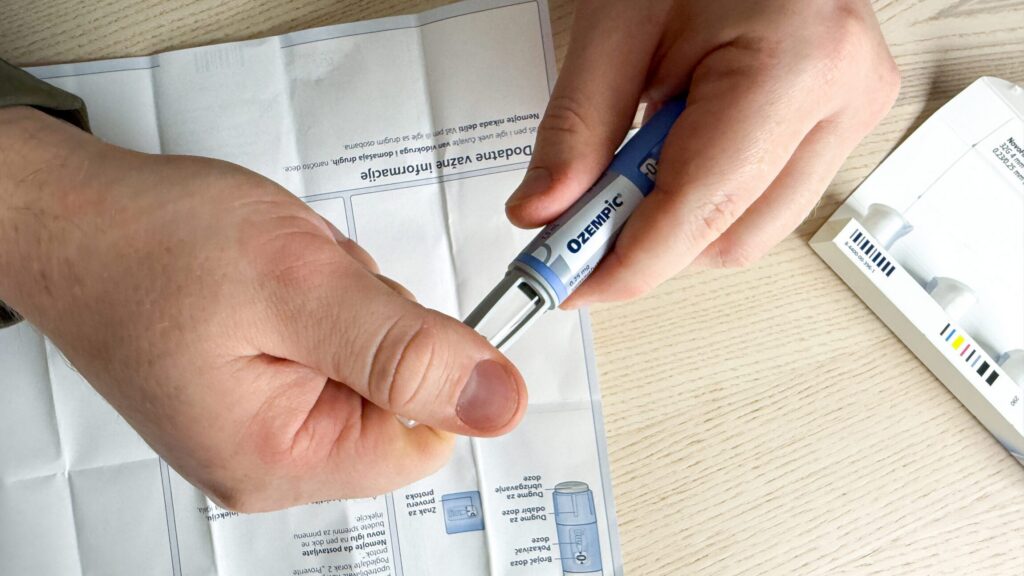
Injectable Weight Loss Medication
Injectable weight loss medications, such as semaglutide and tirzepatide, have gained widespread attention for their ability to help people lose significant amounts of weight. However, focusing solely on weight loss overlooks the broader and increasingly important role these medications play in metabolic health.
These medications belong to a class known as GLP-1 receptor agonists, with tirzepatide also activating a second hormone pathway called GIP. Together, these hormones help regulate appetite, blood sugar, insulin sensitivity, and energy balance. While originally developed to treat type 2 diabetes, clinicians quickly observed that patients experienced not only significant weight loss, but meaningful improvements in overall metabolic function.
Beyond changes on the scale, GLP-1–based therapies have been shown to improve several markers of cardiovascular and metabolic health. Research suggests additional benefits, such as better blood pressure control, healthier cholesterol profiles, improved insulin sensitivity, and reduced risk of progression to type 2 diabetes. Many patients also experience improvement in fatty liver disease, a condition closely tied to insulin resistance. Emerging evidence indicates these medications may offer kidney-protective effects and help reduce chronic, low-grade inflammation—benefits that appear to extend beyond weight loss alone. Collectively, these effects highlight that GLP-1 therapies function as metabolic treatments, not simply appetite suppressants.
Another important and often overlooked benefit involves the brain’s regulation of hunger and reward. Many patients describe a significant reduction in what is commonly referred to as “food noise”—the constant preoccupation with food, cravings, and internal negotiation around eating. From a clinical perspective, this reflects changes in neural signaling related to appetite and satiety (feeling full). By quieting these signals, patients are often able to make more consistent, health-supportive decisions without the sense of constant effort or deprivation that undermines long-term success.
These medications are most appropriately used as part of a comprehensive approach to metabolic health that includes nutrition, movement, sleep, and stress management. When used thoughtfully and under medical supervision, they can help address biological barriers that have historically made sustained weight management difficult for many individuals.
As medical understanding continues to evolve, weight management is increasingly viewed through a lens of physiology rather than willpower. Injectable GLP-1–based medications represent a significant shift in care—one that focuses on working with the body’s biology to support long-term health, not just weight loss.