New Year’s Resolutions for Lakefront Property Owners
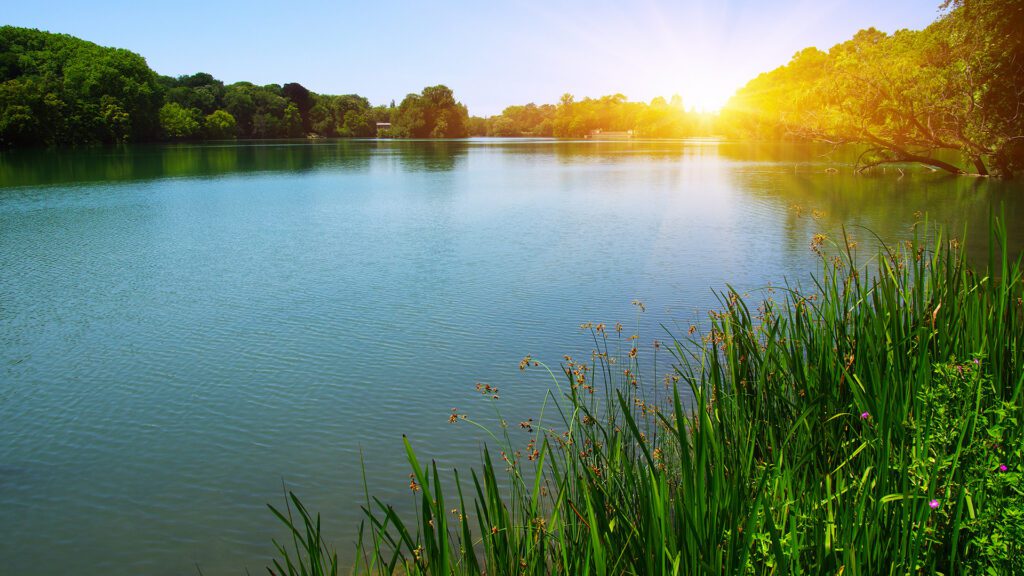
As the calendar turned, Lake George was starting to freeze right before our eyes. This is a great time to appreciate our lake and it’s the perfect moment to re-commit to our stewardship.
Lake George’s clarity, ecology, and recreation value are invaluable. Our daily choices on our property can affect its clarity. Here’s a New Year’s resolution list designed for lakefront homeowners who want to protect the Queen:
- Resolve to Let the Shoreline Be a Buffer
Restore or maintain a natural shoreline buffer along your shoreline. Native trees, shrubs, and grasses stabilize soil, filter runoff, and shade nearshore waters. Replace hard edges or mowed-to-the-water lawns with layered vegetation. Even a modest buffer reduces erosion and keeps nutrients out of the lake.
- Resolve to Keep Runoff on Your Property
Stormwater is one of the biggest pathways for pollutants to the lake. Install rain gardens, infiltration trenches, or swales to capture runoff from entering the lake. Direct roof downspouts and driveway runoff into these landscaped areas designed to soak up water rather than channel it toward the lake.
- Resolve to Rethink Your Lawn Care
Reduce the use of fertilizers and pesticides on your property. I cringe when I go in some of our customer’s garden sheds and see the shelves of chemicals.
If fertilizer is necessary, use phosphorus-free products and keep it 50-feet away from the lake. If you have someone “taking care of this”, better understand what they are using. Organic fertilizers and pesticides can be just as harmful, and in some cases more harmful than synthetic fertilizers and pesticides.
Vow to eliminate the fertilize and spraying program for your lawn. Be the change! Your lawn at the lake does not have to look like a Scotts commercial.
- Resolve to Inspect and Upgrade Septic Systems
We are in the midst of the Lake George Park Commission’s inspection program. However, it still does not hurt to schedule a professional septic inspection of your septic system. A well-functioning septic system is critical for water quality. Regular inspections, pumping every 2-3 years, and upgrading to an advanced treatment system can prevent nutrient leakage and protect your shoreline of algae.
- Resolve to Prevent Invasive Species in your Landscape
Many of our older landscapes have invasive plants. Remove the barberry and burning bushes and plant a native shrub that requires less water and healthier for our environment. Plant native trees-avoid the Norway maple and other non-native trees.
- Resolve to Manage Winter Wisely
Reduce salt and chemical use near the lake. Watch the weather forecast. Use warmer temperatures and the use of the natural sunlight to help melt the ice off the driveways and walkways. Use sand or alternative de-icers sparingly on walkways and driveways as necessary. Store snow away from the shoreline to prevent runoff from carrying pollutants directly into the lake.
- Resolve to Plan Renovations with the Lake in Mind
Work with design professionals who understand the shoreline regulations.
Whether building, remodeling, or landscaping, many projects in front of your lake house-require permitting from your town due to its proximity to the lake. Obtain the necessary permits. The permitting process takes time on our lake-so plan accordingly-hire those consultants well in advance.
A Resolution That Lasts All Year
Protecting Lake George isn’t about one grand gesture—it’s recognizing that we all have an impact. It is why each lakefront homeowner needs to be on the same page as their property manager, so that we can be a lake steward of your property, making consistent, thoughtful decisions.
We like to think of it as “fixing” one shoreline at a time. It eventually has a huge impact in your bay and the surrounding communities. This New Year, choose projects that respect the shoreline and keep the lake as clear and vibrant as the day you first fell in love with it. The payoff is a healthier lake—and being a lake steward is a legacy worth passing on to your kids and grandkids.